# Invest Wisely: Key Insights from Poor Richard's Almanack and The Way to Wealth
[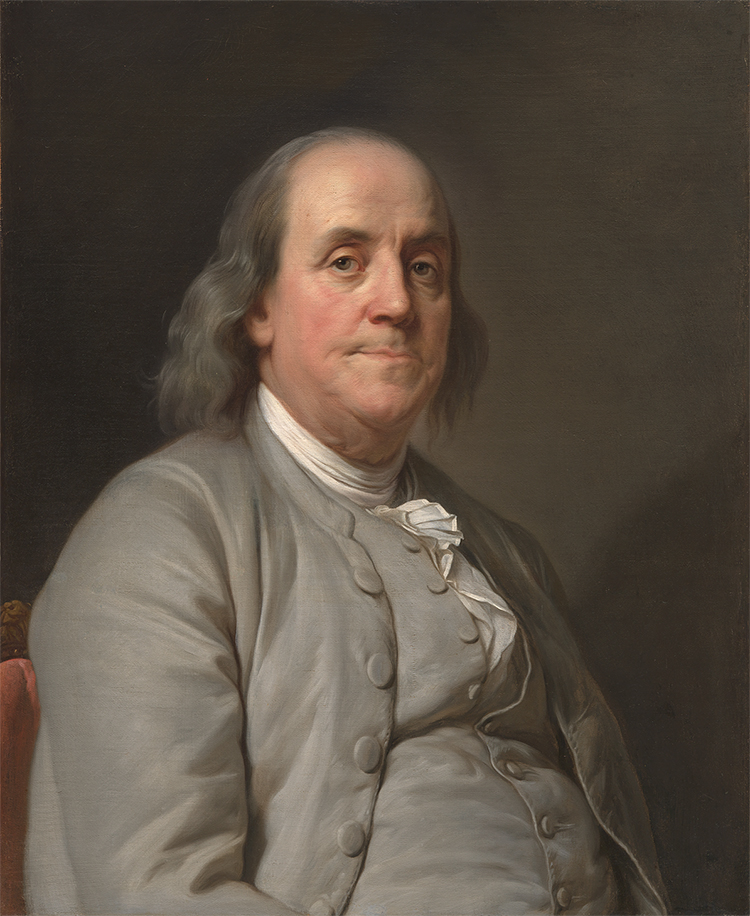](https://npg.si.edu/sites/default/files/class_ben.jpg)
*Benjamin Franklin*
## Introduction
Investing wisely is a crucial skill that can significantly impact one's financial future. The concept of investing wisely entails making informed decisions about how to allocate one's resources to generate a return over time. While investing wisely requires careful analysis and consideration of various factors, it is a skill that can be cultivated and refined over time. In Poor Richard's Almanack and The Way to Wealth, Benjamin Franklin offers timeless insights and wisdom on investing wisely, which remain relevant today.
### Core Concepts
The core concepts of investing wisely, as articulated by Franklin, include:
[](https://previews.123rf.com/images/eamesbot/eamesbot2305/eamesbot230500059/205240387-frugality-savings-for-prosperity-or-financial-success-building-wealth-or-thrifty-budgeting-or-cut.jpg)
*Frugality and Saving Concept Illustration*
- Frugality and the importance of saving before investing
- The power of compound interest
- Diversification and avoiding putting all eggs in one basket
- The dangers of speculation
- Long-term perspective and patience
These concepts are woven throughout Franklin's writings, offering a comprehensive and integrated approach to investing wisely.
### Relevance
The relevance of investing wisely cannot be overstated. In today's world, where inflation and the rising cost of living threaten to erode the purchasing power of money, investing wisely is essential for building wealth and securing a financially stable future. Moreover, with the rise of various investment options, such as stocks, bonds, real estate, and cryptocurrencies, understanding how to invest wisely has become even more critical.
## Practical Implications
To illustrate the practical implications of investing wisely, let us consider the following examples:
### Example 1: Compound Interest and Saving
Franklin once wrote, "a penny saved is a penny earned." This statement underscores the importance of frugality and saving before investing. Indeed, saving is the foundation of investing wisely. By delaying gratification and living below one's means, one can accumulate a pool of resources that can be invested to generate a return over time.
One of the most powerful concepts in investing is the power of compound interest. Compound interest refers to the process by which interest is earned not only on the initial investment but also on any interest previously earned. Over time, compound interest can result in exponential growth in the value of an investment.
[](https://www.shutterstock.com/image-vector/compound-interest-compounding-on-loan-600nw-2457932159.jpg)
*Compound Interest Illustrated*
To illustrate the power of compound interest, consider the following example:
Assume an individual saves $100 per month and invests it in an account earning 5% interest per year. After 10 years, the individual will have saved $12,000 (10 years x $100 per month) and earned $1,756.30 in interest. However, after 30 years, the individual will have saved $36,000 (30 years x $100 per month) and earned $33,293.73 in interest. Thus, over a 30-year period, the individual will have earned nearly as much in interest as the amount saved.
### Example 2: Diversification and Avoiding Speculation
Investing wisely also requires diversification and avoiding the allure of speculative investments. Diversification refers to spreading one's investments across various assets to reduce risk. Simply put, it is not prudent to put all eggs in one basket. By diversifying, investors can mitigate the risk of losing their entire investment if a particular asset declines in value.
[](https://cdn.prod.website-files.com/5ded36b5e942e74b13468d23/5f9b837d2d99b6cc9c72bb7d_00-Header%402x.png)
*Diversification in Investing*
On the other hand, speculation involves making risky investments with the hope of making a quick profit. Speculation is often driven by hype and emotion rather than fundamentals and careful analysis. As such, speculative investments are inherently unpredictable and can result in significant losses.
To illustrate the dangers of speculation, consider the example of the dot-com bubble of the late 1990s. During this period, investors poured money into internet-based companies, many of which had little to no revenue or profit. The hype surrounding these companies drove their stock prices to unprecedented highs, only for the bubble to burst in 2000, resulting in significant losses for many investors.
[](https://ewminteractive.com/wp-content/uploads/2018/08/The-Dotcom-Bubble-of-2000-2002-1.jpg)
*The Dot-Com Bubble*
## Conclusion
In conclusion, investing wisely is a crucial skill that requires careful analysis, consideration of various factors, and a long-term perspective. By embracing the core concepts of frugality, the power of compound interest, diversification, and avoiding speculation, investors can build wealth and secure a financially stable future.
To explore the topic further, college students may consider the following avenues:
- Reading books on investing, such as "The Intelligent Investor" by Benjamin Graham or "A Random Walk Down Wall Street" by Burton Malkiel
- Taking courses on investing, such as those offered by Coursera or Udemy
- Conducting research on various investment options, such as stocks, bonds, real estate, and cryptocurrencies
- Seeking the advice of financial advisors or professionals
- Participating in investment clubs or communities to share insights and learn from others.
Last updated: 2025-10-11
Related Books


Related Knowledges