### Lending with Caution: Lessons from Benjamin Franklin's The Way to Wealth
#### Introduction
[](https://npg.si.edu/sites/default/files/class_ben.jpg)
*Benjamin Franklin*
_"A penny saved is a penny earned,"_ and a dollar lent with caution is a dollar earned with minimal risk—at least that's one sage piece of advice offered by Benjamin Franklin in his ever-popular essay, The Way to Wealth. Today, we will delve deep into the knowledge point 'Lending with Caution' and explore its core concepts, practical implications, and how it has been cleverly integrated into Franklin's collection of proverbs and suggestions.
In short, 'Lending with Caution' highlights the importance of circumspection and prudence whenever an individual decides to engage in lending money. Essentially, it encourages the reader to carefully weigh the risks and potential consequences of lending before jumping into any agreement. As you read on, you will discover the relevance of this practice in the modern world and how it can contribute to financial stability and success.
[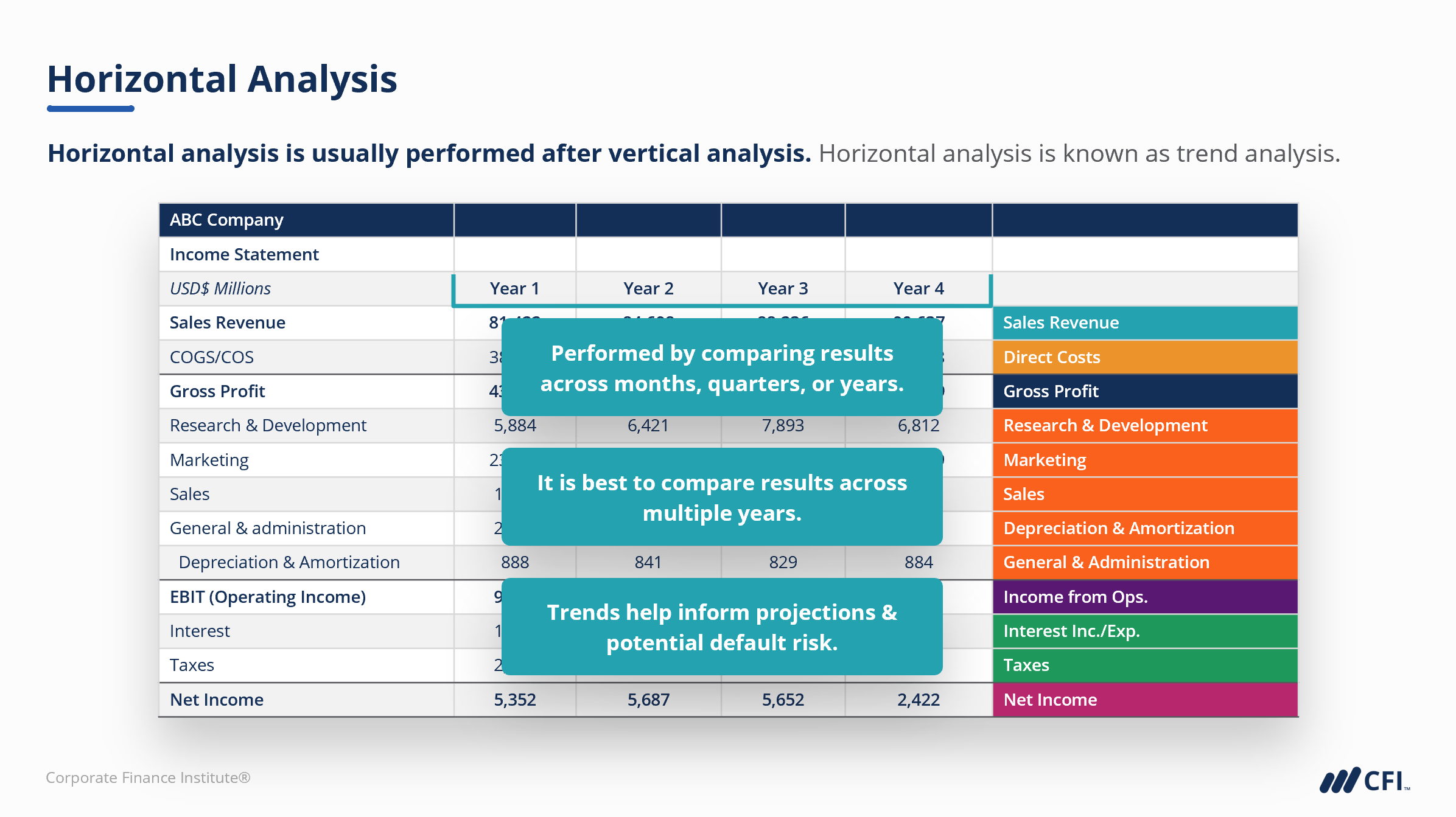](https://cdn.corporatefinanceinstitute.com/assets/1624656712190-1.png)
*Financial planning and lending*
#### Practical Implications
To fully grasp the implications of lending with caution, we will discuss two practical scenarios in which one might consider lending money, as well as the potential benefits and drawbacks.
##### Example 1: Assisting Friends and Family
At times, you may find yourself in a position to help a friend or family member financially. In these situations, it can be tempting to provide assistance, but it is necessary first to evaluate the risks and potential consequences.
Suppose your sister has just started a small business and requires a $2,000 loan to buy the latest piece of equipment that could significantly improve her output. It may be tempting to lend her the money, especially if you can afford it and genuinely believe in her business.
Let's weigh the risks and benefits:
* **Risks:** A potential default on the loan and the strain it could place on your relationship if she cannot repay the money.
* **Benefits:** The satisfaction of supporting a loved one's business and potentially receiving a return on investment.
In this case, lending with caution may involve:
1. Creating a well-defined and legally binding contract with clearly established terms, such as interest rates, repayment deadlines, and late fees.
2. Setting a realistic repayment timeline to minimize the risk of default.
3. Asking a neutral third party to oversee and mediate the financial agreement if necessary.
[](https://i.pinimg.com/736x/c7/b4/b9/c7b4b91cf5690976ff1a3e01c5d1c05c.jpg)
*Legal contract example*
##### Example 2: Investing in Real Estate
When considering lending money towards real estate projects, either through a mortgage or a private loan, you must thoroughly examine the associated risks and benefits. Interest rates, occupancy rate, location, the condition of the property, and the expertise of the partners involved are some of the factors to be considered during risk analysis.
For instance, if you are a seasoned real estate investor with a solid understanding of market trends and capable of accurately assessing property value, you may decide to invest in a promising but underdeveloped area. However, it's crucial to recognize that even seemingly sound ventures may not yield the expected ROI due to hidden issues, such as sudden zoning changes or unstable socioeconomic factors.
By lending with caution, you might:
1. Diversify your real estate portfolio by investing in multiple projects or properties to minimize the risk of loss due to market volatility.
2. Conduct a thorough due diligence on every potential asset and carefully examine the track records of all parties involved.
3. Assign a risk threshold and seek solid legal advice before entering into any real estate lending agreement.
4. Inject smaller amounts initially, allowing the potential for a more significant investment following a successful test phase.
[](https://www.investopedia.com/thmb/MBWA-PxPX951Pd8WETL7WSN9Kvc=/1500x0/filters:no_upscale%28%29:max_bytes%28150000%29:strip_icc%28%29/most-important-factors-investing-real-estate.asp-ADD-FINALjpg-32950329a30d4500b6d7e0fd0ba95189.jpg)
*Real estate investment*
#### Conclusion: Key Insights and Further Exploration
Throughout this exposition, we've explored the importance of lending with caution and its practical implications in scenarios involving family and real estate investments. In essence, Benjamin Franklin's advice echoes the significance of being aware of the risks, performing thorough due diligence, and safeguarding the interests of all parties involved when deciding to engage in financial assistance or lending agreements.
However, this topic falls just at the tip of the iceberg when it comes to exploring wealth creation and accumulation in a prudent and sustainable manner. Delving deeper into aspects such as financial diversification, passive income, the value of compound interest, and the impact of living within one's means can all contribute to greater financial stability and success.
To further explore these ideas, consider the following:
* Read further into Benjamin Franklin's writings and personal stories to identify additional pieces of financial wisdom.
* Consult academic resources dedicated to personal finance, wealth management, and entrepreneurship.
* Engage in open discussions on the topic with peers, family, or professionals in the finance and business sectors to broaden your perspective.
Last updated: 2024-05-29
Related Books

Related Knowledges