# Waste Not, Want Not: The Enduring Wisdom of Benjamin Franklin
[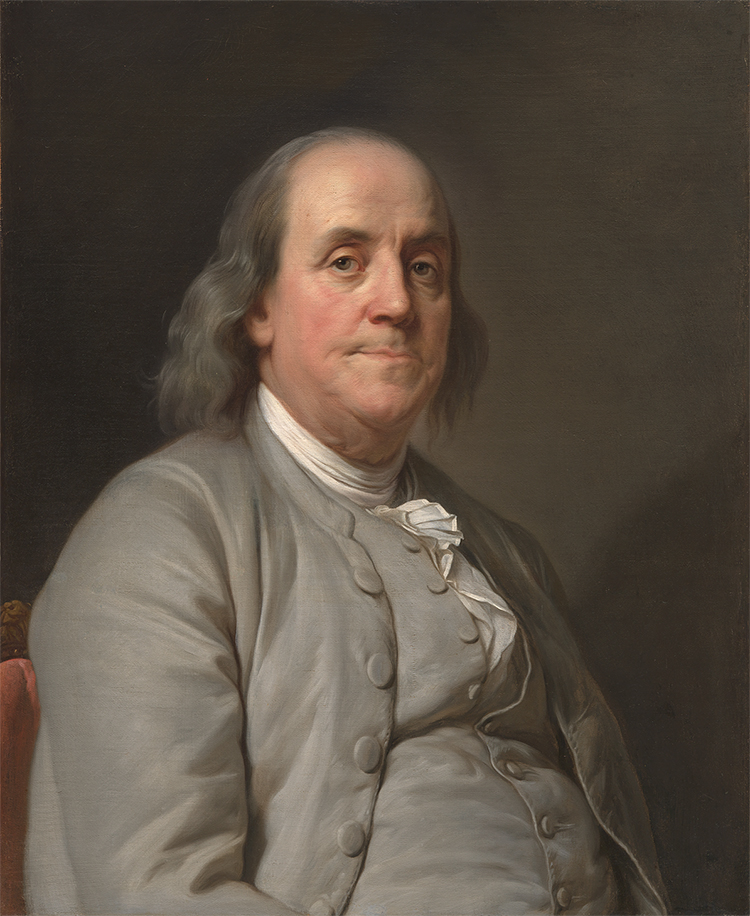](https://npg.si.edu/sites/default/files/class_ben.jpg)
*Benjamin Franklin's portrait*
_"A penny saved is a penny earned,"_ a well-known aphorism attributed to Benjamin Franklin, encapsulates the core concept of 'Waste Not, Want Not.' This principle emphasizes the importance of frugality, resourcefulness, and efficiency in managing one's resources. In Franklin's book, _The Way to Wealth_, these ideas are woven throughout the text, offering timeless insights for college students and readers of all ages.
[](https://m.media-amazon.com/images/I/71yVM4Bc45L._AC_UF1000,1000_QL80_.jpg)
*The Way to Wealth cover*
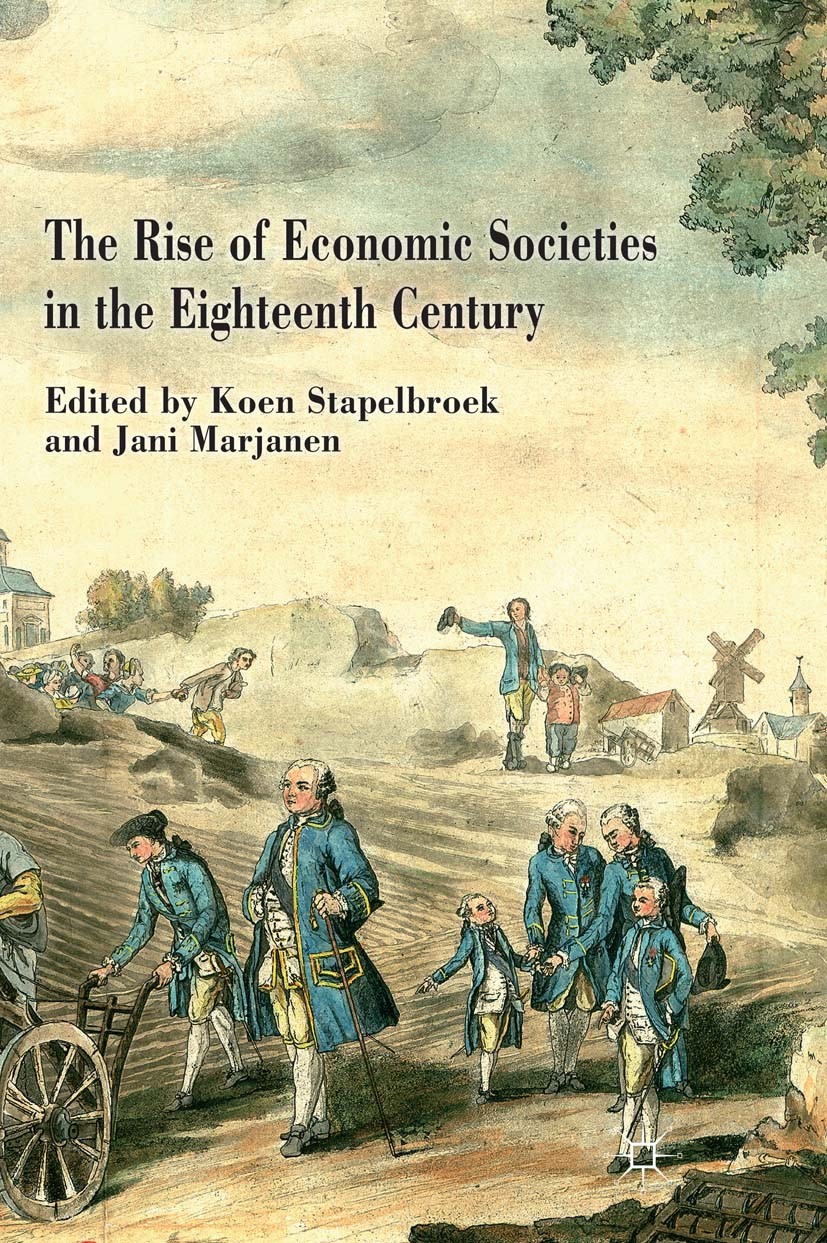
To fully appreciate the significance of 'Waste Not, Want Not,' consider the historical context in which Franklin lived. The eighteenth century was marked by economic uncertainty, social upheaval, and a growing recognition of the complex relationship between labor, capital, and prosperity. Franklin, a man of prolific intellect and curiosity, encapsulated these ideas in the character of Poor Richard, a humble yet shrewd spokesperson for prudent financial stewardship.
[](https://media.springernature.com/full/springer-static/cover-hires/book/978-1-137-26525-8)
*Eighteenth-century economic context*
## Practical Implications: From Early America to Modern Times
Throughout _The Way to Wealth_, Poor Richard imparts a wealth of practical wisdom, much of which remains relevant today. Here, we will explore several examples that illustrate the timeless nature of Franklin's insights.
### Example 1: Energy Conservation and Sustainability
Poor Richard advises, "A candle is not worth the risk of being burnt, and yet a man will sometimes lose a fortune by the conduct of that candle." This quote, while seemingly simple, offers profound implications for energy conservation and sustainability. The 'candle' in this instance may be interpreted as a metaphor for any resource that, if used carelessly or without foresight, can lead to waste and unnecessary loss.
[](https://c8.alamy.com/comp/2WHGGWN/group-of-white-candles-one-is-burning-overhead-in-a-warm-cave-surreal-still-life-as-energy-saving-concept-dont-waste-the-heat-outside-light-gray-2WHGGWN.jpg)
*Energy conservation metaphor*
In contemporary society, energy waste is a pressing concern, with significant consequences for both the environment and the economy. Colleges and universities, as stewards of knowledge and innovation, have a critical role to play in promoting energy efficiency and sustainable practices. By adopting renewable energy sources, implementing energy-saving measures, and encouraging individual responsibility, educational institutions can embody the principle of 'Waste Not, Want Not.'
### Example 2: Reducing Food Waste and Hunger
Another noteworthy passage from _The Way to Wealth_ reads, "There are no gains without pains." This quote, when applied to the issue of food waste and hunger, highlights the importance of addressing inefficiencies in the global food system. According to the Food and Agriculture Organization of the United Nations, one-third of all food produced for human consumption—approximately 1.3 billion tons—is lost or wasted each year. At the same time, nearly 690 million people worldwide suffer from hunger and malnutrition.
[](https://pantryparatus.com/wp-content/uploads/2017/01/Food-WasteWorld-Hunger-1.jpg)
*Global food waste and hunger*
Colleges and universities can contribute to reducing food waste and addressing hunger by implementing various strategies. These include promoting awareness of food waste and its consequences, adopting more sustainable food production and consumption practices, and collaborating with local organizations to redistribute surplus food. By doing so, institutions of higher learning can foster a culture of mindfulness, efficiency, and stewardship.
## Further Exploration and Key Insights
'Waste Not, Want Not,' as espoused by Benjamin Franklin, is both a practical guide for financial success and a broader philosophy for living. The core concepts of frugality, resourcefulness, and efficiency are as relevant today as they were in Franklin's time. Here, we summarize key insights and suggest avenues for further exploration of this enduring wisdom.
* Embrace frugality as a means of achieving financial stability and independence.
* Recognize the value of resourcefulness and efficiency in managing personal and institutional resources.
* Cultivate mindfulness and stewardship as a way of life.
* Engage in interdisciplinary research and learning to develop innovative solutions for reducing waste and promoting sustainability.
* Collaborate with local and global communities to address shared challenges related to waste, energy consumption, food security, and environmental stewardship.
The teachings of Benjamin Franklin, preserved in the timeless wisdom of _The Way to Wealth_, offer a wealth of insights for college students and learners of all ages. By studying and applying these principles, individuals can not only enrich their own lives but also contribute to the betterment of society. In a world increasingly shaped by complex challenges and interconnected systems, the lessons of 'Waste Not, Want Not' remain as vital and transformative as ever.
Last updated: 2024-05-29
Related Books

Related Knowledges