# Gain More, Cost Less: The Art of Frugal Living from Benjamin Franklin's The Way to Wealth
## Introduction
[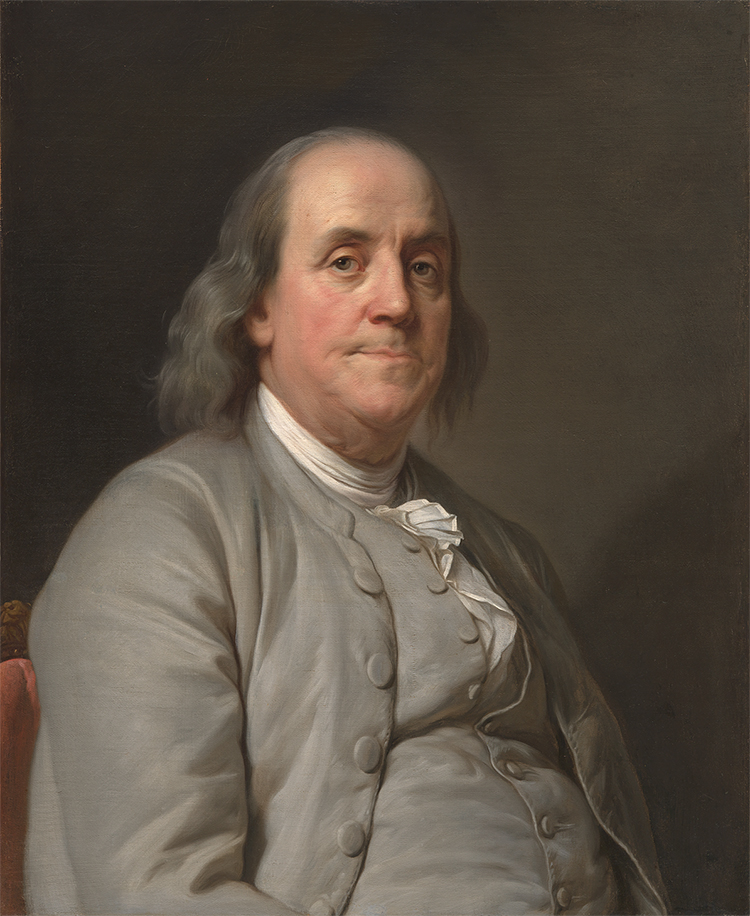](https://npg.si.edu/sites/default/files/class_ben.jpg)
*Benjamin Franklin's portrait*
Benjamin Franklin's _The Way to Wealth_ is a timeless classic that offers invaluable insights into the principles of frugality, industry, and prudence. The collection of aphorisms and maxims, initially published as Poor Richard's Almanack, encapsulates the wisdom of Franklin's own life experiences and those of other successful individuals from his time. One of the most enduring themes in the book is the idea of 'Gain More, Cost Less,' which urges readers to adopt frugal living practices to accumulate wealth and lead a fulfilling life.
At its core, 'Gain More, Cost Less' is about being mindful of one's spending habits and making deliberate choices to ensure that every penny counts. It is a call to embrace a lifestyle of frugality, characterized by avoiding unnecessary expenditures and focusing on essential needs. This concept remains highly relevant today, especially for college students who stand to benefit immensely from adopting these time-tested principles in managing their finances.
[](https://media.istockphoto.com/id/1482665889/vector/landing-page-design-template-with-spend-mindfully-concept-and-young-woman-holding-piggybank.jpg?s=612x612&w=0&k=20&c=jdAete3YRn0bJrP6I0vo2_z3ZGAfH59vrArLTJG9ZVI=)
*Mindful spending illustration*
In this educational content, we will delve deep into the idea of 'Gain More, Cost Less' and explore its various dimensions. We will discuss practical examples and applications to illustrate its significance in contemporary life.
## Practical Implications of 'Gain More, Cost Less'
### 1. Conscious Consumption
One of the central tenets of 'Gain More, Cost Less' is the idea of conscious consumption. Franklin urged his readers to be mindful of their purchasing decisions, reminding them that "a penny saved is a penny earned." By embracing a lifestyle of deliberate and thoughtful spending, individuals can minimize wasteful expenditures and channel their resources towards productive uses.
Consider, for example, a college student deciding between buying a brand-new textbook or renting a used copy. By opting for the latter, the student can save a significant amount of money while still meeting their academic needs. Over time, such small but deliberate decisions can add up, enabling the student to build a healthy financial cushion.
Another application of conscious consumption can be seen in the choice between eating out frequently and preparing home-cooked meals. While the convenience of ready-made meals may be tempting, the long-term financial benefits of cooking at home cannot be overstated. By learning to cook simple, nutritious meals, college students can save a substantial amount of money while also cultivating a valuable life skill.
[](https://www.asustainablelife.co.uk/wp-content/uploads/2019/10/Conscious-consumption-1.png)
*Conscious consumption example*
### 2. Prioritizing Needs Over Wants
Franklin's wisdom in 'Gain More, Cost Less' emphasizes the importance of distinguishing between wants and needs. In today's consumer-driven society, it is easy to succumb to the allure of material possessions and instant gratification, often leading to significant financial strain. By prioritizing needs over wants, individuals can develop a healthier relationship with money and set themselves up for long-term financial success.
Consider the case of a college student contemplating the purchase of a high-end smartphone that costs several hundred dollars more than a perfectly functional, basic model. By choosing the less expensive option, the student can save a considerable sum of money that can be allocated towards other pressing needs, such as tuition fees, textbooks, or housing expenses. In this scenario, the student's decision to prioritize needs over wants demonstrates the practical application of Franklin's principle of 'Gain More, Cost Less.'
Another example can be seen in the choice between investing in a quality, long-lasting backpack versus purchasing multiple, inexpensive bags that may need to be replaced frequently. While the former option may require a more substantial initial investment, the long-term savings and practical benefits make it a financially prudent decision.
[](https://as2.ftcdn.net/jpg/02/59/99/11/1000_F_259991131_VmHUBUnqL9261Gan2B8qUqFOrYW5656S.jpg)
*Prioritizing needs over wants*
### 3. Embracing Frugal Living
'Gain More, Cost Less' advocates for embracing a lifestyle of frugality, characterized by making the most of one's resources and avoiding waste. Franklin's wisdom encourages individuals to adopt simple living practices that can lead to significant financial rewards over time.
One practical application of this principle can be seen in the realm of energy conservation. College students can save a considerable amount of money by adopting energy-efficient habits, such as turning off lights and electronic devices when not in use, unplugging chargers, and using energy-saving appliances. These small changes can add up over time, resulting in substantial savings on utility bills.
Another example of embracing frugal living can be found in the realm of transportation. Instead of relying on costly ride-sharing services or maintaining a personal vehicle, college students can explore alternative, more economical modes of transportation, such as cycling, walking, or using public transit. These choices not only save money but also promote a healthier, more environmentally friendly lifestyle.
[](https://www.builditsolar.com/Projects/FrugalTop.jpg)
*Frugal living and energy conservation*
## Conclusion
Benjamin Franklin's 'Gain More, Cost Less' principle offers a wealth of insights into the art of frugal living that remain highly relevant in today's consumer-driven society. By embracing a lifestyle of deliberate consumption, prioritizing needs over wants, and adopting simple living practices, individuals can make the most of their resources and set themselves up for long-term financial success.
To further explore the topic of 'Gain More, Cost Less,' interested readers can delve deeper into Franklin's work and investigate other classic texts on frugality and financial management, such as:
* _The Richest Man in Babylon_ by George S. Clason
* _Your Money or Your Life_ by Vicki Robin and Joe Dominguez
* _Thinking, Fast and Slow_ by Daniel Kahneman
By engaging with these and other resources, college students can develop a comprehensive understanding of the principles of frugality and harness their power to build a secure financial future.
Last updated: 2025-05-07
Related Books

Related Knowledges