# Mortgages: A Barrier to Wealth Creation
[](https://image.slidesharecdn.com/thewaytowealtharoundtheworldbenjaminfranklinandthe-221031180143-d1e5f618/85/The-Way-to-Wealth-around-the-World-BenjaminFranklin-and-the-docx-1-320.jpg)
*Illustration of Benjamin Franklin's Advice on Wealth Creation*
In *The Way to Wealth*, Benjamin Franklin offers timeless financial advice through the voice of his beloved character, Father Abraham. Among the many pearls of wisdom found in this classic text, one recurring theme is the drawback of mortgages. In this discussion, we will delve into the core concepts of Franklin's views on mortgages, explore real-life applications, and consider further exploration of the topic.
## Introduction
Franklin's writings reveal a deep understanding of the challenges that mortgages pose to individuals seeking financial stability and independence. Through Father Abraham, Franklin cautions against the perils of indebtedness, urging readers to live within their means and prioritize savings over unnecessary spending. In Franklin's view, mortgages often serve as an obstacle to wealth creation, primarily due to the interest payments and the psychological burden they impose on homeowners.
[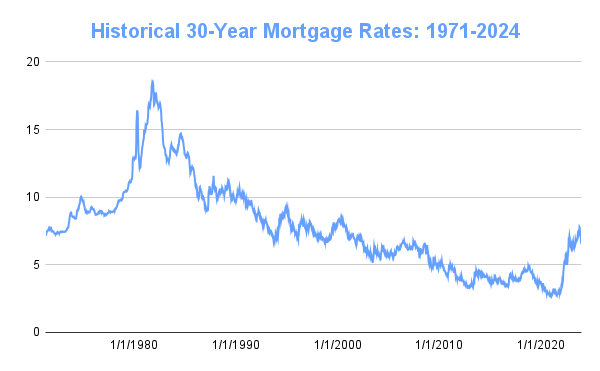](https://assets.themortgagereports.com/wp-content/uploads/2023/12/Historical-30-Year-Mortgage-Rates_-1971-2024.png)
*Chart Illustrating the Impact of Mortgage Interest Payments*
## Core Concepts and Relevance
Franklin's warnings about mortgages revolve around two main ideas:
1. **Interest Payments:** Mortgage payments consist of both principal reduction and interest charges. A significant portion of early mortgage payments is allocated towards interest, meaning that homeowners have limited equity in their property despite consistent payments. This reality can hinder wealth creation, as resources are being directed towards interest payments instead of income-generating assets.
2. **Psychological Burden:** Mortgages can impose a psychological burden on homeowners, limiting their financial flexibility and independence. This burden can manifest in various ways, including reduced savings, limited investment opportunities, and restricted emergency funds. In essence, mortgages can create a sense of financial captivity, hindering an individual's ability to accumulate wealth.
## Examples and Applications
To illustrate Franklin's concepts, consider the following examples:
**Example 1: Interest Payments**
Suppose a homeowner purchases a $300,000 home with a 20% down payment ($60,000) and secures a 30-year mortgage with a 4% interest rate. Over the life of the loan, the homeowner will pay approximately $215,600 in interest, resulting in a total repayment of over $515,000. This example highlights the substantial interest payments associated with mortgages and the potential impact on wealth creation.
**Example 2: Psychological Burden**
[](https://i.pinimg.com/736x/22/c1/60/22c1607ef5f227e8bdc73a5a3116f121.jpg)
*Infographic on the Psychological Burden of Mortgages*
Assume a young couple acquires a $400,000 home with a 15-year mortgage at a 3.5% interest rate. Despite having a combined income of $150,000, the couple's mortgage payments consume a significant portion of their income. Consequently, they are unable to contribute meaningfully to their retirement accounts, invest in income-generating assets, or maintain an adequate emergency fund. This scenario demonstrates the psychological burden of mortgages on financial flexibility and wealth accumulation.
## Further Exploration
To deepen your understanding of Franklin's perspectives on mortgages, consider the following avenues for further exploration:
1. **Historical Context:** Research the social, economic, and political factors that influenced Franklin's views on mortgages and wealth creation. For instance, examine the housing market and lending practices during Franklin's lifetime and compare them with current practices.
2. **Contrasting Viewpoints:** Investigate the arguments for and against mortgages from various financial perspectives. For example, compare Franklin's views on mortgages with more modern financial philosophies, such as Dave Ramsey's "Baby Steps" or Robert Kiyosaki's "Rich Dad Poor Dad" principles.
3. **Alternatives to Traditional Mortgages:** Examine alternative financing options for home purchases, such as rent-to-own agreements, lease options, or seller financing. Evaluate the potential advantages and disadvantages of these methods in relation to Franklin's perspectives on wealth creation and financial independence.
[](https://m.media-amazon.com/images/I/71yVM4Bc45L._AC_UF1000,1000_QL80_.jpg)
*Cover of Benjamin Franklin's 'The Way to Wealth'*
## Conclusion
Through the teachings of Father Abraham in *The Way to Wealth*, Benjamin Franklin offers a powerful critique of mortgages, highlighting their potential to hinder wealth creation and financial independence. By analyzing Franklin's core concepts, reviewing real-life applications, and considering further exploration of the topic, this discussion seeks to provide college students with a comprehensive understanding of the drawbacks of mortgages and their impact on individual financial well-being.
Last updated: 2024-05-29
Related Books

Related Knowledges