### Compound Interest Key: Unlocking Wealth Creation in Benjamin Franklin's The Way to Wealth
**Introduction**
Compound interest is a fundamental concept in finance and wealth creation. It refers to the interest earned on both the initial principal and the accumulated interest over time. In Benjamin Franklin's classic work, _The Way to Wealth_, the idea of compound interest is presented as a powerful tool for building wealth and achieving financial stability.
**Understanding Compound Interest**
Compound interest is the process of generating earnings on an asset's reinvested earnings. To illustrate, consider an initial deposit of $1,000 at an annual interest rate of 5%. In the first year, the investor earns $50 in interest (1,000 x 0.05). In the second year, the interest is calculated based on the new balance of $1,050, resulting in $52.50 in interest (1,050 x 0.05). This process continues, with the interest earned each year calculated based on the previous year's balance, leading to exponential growth over time.
[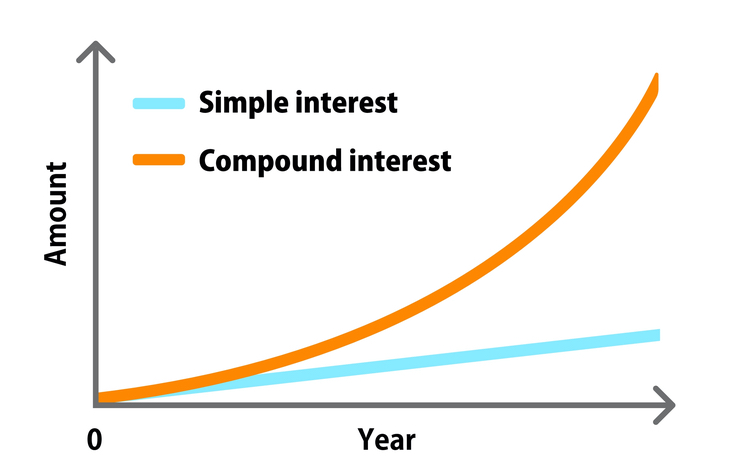](https://miro.medium.com/v2/resize:fit:1358/0*K2oKfwJ_gUGWeXaX)
*Compound Interest Growth Illustration*
**Relevance of Compound Interest**
Understanding and harnessing the power of compound interest is crucial for college students, as it can significantly impact their long-term financial well-being. By investing early and consistently, students can take advantage of the compounding effect and build a solid financial foundation for their future.
**Applications and Examples**
To further understand the practical implications of compound interest, let's consider a few examples:
_Example 1: Early Investment_
Suppose a college student starts investing $200 per month at an annual interest rate of 7% starting at age 22. By the time they reach age 65, their total investment would amount to approximately $565,000, with a total interest earned of over $430,000. This example demonstrates the importance of starting early and taking advantage of the compounding effect over an extended period.
[](https://static.fmgsuite.com/media/images/fea63646-830f-4f08-abfc-4c3f688f7ce0.png)
*Example of Early Investment Growth*
_Example 2: Consistent Savings_
Consider another college student who saves $500 per month at an annual interest rate of 6% starting at age 30. By the time they reach age 65, their total savings would amount to approximately $1,250,000, with a total interest earned of over $750,000. This example highlights the significance of consistent savings and the power of compound interest in growing wealth over time.
[](https://mahopacmoney.files.wordpress.com/2019/04/achievement-bar-business-chart-40140.jpeg?w=740)
*Example of Consistent Savings Growth*
**Strategies for Leveraging Compound Interest**
To maximize the benefits of compound interest, consider the following strategies:
1. _Start Early_: The earlier one starts investing, the more time their money has to grow.
2. _Invest Consistently_: Regular, consistent investments can significantly increase the overall return.
3. _Choose the Right Investment Vehicles_: Selecting investments with higher interest rates or returns can accelerate wealth accumulation.
4. _Reinvest Earnings_: Reinvesting dividends or interest can further enhance the compounding effect.
**Conclusion**
Compound interest is a powerful concept that can significantly impact an individual's financial well-being. By understanding its core concepts and applying strategies for leveraging its benefits, college students can set themselves up for long-term financial success. Further exploration of the topic may include studying various investment options, analyzing historical returns, and evaluating the impact of different interest rates on wealth accumulation.
Last updated: 2024-03-25
Related Books

Related Knowledges