# Renouncing Idleness: The Path to Wealth and Success
In his extensive works, Benjamin Franklin, one of the Founding Fathers of the United States, shared a wealth of knowledge and wisdom. Among his most famous works, *The Way to Wealth* stands out as a collection of maxims, principles, and proverbs that Franklin used to instruct and guide people in achieving success. A central theme that resonates throughout the text is the importance of renouncing idleness in favor of diligent work and self-improvement.
[](https://npg.si.edu/sites/default/files/class_ben.jpg)
*Benjamin Franklin, one of the Founding Fathers of the United States.*
## Introduction to Renouncing Idleness
Franklin's concept of renouncing idleness revolves around the idea that individuals must dedicate themselves to purposeful activities and consistently strive for self-improvement. He believed that idleness often leads to negative consequences, such as wasted time, financial struggles, diminished productivity, and an unfulfilled life. Furthermore, renouncing idleness implies embracing diligence and hard work, qualities that Franklin considered essential for attaining wealth and success.
### The Relevance of Renouncing Idleness Today
In today's fast-paced world, the importance of renouncing idleness remains as relevant as ever. College students and young professionals can significantly benefit from embracing this principle as it helps them develop essential skills, build resilience, increase productivity, and foster a sense of purpose. By renouncing idleness and committing to constant endeavor and growth, individuals can create a more fulfilling and successful life.
## Practical Implications: Examples and Applications
### Example 1: Time Management and Goal-setting
Efficient time management and goal-setting are crucial components of renouncing idleness and achieving success. By prioritizing tasks, allocating time wisely, and setting measurable objectives, individuals can minimize wasted time and maximize productivity.
[](https://venngage-wordpress.s3.amazonaws.com/uploads/2024/01/Blue-And-Yellow-Minimalist-Tips-Management-Time-Infographic-Poster.png)
*Overview of time management and goal-setting principles.*
Consider a college student aiming to excel in their studies while maintaining a healthy work-life balance. By adopting Franklin's principle, the student can plan their day, week, or even semester using a detailed schedule or planner. Allocating specific time slots for attending classes, studying, working on assignments, and engaging in extracurricular activities can ensure that the student makes the most of their time. Concurrently, setting SMART (Specific, Measurable, Achievable, Relevant, Time-bound) goals can help the student measure progress and maintain motivation.
### Example 2: Continuous Learning and Personal Development
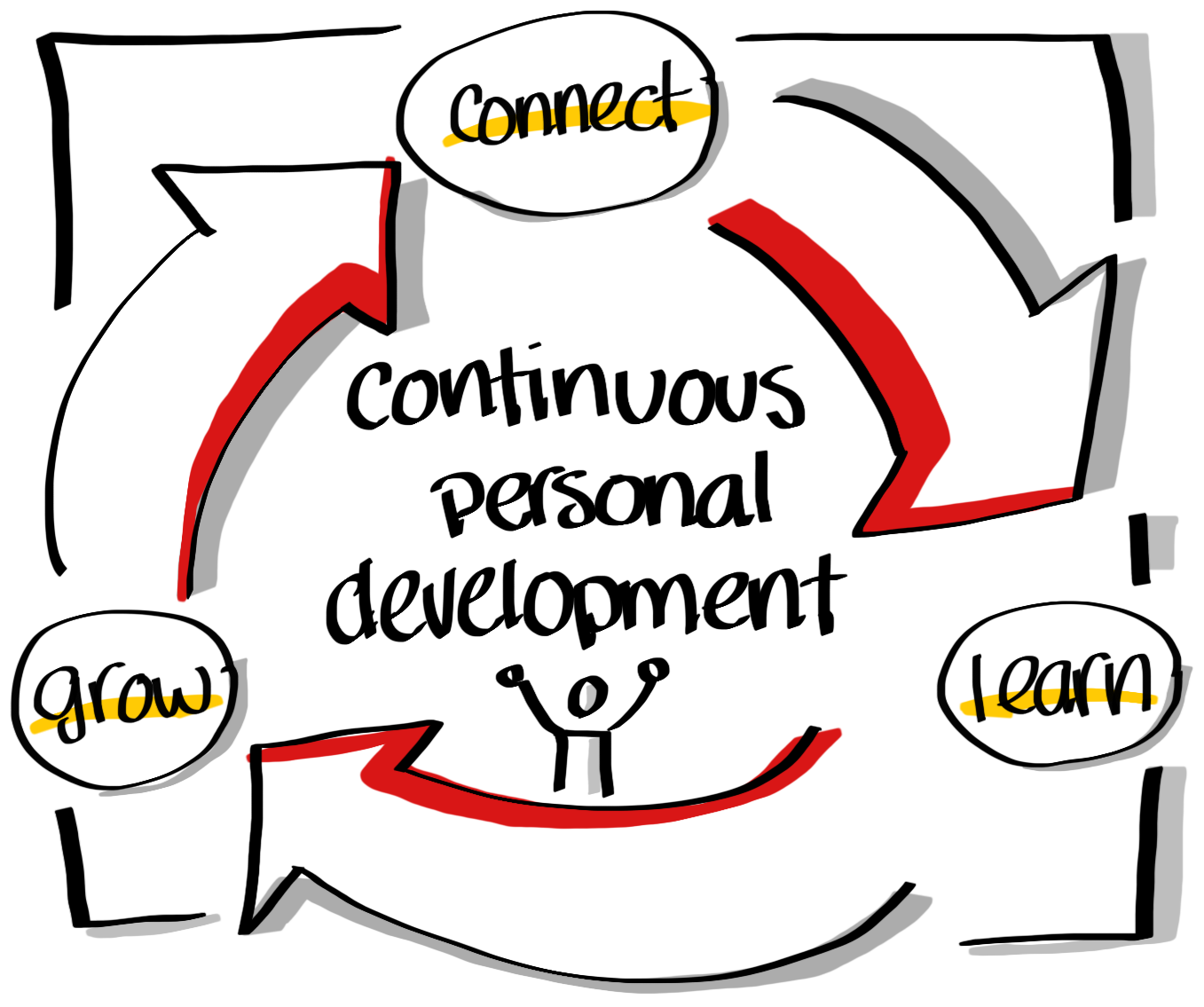
Franklin's emphasis on renouncing idleness extends beyond mere productivity and time management. He also encourages continuous learning and personal development as essential aspects of leading a successful and fulfilling life.
An application of this concept can be seen among successful entrepreneurs and professionals. Many of them dedicate a significant portion of their time to expanding their knowledge on various subjects, refining their skills, and exploring new opportunities. For instance, they may attend industry conferences, engage in workshops or online courses, read books and articles, or collaborate with mentors and peers. By constantly challenging themselves and broadening their horizons, these individuals not only enhance their professional competencies but also foster a growth mindset that enables them to adapt and thrive in a rapidly changing world.
[](https://blog.crisp.se/wp-content/uploads/2018/01/continuouspersonaldevelopment.png)
*Continuous learning and personal development in action.*
## Conclusion: Key Insights and Further Exploration
Renouncing idleness, as advocated by Benjamin Franklin, is a powerful principle that can help individuals achieve success and fulfillment. By embracing diligence, time management, goal-setting, and continuous learning, they can maximize productivity, build resilience, and foster a sense of purpose.
For college students and young professionals, the concept of renouncing idleness presents a valuable framework for navigating their academic and professional journeys. As they delve deeper into this topic, they may explore additional dimensions, such as:
1. The role of work-life balance and self-care in maintaining productivity and avoiding burnout.
2. Strategies for overcoming procrastination and staying motivated in the face of challenges and setbacks.
3. The influence of social and cultural factors on individual attitudes towards idleness, diligence, and success.
By investigating these aspects and applying the insights gained from the exploration of renouncing idleness, students and professionals can develop a more comprehensive understanding of the principle and better integrate it into their lives, thus paving the way for wealth, success, and fulfillment.
Last updated: 2024-05-30
Related Books

Related Knowledges