# Increase Your Capital: Practical Lessons from Benjamin Franklin's The Way to Wealth
[](https://npg.si.edu/sites/default/files/class_ben.jpg)
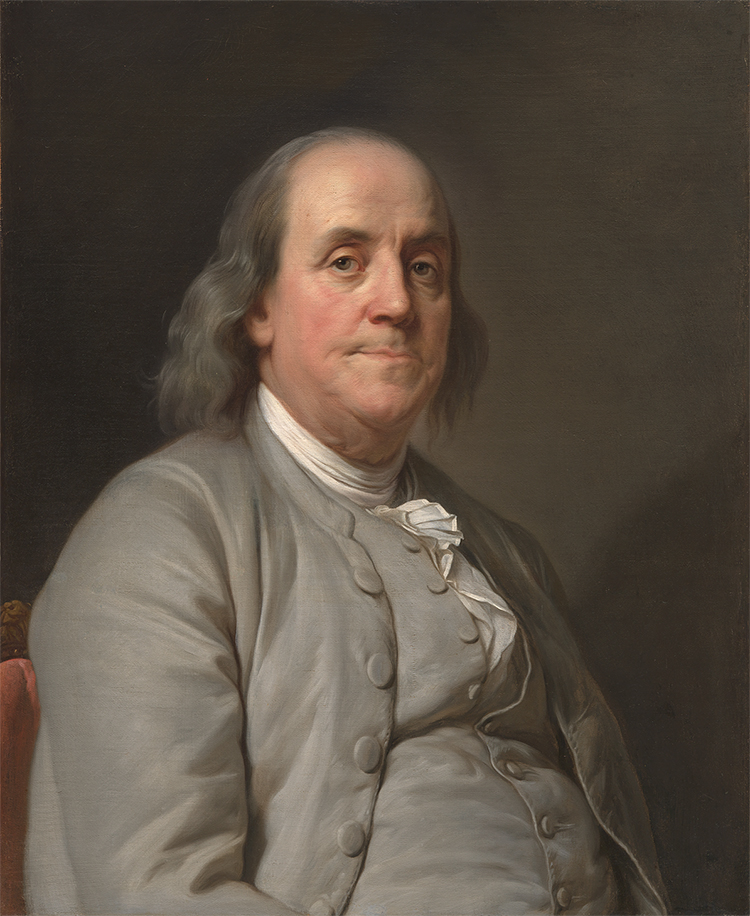
*Portrait of Benjamin Franklin*
Benjamin Franklin, one of the Founding Fathers of the United States, was not only a statesman and inventor but also a prolific writer. His writings encompass a wide range of subjects, from philosophy and science to practical advice on daily life. One of his most famous works is "The Way to Wealth," a collection of maxims and aphorisms that offer timeless wisdom on money management and financial success. In this article, we will focus on one core concept from "The Way to Wealth": increasing your capital.
## Introduction
Increasing your capital is a fundamental principle of financial success. It means to grow your wealth by saving, investing, and reinvesting your money wisely. This concept is closely related to other key ideas in "The Way to Wealth," such as frugality, industry, and prudence. Franklin believed that by following these principles, anyone could accumulate wealth and achieve financial independence.
[](https://static.vecteezy.com/system/resources/previews/026/728/368/original/financial-success-investment-freedom-concept-businessman-increasing-capital-and-profit-by-managing-finance-well-or-saving-coins-flat-illustration-on-a-white-background-vector.jpg)
*The concept of increasing capital*
The relevance of increasing your capital today cannot be overstated. In a world of constant economic uncertainty and rising costs of living, building a solid financial foundation has become more critical than ever. This article will explore some practical examples and applications of Franklin's teachings on increasing your capital, with a focus on their relevance for college students.
## Practical Examples and Applications
### 1. Saving and Budgeting
One of the most straightforward ways to increase your capital is to save and budget wisely. Franklin's maxims emphasize the importance of frugality and the need to avoid unnecessary expenses. He famously wrote, "A penny saved is a penny earned," highlighting the value of saving even small amounts of money.
[](https://img.graphicsurf.com/2020/11/company-budget-planning-vector-free-illustration1.jpg)
*Budget planning illustration*
For college students, this principle can be applied by developing a budget and sticking to it. This can involve identifying necessary expenses (such as tuition, housing, and textbooks) and optional expenses (such as entertainment, dining out, and travel). By prioritizing necessary expenses and limiting optional expenses, students can save a significant amount of money over time.
Here's an example:
Suppose a college student allocates $200 per month for entertainment and dining out. By cutting back on these expenses and instead setting aside $100 per month for savings, the student can save $1,200 over the course of a year. This may not seem like a significant sum, but it can serve as a solid starting point for building a nest egg.
### 2. Investing and Compound Interest
Another essential aspect of increasing your capital is investing wisely. In "The Way to Wealth," Franklin highlights the power of compound interest and the need to invest in assets that generate passive income. He notes, "Money can beget money, and its offspring can beget more."
[](https://c8.alamy.com/comp/2ERY6DK/comparison-graph-illustration-of-compound-interest-and-simple-interest-2ERY6DK.jpg)
*Compound interest graph*
This concept is particularly relevant for college students, who have ample time to benefit from the power of compound interest. By investing early and consistently, students can build a substantial financial cushion by the time they enter the workforce.
Here's an example:
Suppose a college student invests $100 per month in a mutual fund that generates an average annual return of 8%. Over a 40-year period, this investment would grow to over $300,000, thanks to the power of compound interest. This illustrates the importance of investing early and often, even if the amounts invested are relatively small.
### 3. Multiplying Your Talents
Finally, Franklin's teachings on increasing your capital extend beyond the realm of money management. In "The Way to Wealth," he emphasizes the importance of developing skills and talents, noting that "he that lives upon hope will die fasting." This principle can be applied in various contexts, from academic pursuits to career development.
[](https://media.licdn.com/dms/image/D5612AQHMnqnq37qn6w/article-cover_image-shrink_720_1280/0/1682584947581?e=2147483647&v=beta&t=ImwB-ywSw0de3gC0Qg6SLGeF-HwnCCa1qkt5ct0BqzM)
*Professional development and networking*
For college students, this concept can be applied by seeking out internships, networking opportunities, and other experiences that can help build skills and expand their professional network. By investing in their personal and professional growth, students can increase their earning potential and create new opportunities for financial success.
Here's an example:
Suppose a college student secures an internship at a reputable company in their field of interest. By demonstrating their skills and work ethic, the student is offered a full-time position upon graduation, with a starting salary of $60,000—$10,000 more than the average starting salary for their field. By capitalizing on this opportunity, the student has effectively increased their earning potential and, in turn, their ability to build wealth over time.
## Conclusion
Increasing your capital is a core concept in Benjamin Franklin's "The Way to Wealth," and one that remains relevant for college students today. By applying Franklin's teachings on frugality, budgeting, investing, and personal growth, students can build a solid financial foundation and set themselves on the path to financial independence.
To further explore this topic, college students may consider the following resources:
* Personal finance books and blogs that offer practical advice on saving, investing, and budgeting.
* Professional organizations and networking events that can help build skills and expand professional networks.
* Financial planning services that can help develop a customized plan for building wealth and achieving financial goals.
By taking action and applying the lessons from "The Way to Wealth," college students can lay the groundwork for a prosperous financial future. As Franklin himself noted, "An investment in knowledge pays the best interest."
Last updated: 2024-05-29
Related Books

Related Knowledges