# Contentment Provides True Wealth: The Enduring Wisdom of Benjamin Franklin
## Introduction
In the modern, fast-paced world, the relentless pursuit of wealth and material possessions has become a cornerstone of societal values. The notion that "more is better" is deeply ingrained in our collective psyche, fueling an insatiable hunger for financial success and upward mobility. In this whirlwind of consumerism and ambition, it is easy to lose sight of the fact that lasting happiness and fulfillment may not lie in the accumulation of wealth, but rather in the cultivation of contentment.
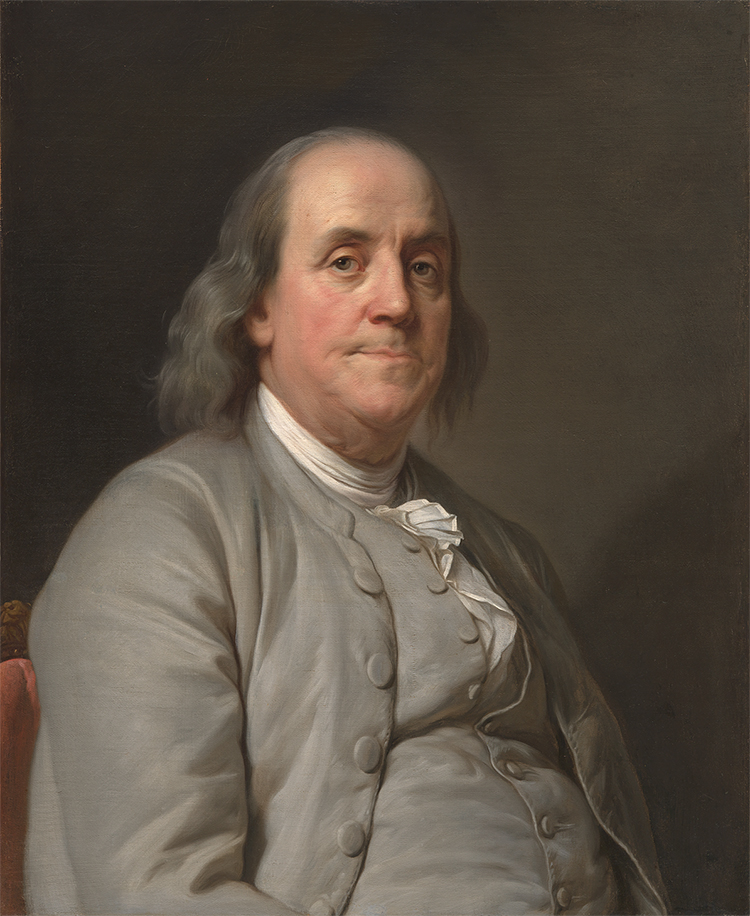
Enter Benjamin Franklin, one of the Founding Fathers of the United States and a renowned polymath. In his seminal work, "The Way to Wealth," Franklin distilled the essence of thrift, hard work, and moral integrity. Among his many aphorisms, the idea that "contentment provides true wealth" stands out as a beacon of wisdom in the face of material excess. This concept challenges the conventional wisdom that wealth is the key to happiness and encourages us to explore a more fulfilling and balanced approach to life.
[](https://npg.si.edu/sites/default/files/class_ben.jpg)
*Benjamin Franklin portrait*
## Contentment and its Practical Implications
To better understand the concept of contentment as a source of true wealth, it is helpful to examine its practical implications and applications. Drawing from Franklin's teachings, we can identify several key aspects of contentment that can help us reevaluate our priorities and cultivate a more balanced and fulfilling lifestyle.
### Embracing Gratitude and Sufficientity
At its core, contentment is about embracing gratitude and sufficientity. It is the recognition that we already have enough to lead a happy and fulfilling life and that the pursuit of excess is unlikely to bring us any additional joy or satisfaction. Franklin eloquently captured this idea in his statement, "He that lives upon hope will die fasting. There is no act of kindness so weak that it does not leave its virtue behind; so no benevolence of action so small that it does not benefit the world."
In other words, by focusing on what we already have and expressing gratitude for it, we can cultivate a sense of contentment that is far more valuable and enduring than any material possession. Moreover, by embracing sufficientity, we can avoid the trap of constantly striving for more, which often leads to anxiety, stress, and dissatisfaction.
### Developing Inner Resilience
Another crucial aspect of contentment is the development of inner resilience. In the face of adversity, contentment allows us to remain steady and centered, drawing strength from our inner resources rather than seeking external validation. By nurturing a sense of inner peace and tranquility, we can better navigate the ups and downs of life and maintain our equilibrium in the face of challenges and setbacks.
Franklin emphasized the importance of inner resilience in his teachings, encouraging his readers to "lose no time; be always employ'd in something useful; cut off all unnecessary actions." By staying busy and engaged in meaningful activities, we can not only cultivate a sense of purpose and fulfillment, but also develop the inner resilience needed to weather life's storms with grace and dignity.
### Fostering Mindful Consumption
Lastly, contentment goes hand in hand with mindful consumption. In a world where instant gratification and impulse buying are the norm, contentment invites us to pause and reflect on our purchasing decisions, asking ourselves whether they align with our values and needs. By adopting a more deliberate and thoughtful approach to consumption, we can not only save money and reduce waste, but also foster a deeper appreciation for the things we already own.
Franklin's teachings remind us that "a penny saved is a penny earned." By embracing frugality and mindful consumption, we can cultivate a sense of contentment that is grounded in the present moment, as opposed to the fleeting pleasure of material possessions.
## Case Studies and Applications
To further illustrate the practical implications of contentment as a source of true wealth, let us consider two case studies that demonstrate the power of this concept in action.
### Case Study 1: Minimalism and Simple Living
The minimalist movement has gained significant traction in recent years, with a growing number of people embracing the principles of simple living and intentional consumption. By consciously reducing the number of possessions they own and focusing on experiences and relationships, minimalists cultivate a sense of contentment that is grounded in the present moment.
By embracing frugality and minimizing their material possessions, minimalists are able to redirect their time, energy, and resources towards activities that truly matter to them. In doing so, they not only experience greater happiness and fulfillment, but also demonstrate the power of contentment as a source of true wealth.
[](https://www.thespruce.com/thmb/c1xl6ax-LRVnZwNPZSUR09SPlhg=/3000x0/filters:no_upscale%28%29:max_bytes%28150000%29:strip_icc%28%29/minimalist-living-room-ideas-5213203-hero-d27f8dcfa0b84706adbbd28ea0e1b48d.jpg)
*Minimalist living room*
### Case Study 2: The Voluntary Simplicity Movement
The voluntary simplicity movement is another example of contentment in action. By choice, individuals and families who subscribe to this philosophy intentionally opt for a simpler, more sustainable lifestyle. This may involve downsizing their homes, growing their own food, and prioritizing experiences over material possessions.
By embracing voluntary simplicity, these individuals cultivate a sense of contentment that is not dependent on external factors. In doing so, they not only reduce their environmental footprint, but also demonstrate the power of contentment as a source of true wealth.
[](http://static.oprah.com/images/200901/omag/200901_omag_basics_2_220x312.jpg)
*Voluntary simplicity lifestyle*
## Conclusion
In conclusion, the idea that "contentment provides true wealth" is a timeless and powerful concept that challenges us to reevaluate our priorities and cultivate a more balanced and fulfilling lifestyle. By embracing gratitude, sufficientity, inner resilience, and mindful consumption, we can cultivate a sense of contentment that is far more valuable and enduring than any material possession.
To further explore the topic of contentment as a source of true wealth, college students may consider the following avenues:
1. Delve deeper into the teachings of Benjamin Franklin and other philosophers who have explored the concept of contentment.
2. Research the minimalist and voluntary simplicity movements and analyze their implications for modern society.
3. Conduct a personal experiment, embracing the principles of contentment and reflecting on the impact on happiness and fulfillment.
4. Investigate the role of contentment in mental health and well-being, exploring the connection between inner peace and overall wellness.
By embracing the wisdom of Benjamin Franklin and the power of contentment, college students can embark on a journey of self-discovery and growth that will serve them well in their personal and professional lives.
Last updated: 2024-05-29
Related Books

Related Knowledges