# Credit Is Prudent: Understanding and Applying Franklin's Wisdom
## Introduction
"Credit is a sureman's best Friend, His Voucher and Pawn for present Necessities, The great Circulator of Commerce and Industry, — The Life-blood of Trade and Commerce, Without which a Merchant is no Merchant, But a Loss to the Public, and to Himself." - Benjamin Franklin
[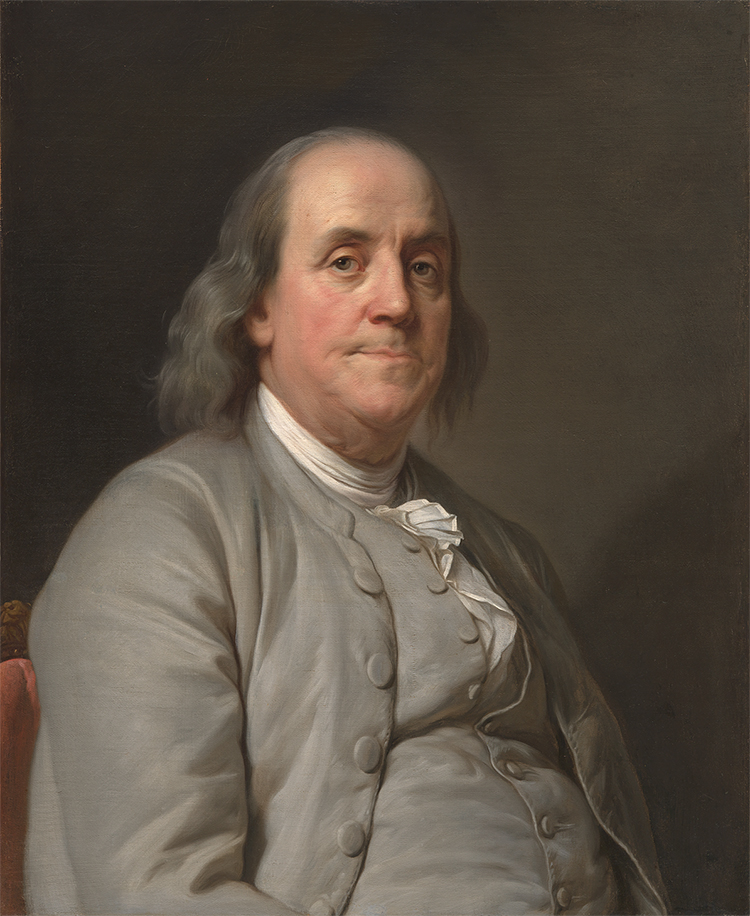](https://npg.si.edu/sites/default/files/class_ben.jpg)
*Portrait of Benjamin Franklin*
In Benjamin Franklin's famous essay "The Way to Wealth," first published in 1758, the concept of prudent credit management is frequently highlighted. Franklin believed that credit was an essential tool for commerce and industry but recognized the dangers of mismanaging it. This knowledge point, 'Credit Is Prudent,' focuses on the harmonious balance recommended by Franklin in borrowing, repaying, and making the most of credit as a financial tool.
[](https://yoursuperiorfinance.com/wp-content/uploads/2021/08/tips-for-debt-management-infographic-superior-financial-services-scaled.jpg)
*Concept of Credit Management*
## The Core of 'Credit Is Prudent'
Franklin emphasized the significance of cultivating a responsible and disciplined attitude in using credit. In essence, 'Credit Is Prudent' entails:
1. Borrowing only when necessary
2. Ensuring the ability to repay debts promptly
3. Utilizing credit for income-generating opportunities
## Relevance
Despite the centuries that have passed, the concept of 'Credit Is Prudent' remains highly relevant in the present day due to the ever-increasing prevalence of debt-financed consumption in society. The lessons from Franklin's essay can assist college students in navigating the complex financial landscape of the twenty-first century.
## Practical Implications & Examples
### Example 1: Student Loans & Education Investment
Many college students rely on student loans to invest in their education. Applying the 'Credit Is Prudent' principle involves:
- Borrowing only what is necessary for tuition and living expenses after exhausting all other financial aid opportunities (scholarships, grants, savings, part-time jobs)
- Creating a realistic repayment plan, considering financial projections post-graduation
- Leveraging the education investment for long-term income potential in a chosen field
In this context, credit becomes an essential tool for education financing and, indirectly, mobility, provided that students apply it responsibly and strategically.
### Example 2: Credit Cards & Building A Credit History
Credit cards can be a useful financial tool if wielded prudently. Following the 'Credit Is Prudent' principle in managing credit cards means:
- Using credit cards primarily for necessities and avoiding frivolous expenditures
- Paying the full balance every month to avoid accumulating interest and fees
- Employing credit cards for developing a positive credit history and, thereby, securing better financing terms in the future
[](https://img.freepik.com/premium-vector/breaking-debt-young-man-happy-after-paying-off-credit-card-debt-flat-vector-modern-illustration_566886-11547.jpg)
*Modern Credit Cards and Debt*
## Conclusion
'Credit Is Prudent' is a fundamental lesson that withstands the test of time. By reflecting on the core concepts of this knowledge point, students can cultivate responsible borrowing habits, discern the appropriate opportunities for credit utilization, and sidestep potential financial pitfalls.
Possible avenues for further exploration include:
- Reading and analyzing other essays by Benjamin Franklin
- Comparing contemporary financial advice with Franklin's wisdom
- Studying the psychology of debt and consumer behavior
- Conducting surveys assessing the current debt landscape among college students and analyzing the resulting data
- Collaborating on a group project with classmates to present their findings and recommendations on credit management for college students.
Last updated: 2024-05-29
Related Books

Related Knowledges