# Cultivating Contentment: Lessons from Benjamin Franklin's *The Way to Wealth*
[](https://m.media-amazon.com/images/I/71yVM4Bc45L._AC_UF1000,1000_QL80_.jpg)
*Cover of Benjamin Franklin's \*The Way to Wealth\**
## Introduction
Benjamin Franklin's *The Way to Wealth* is a timeless collection of maxims, many of which revolve around the concept of cultivating contentment. In the eighteenth century, the pursuit of happiness was a groundbreaking idea, and Franklin sought to shed light on the significance of being content with oneself, one's possessions, and one's circumstances. This notion is especially important in today's consumerist society, where the pursuit of material wealth often overshadows the quest for inner peace and satisfaction.
At its core, cultivating contentment entails developing an attitude that embraces gratitude and acknowledges sufficiency. This mindset, in turn, promotes self-awareness of personal goals and desires and the ability to assess and prioritize resources accordingly. In the following sections, we will delve into the practical implications of contentment and explore various examples and applications.
[](https://i5.walmartimages.com/seo/Growth-Mindset-Kids-Activities-Ages-4-12-A-Positive-Thinking-kids-Promote-Happiness-Gratitude-Self-Confidence-Mental-Health-Wellbeing-Paperback-97986_b85b69a2-0f95-4385-960f-7f941cb62ee1.97ae279fc1917a6871d914d842b3cfbb.jpeg?odnHeight=768&odnWidth=768&odnBg=FFFFFF)
*Illustration of Contentment and Gratitude*
## Practical Implications of Contentment
Cultivating contentment can significantly improve one's well-being, relationships, and overall life satisfaction. Below are some practical implications illustrating the benefits of prioritizing this valuable attitude in daily life.
* **Improved Decision-Making:** Contentment allows individuals to make decisions based on what truly matters to them, rather than external stimuli or societal expectations. This can be observed in the context of consumerism, where those who prioritize contentment can better exercise self-control, resist impulse purchases, and save resources for necessities or long-term goals.
[](https://storage.googleapis.com/twg-content/original_images/TwG-5010-hero.png)
*Illustration of Decision Making in Consumerism*
* **Enhanced Relationships:** By focusing on contentment, individuals can learn to appreciate the people and experiences in their lives, rather than taking them for granted. This shift in perspective can strengthen interpersonal relationships, foster empathy, and promote deeper connections. For instance, in the workplace, a contented individual might be more likely to express gratitude, acknowledge the efforts of their colleagues, and form collaborative partnerships.
[](https://www.verywellmind.com/thmb/nUqbTHAkoNleFeq6ueFO6jcPIu8=/1500x0/filters:no_upscale%28%29:max_bytes%28150000%29:strip_icc%28%29/understanding-mindfulness-based-relationship-enhancement-4685242_final_text-7af5f527c3dd47f787afaadfabe33e19.png)
*Illustration of Enhanced Relationships and Empathy*
* **Increased Resilience:** Cultivating contentment can also contribute to greater resilience in the face of adversity. By fostering gratitude and recognizing the abundance in one's life, individuals can build psychological fortitude, develop a positive outlook, and maintain a sense of inner peace amidst challenges. This mindset can prove especially useful for students seeking to cope with academic stressors or navigate personal struggles.
[](https://d3t3ozftmdmh3i.cloudfront.net/staging/podcast_uploaded_episode400/19472485/19472485-1710344966140-dce89a369bedd.jpg)
*Illustration of Resilience in the Face of Adversity*
## Examples and Applications
Throughout *The Way to Wealth*, Franklin weaves in several examples and applications of cultivating contentment. Here, we will discuss two of these instances to better understand the practical implications of this concept.
### Example 1: Early to Bed, Early to Rise
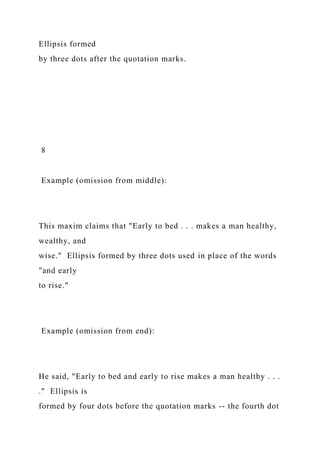
One of the most famous maxims from *The Way to Wealth* is "Early to bed, early to rise, makes a man healthy, wealthy, and wise." At first glance, this adage appears to focus on time management; however, it also highlights the benefits of contentment.
An early riser generally starts their day with a renewed sense of purpose, enabling them to accomplish tasks efficiently and mindfully. When people recognize and appreciate their inherent worth—rather than solely relying on external factors like material possessions or wealth—they can free themselves from unnecessary stressors and distractions. Furthermore, early risers often enjoy quiet moments of reflection, which can foster self-awareness, strengthen resilience, and bolster overall well-being.
[](https://image.slidesharecdn.com/mlaworkscitedpagemlaformatmlaformatupdated2016-221013080752-c7e33ad9/85/MLA-Works-Cited-PageMLA-FormatMLA-FORMAT-updated-2016-docx-42-320.jpg)
*Illustration of the Maxim "Early to bed, early to rise"*
### Example 2: Earned, Not Given
Another principal concept in *The Way to Wealth* is that of earning, rather than expecting, rewards. Franklin reminds his readers, "No gain without pain," emphasizing the importance of persistence and hard work. By embracing this mindset, individuals develop a sense of ownership and pride in their accomplishments, ultimately resulting in a more profound inner satisfaction.
Consider a student who consistently prioritizes their academic responsibilities while balancing other commitments. In this situation, the student derives contentment from their diligence and dedication, regardless of the external outcome. Rather than idly waiting for a reward or recognition, this individual understands that the personal growth and learning gained from the experience are far more invaluable.
[](https://m.media-amazon.com/images/I/A13usaonutL._CLa%7C2140%2C2000%7C41uwaadvCWL.png%7C0%2C0%2C2140%2C2000%2B0.0%2C0.0%2C2140.0%2C2000.0_AC_UY1000_.png)
*Illustration of the "Earned, Not Given" Mindset*
## Conclusion
Within the pages of *The Way to Wealth*, Benjamin Franklin offers a wealth of knowledge that transcends time and circumstance. In particular, the practice of cultivating contentment remains crucial for personal growth and development.
For further exploration of this knowledge point, consider the following avenues:
* Engage with academic texts that expand on the concept of cultivating contentment, such as Viktor Frankl's *Man's Search for Meaning*, Mihaly Csikszentmihalyi's *Flow: The Psychology of Optimal Experience*, or Eckhart Tolle's *The Power of Now*.
* Participate in discussions or debates centered on the benefits and challenges of cultivating contentment and explore strategies for effectively achieving this mindset in today's society.
* Reflect on personal experiences and identify instances where cultivating contentment has contributed to growth, resilience, or enhanced relationships.
In sum, by cultivating contentment and embracing the maximums laid out in *The Way to Wealth*, individuals can develop self-awareness, hone mindfulness, and forge a rich, fulfilling path through life's complexities.
Last updated: 2024-05-29
Related Books

Related Knowledges