# Investing in Land: A Key Lesson from Poor Richard's Almanack
[](https://upload.wikimedia.org/wikipedia/commons/8/81/Poor_Richard_Almanack_1739.jpg)
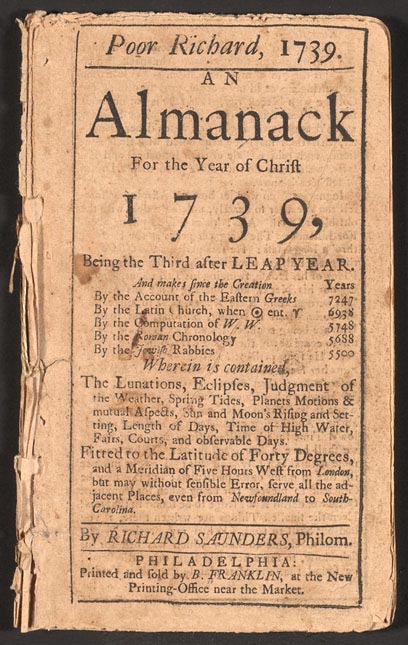
*Benjamin Franklin and Poor Richard's Almanack*
## Introduction
Benjamin Franklin's Poor Richard's Almanack, first published in 1732, remains a timeless source of wisdom and practical advice. Among the many knowledge points that Franklin shared, the idea of investing in land stands out as particularly relevant and insightful for contemporary audiences. In this article, we will explore the core concepts of this idea, its relevance, and illustrate its practical implications through diverse examples.
## Core Concepts and Relevance
The concept of investing in land is deeply grounded in the principles of frugality, hard work, and long-term thinking, which are central to Franklin's philosophy. By investing in land, individuals can secure a tangible and valuable asset that not only provides a sense of stability but also offers the potential for long-term wealth accumulation. This idea is particularly relevant today, as the global population continues to grow, placing increased pressure on available land resources and driving up their value.
## Practical Implications: Examples and Applications
### Example 1: Real Estate Development
[](https://bc.gatech.edu/sites/default/files/2019-08/mred_page_topper_1920x640.jpg)
*Real Estate Development Example*
One practical application of investing in land involves pursuing real estate development projects. By purchasing land in strategic locations and developing it into residential, commercial, or industrial properties, investors can generate significant returns on their investment. For example, consider the case of an investor who purchases a plot of land in a rapidly growing urban area. By building a multi-unit residential building on this land, the investor can capitalize on the rising demand for housing and generate a steady stream of rental income.
### Example 2: Agricultural Land Investment
[](https://kirilovalaw.com/wp-content/uploads/2016/07/Agricultural-Land.jpg)
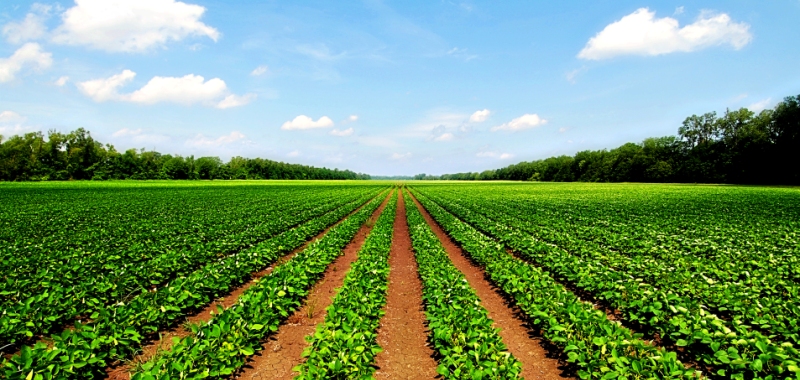
*Agricultural Land Investment*
Another practical application of investing in land involves purchasing agricultural land for the purpose of farming or livestock rearing. This approach can provide a stable source of income through the sale of agricultural products, as well as offer the potential for long-term capital appreciation. For instance, an investor who purchases farmland in a region known for its fertile soil and favorable climate can cultivate high-demand crops or raise livestock, generating a steady income while also potentially benefiting from increases in the value of the land over time.
### Example 3: Sustainable Forestry
[](https://lookaside.fbsbx.com/lookaside/crawler/media/?media_id=100064596980323)
*Sustainable Forestry Land*
A third practical application of investing in land involves purchasing land for the purpose of sustainable forestry. This approach can provide a stable source of income through the sale of timber, as well as offer the potential for long-term capital appreciation. For instance, an investor who purchases a plot of forested land in a region known for its high-quality timber can implement sustainable harvesting practices, generating a steady stream of income from the sale of timber while also preserving the long-term health and productivity of the forest.
## Conclusion
In conclusion, investing in land remains a timeless and insightful concept drawn from Benjamin Franklin's Poor Richard's Almanack, offering college students and other readers a valuable lesson in frugality, hard work, and long-term thinking. Through the practical examples and applications discussed in this article, it is clear that investing in land can provide a stable source of income and long-term wealth accumulation.
To further explore this topic, consider researching contemporary trends and best practices in real estate development, agricultural land investment, or sustainable forestry. Additionally, consider investigating the role of government policies and regulations in shaping land investment opportunities and challenges. By delving deeper into these aspects of land investment, you can gain a more comprehensive understanding of this important concept and its ongoing relevance in today's world.
Last updated: 2024-05-29
Related Books

Related Knowledges