# Little Strokes Fell Great Oaks: The Power of Persistence and Consistency in Personal Growth and Achievement
## Introduction
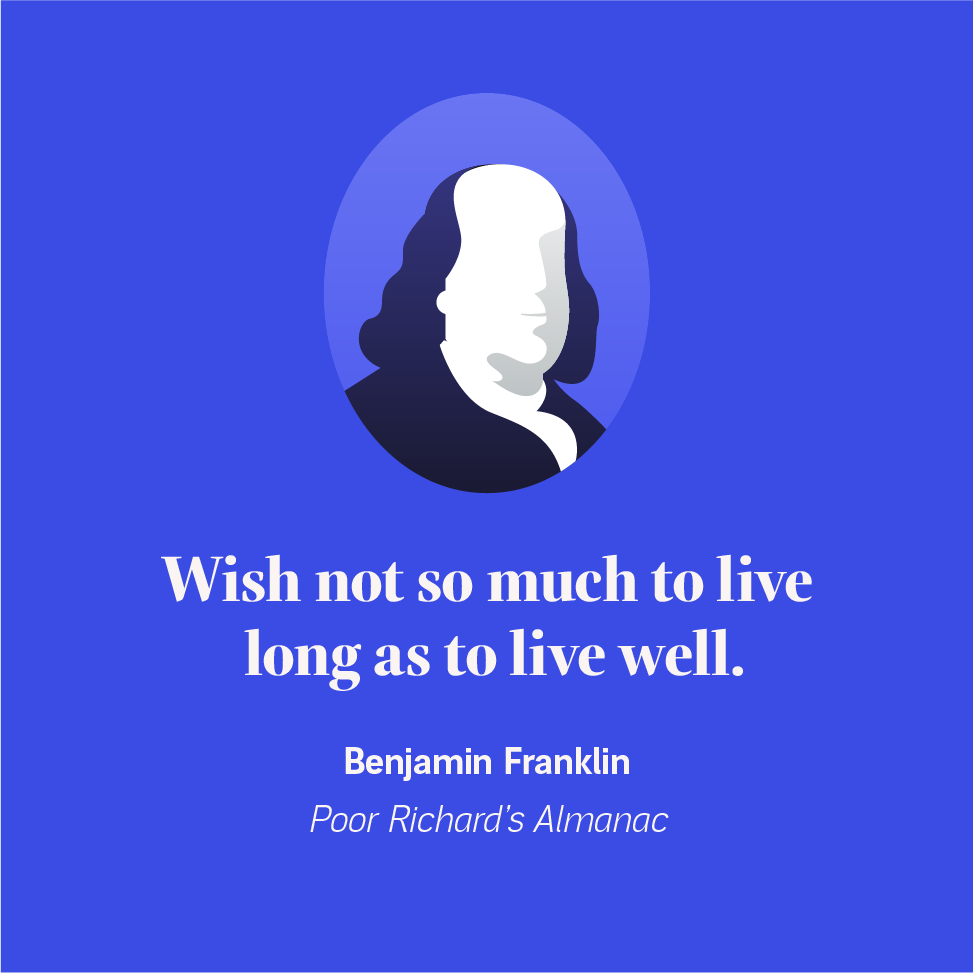
"Little strokes fell great oaks," a popular saying from Benjamin Franklin's *Poor Richard's Almanack*, encapsulates the idea that consistent, small efforts can lead to significant achievements over time. It emphasizes the importance of persistence and determination in overcoming obstacles, achieving personal growth, and attaining long-term goals.
[](https://images.ctfassets.net/qpn1gztbusu2/2wR8lHL9H2QzmCpghAXIKx/5e702372b818b4809b20e81c8869724c/Benjamin-Franklin-Quote-01.png)
*"Little strokes fell great oaks," a saying from Benjamin Franklin's \*Poor Richard's Almanack\*.*
### Core Concepts
1. **Persistence**: The unwavering commitment to one's goals and values in the face of adversity or challenges
2. **Consistency**: The practice of regularly engaging in deliberate efforts to pursue one's goals
3. **Patience**: The ability to endure delays or difficulties while maintaining a focus on long-term objectives
### Relevance
The concept of 'Little strokes fell great oaks' is particularly relevant for college students, who are simultaneously navigating a complex learning environment and establishing foundational habits for personal and professional growth. By understanding and applying this concept, students can not only enhance their learning experiences but also develop resilience, perseverance, and a growth mindset.
[](https://i0.wp.com/freedom.to/blog/wp-content/uploads/2022/09/pexels-charlotte-may-5965839.jpeg?fit=1024%2C682&ssl=1)
*College students navigating complex learning environments.*
## Examples and Applications
### Example 1: Building a Strong GPA
Imagine a student who wishes to maintain a high GPA, averaging an A- (3.67). With a full course load of 15 credits each semester, they will need to earn 55-56 credits with an A- or higher over four years (assuming two summer sessions with no coursework).
To achieve this, the student can adopt a consistent approach by following these steps:
1. **Set Goals**: Establish a clear academic goal of maintaining a 3.67 or higher GPA.
2. **Plan**: Map out a four-year academic plan, considering prerequisites and areas of interest.
3. **Monitor Progress**: Regularly review academic performance to ensure progress towards the academic goal.
4. **Adjust**: Modify the academic plan as needed to address challenges or capitalize on opportunities.
By consistently prioritizing academics, the student builds a strong GPA incrementally, demonstrating that little strokes—in this case, focused study hours and careful course selection—can indeed fell the great oak of a formidable academic record.
[](https://gpacalculator.net/wp-content/uploads/college-gpa-calculator-step-2-class-credits.png)
*Students working towards maintaining a high GPA.*
### Example 2: Developing Healthy Habits
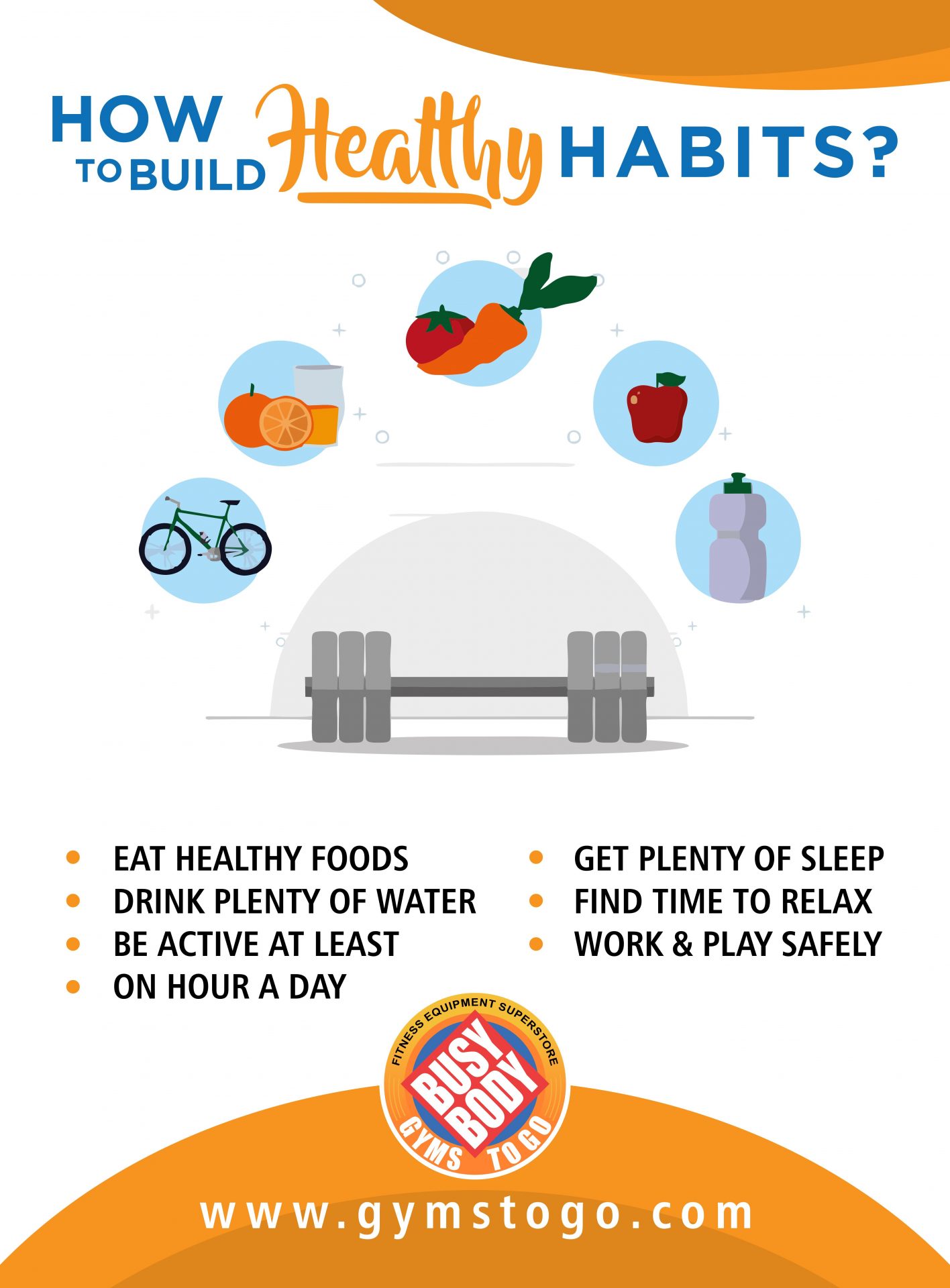
A second application of the 'Little strokes fell great oaks' concept concerns the development of healthy habits. Regular exercise, proper nutrition, and stress management are essential components of a balanced college experience; however, they can be challenging to incorporate into a busy schedule.
By breaking down these habits into manageable, daily actions, students can gradually build a strong foundation for lifelong health:
1. **Set goals**: Identify the desired healthy habits, such as a target number of daily steps, a balanced meal plan, or a consistent sleep schedule.
2. **Start Small**: Initiate the habit by setting easily achievable targets, like walking 2,000 steps daily or sleeping for at least 7 hours.
3. **Track Progress**: Regularly assess progress through a journal or mobile app, allowing for a visual representation of improvement.
4. **Reflect**: Periodically assess the effectiveness of strategies and adjust as needed to maintain motivation.
[](https://gymstogo.com/qazax/uploads/2021/06/HOW-TO-BUILD-HEALTHY-HABITS.jpg)
*Building healthy habits step by step.*
### Example 3: Networking for Career Success
A third example of the power of persistence and consistency concerns networking for career success. Building a professional network can lead to valuable opportunities, but it often takes time and dedication. Implementing consistent habits can assist students in fostering relationships with professionals:
1. **Set Goals**: Identify the target industries and number of connections to be established.
2. **Plan**: Develop a plan for attending networking events, joining organizations, or connecting with alumni.
3. **Initiate Contact**: Reach out to professionals through LinkedIn, informational interviews, or email.
4. **Nurture Relationships**: Regularly engage with new connections by sharing content or updates via social media or periodic messages.
Through these consistent efforts, students can establish invaluable relationships that provide access to future internships, jobs, or mentoring opportunities.
[](https://m.media-amazon.com/images/I/51alYZRBvYL._AC_UF1000,1000_QL80_.jpg)
*Consistently building a professional network.*
## Conclusion
The idea of 'Little strokes fell great oaks' has substantial implications for college students seeking to maximize their learning experiences and prepare for personal and professional success. By cultivating persistence, consistency, and patience, students can overcome academic, social, and career-related challenges in an ever-evolving world.
### Suggested Avenues for Further Exploration
1. **Growth Mindset**: Examine the psychological literature on growth mindset and its relationship with persistence, motivation, and achievement.
2. **The Compound Effect**: Explore the concept of the compound effect, popularized by Darren Hardy, and its relevance to personal and professional development.
3. **The Kaizen Approach**: Analyze the Japanese approach of continuous improvement (Kaizen) and its implications for personal and organizational growth.
4. **Self-Determination Theory**: Investigate the theoretical framework of self-determination theory (SDT) and its relevance to motivation, goal pursuit, and well-being.
Embracing the principle of 'Little strokes fell great oaks' can empower students to forge their paths, overcome obstacles, and cultivate a mindset of lifelong learning, resilience, and accomplishment.
Last updated: 2024-05-29
Related Books

Related Knowledges