# Virtues Cultivate Wealth: Lessons from Poor Richard's Almanack
[](https://m.media-amazon.com/images/I/91Dbm3jdGlS._AC_UF1000,1000_QL80_.jpg)
*Cover of Poor Richard's Almanack*
Benjamin Franklin's *Poor Richard's Almanack*, first published in 1732, has been a source of practical wisdom and timeless advice for generations. Among the many valuable lessons espoused in the almanac, the idea that virtues cultivate wealth stands out as a cornerstone of Franklin's philosophy. In this piece, we will delve into the core concepts of this idea and explore its relevance in today's world. Furthermore, we will provide diverse examples and applications to illustrate its practical implications, making the material engaging and insightful for college students.
[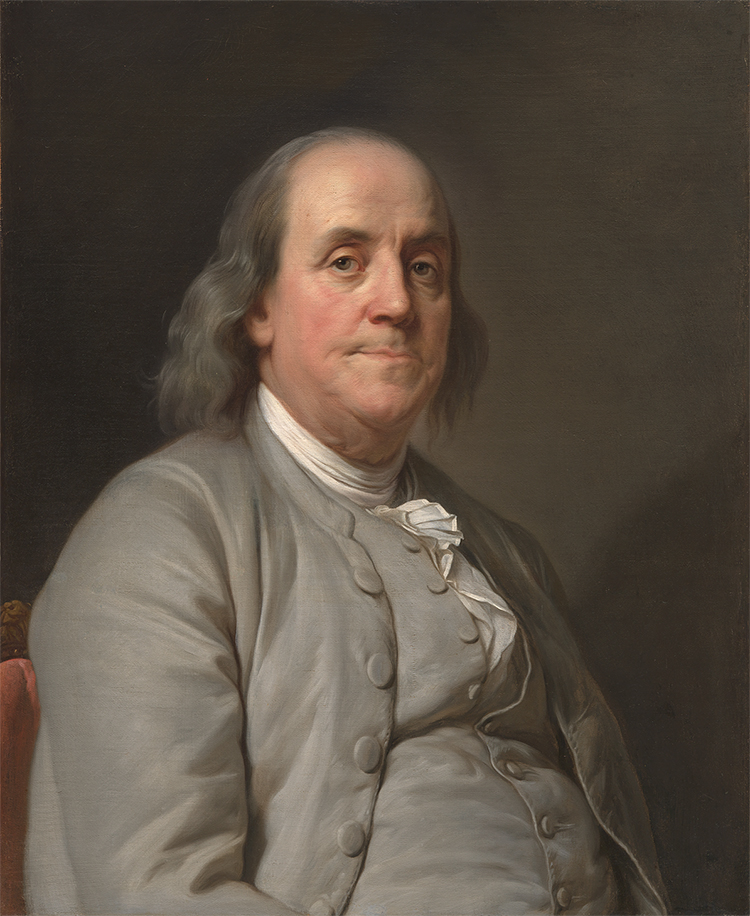](https://npg.si.edu/sites/default/files/class_ben.jpg)
*Benjamin Franklin*
## Introduction: The Core Concepts of Virtues and Wealth
*Poor Richard's Almanack* presents the idea that cultivating virtues is instrumental in building and preserving wealth. At its core, Franklin's philosophy emphasizes that personal virtues such as frugality, industry, and integrity foster financial success. By fostering disciplined habits and ethical behavior, individuals can lay the groundwork for both personal and financial prosperity.
While the relationship between virtues and wealth may not be immediately apparent, it becomes evident when we consider how virtuous individuals typically manage their resources. By adhering to virtues such as frugality and self-discipline, they are more likely to save, invest, and plan for the future, ultimately resulting in financial growth and stability.
## The Virtue of Frugality
[](https://static.vecteezy.com/system/resources/previews/024/340/241/non_2x/frugality-savings-for-prosperity-or-financial-success-building-wealth-or-thrifty-budgeting-or-cut-spending-to-save-money-for-future-concept-money-dollar-coins-drop-into-hand-holding-piggy-bank-vector.jpg)
*Frugality Concept Illustration*
Frugality, or the practice of being economical, is a central virtue that cultivates wealth, according to Franklin. For college students and young adults, embracing frugality can provide a strong foundation for long-term financial success. A few practical ways to apply frugality in daily life include:
- **Budgeting**: Allocating resources in a thoughtful, mindful manner allows for the prioritization of essential expenses while limiting unnecessary expenditures.
- **Avoiding debt**: Debt can accrue significant interest, making it a formidable barrier to financial stability and growth. By practicing frugality, individuals can minimize their reliance on debt to finance their lifestyle.
- **Investing**: Frugal individuals are more likely to accumulate savings, making it possible to invest in assets that generate passive income, such as stocks and real estate.
Franklin himself exemplified frugality in various aspects of his life, from carefully tracking his expenses and savings to the famous "13-week" experiment where he sought to attain moral perfection, one virtue at a time. By consciously cultivating frugality as a habit, both college students and working professionals can bolster their financial footing.
## The Virtue of Industry
[](https://www.shutterstock.com/image-vector/stepping-through-obstacles-success-doodle-260nw-1298057455.jpg)
*Industry and Success Illustration*
Another crucial virtue for cultivating wealth is industry, or diligent work and perseverance. By dedicating oneself to developing skills, pursuing education, and participating actively in the workforce, one is more likely to achieve financial stability and success. Moreover, the development of professional networks may lead to opportunities that yield further financial growth.
Franklin's emphasis on the importance of education for personal and financial growth is evident in the various aphorisms that appear in *Poor Richard's Almanack*. For instance, the famous quote, "An investment in knowledge pays the best interest," highlights the value that he placed on learning and growth. As college students engage in their education, they are simultaneously investing in their futures and cultivating the industry required to build wealth.
## Practical Implications of Virtues Cultivating Wealth
Applying the principles of frugality and industry in everyday life can yield tangible benefits, particularly for college students and young adults establishing their financial footing. Here, we will explore several practical implications of cultivating virtues to foster wealth:
### Building an Emergency Fund
By practicing frugality and industry, individuals can establish an emergency fund—a crucial safety net for financial stability. By diligently saving a portion of their income, young adults can mitigate financial strains caused by unexpected events or temporary unemployment. An emergency fund allows for a solid foundation on which to build wealth.
### Long-Term Financial Planning
[](https://www.slideteam.net/media/catalog/product/cache/1280x720/s/h/short_medium_and_long_term_financial_planning_icon_slide01.jpg)
*Financial Planning Graphic*
Fostering the virtues of frugality and industry can enable long-term financial planning, which includes setting financial goals and developing strategies to achieve them. By thoughtfully investing resources in stocks, real estate, or retirement plans, college students can establish a blueprint for financial stability and security in adulthood.
### Contributing to Society
Franklin believed that being virtuous and financially secure afforded individuals the opportunity to contribute positively to society. By maintaining frugality and industry, one can allocate resources toward charitable endeavors or social causes, fostering a sense of purpose and fulfillment. As a result, cultivating virtues and wealth serves not only the individual's best interests but also benefits the broader community.
## Conclusion: Key Insights and Further Exploration of the Topic
The lessons from *Poor Richard's Almanack* underscore the idea that virtues cultivate wealth by emphasizing the importance of frugality and industry in financial success. College students can apply these principles to their lives by prioritizing budgeting, limiting unnecessary expenditures, diligent work, and seeking opportunities for education and growth.
For further exploration of the topic, students can delve into books and resources that explore facets of financial literacy and virtue ethics. Some recommendations include:
- *The Richest Man in Babylon* by George S. Clason
- *Thinking, Fast and Slow* by Daniel Kahneman
- *The Virtues of the Ordinary: An Empirical Theology* by Michael S. Horton
By developing virtues and applying them to their financial lives, students can embark on a fruitful and secure journey towards prosperity and meaningful engagement with the world.
Last updated: 2024-06-01
Related Books

Related Knowledges