## Do Good by Stealth: The Unsung Virtue in Benjamin Franklin's Poor Richard's Almanack
[](https://npg.si.edu/sites/default/files/class_ben.jpg)
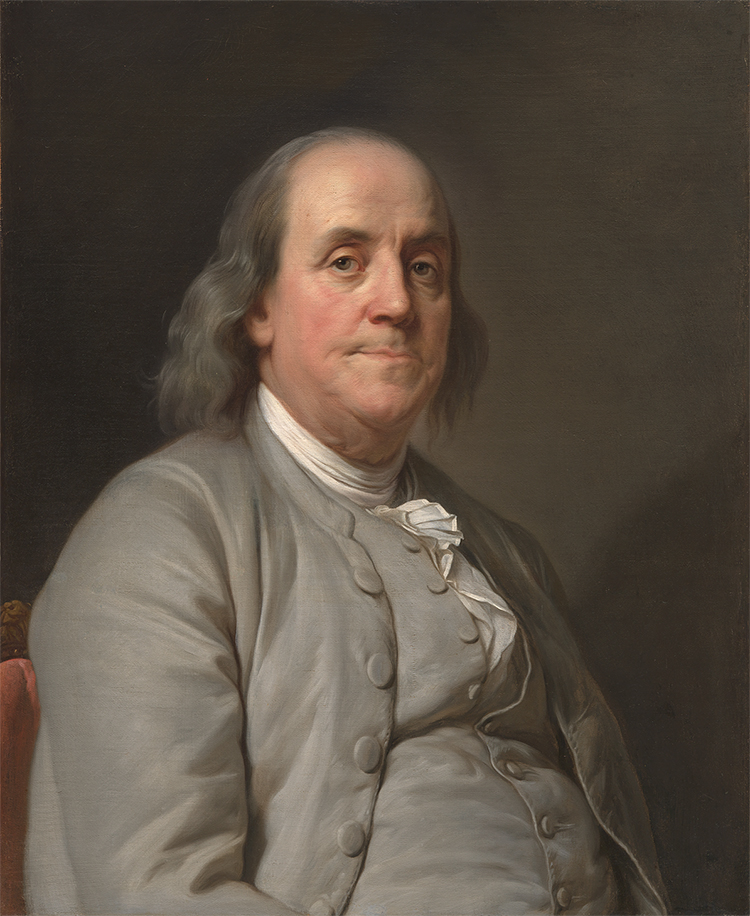
*Benjamin Franklin's Portrait*
Framed within Benjamin Franklin's timeless collection of proverbs and aphorisms, *Poor Richard's Almanack*, the virtue of 'doing good by stealth' merits profound reflection. This notion promotes the idea of executing acts of kindness covertly, without the expectation of recognition or rewards. In this piece, we aim to elucidate the core concepts of this virtue and its relevance to contemporary society. Moreover, we will provide illustrative examples and applications, rendering the material both insightful and engaging for college students.
### I. Core Concepts and Relevance
At its very essence, the concept of 'doing good by stealth' emphasizes the intrinsic value of altruistic acts. According to Franklin, performing good deeds discreetly fosters genuine benevolence and humility. Such acts, unburdened by the allure of public acclaim or self-aggrandizement, contribute to an individual's moral development.
In the broader context of contemporary society, this principle remains as relevant and compelling as ever. With the ever-growing prominence of social media and digital platforms, the phenomenon of 'virtue-signaling' has become increasingly pervasive. This creates an environment where the proliferation of ostentatious philanthropy threatens the authenticity of genuine charitable work.
By revisiting Franklin's wisdom of 'doing good by stealth,' we can distill timeless insights and apply them to our personal growth and collective societal well-being.
### II. Illustrative Examples and Applications
To elucidate the practical implications of 'doing good by stealth,' we offer the following examples and applications.
#### 1. Anonymous Donations
[](https://www.shutterstock.com/image-vector/make-donation-concept-charity-events-260nw-2429780077.jpg)
*Illustration of Anonymous Donations*
One of the most straightforward methods of practicing 'doing good by stealth' involves making anonymous donations. Anonymity effectively curtails the possibility of public recognition or praise. In turn, this cultivates a more altruistic and unpretentious attitude towards charitable giving. For example, a student may anonymously contribute to a classmate's tuition fund, offering vital assistance and nurturing a culture of empathy and generosity amongst peers.
#### 2. Acts of Kindness
Stealthy acts of kindness are equally impactful and relatively simple to integrate into daily life. These covert gestures often go unnoticed, yet they can leave profound and lasting impressions on the recipients. Consider helping a fellow student prepare for an exam, provide thoughtful advice, or offer assistance with a challenging project—all anonymously—to truly embody the essence of 'doing good by stealth.'
[](https://hips.hearstapps.com/hmg-prod/images/random-acts-of-kidness-for-kids-1520482842.jpg?crop=0.888888888888889xw:1xh;center,top&resize=1200:*)
*Illustration of Acts of Kindness*
### III. Further Exploration
Having acquired a fundamental grasp of the principle of 'doing good by stealth,' it is worthwhile to delve into avenues for further exploration and application. We propose the following areas of inquiry and action for college students:
#### 1. Applying Stealthy Altruism in Group Projects
As part of a collaborative effort in a group project or team setting, students can remain vigilant for opportunities to support and assist their peers anonymously. By doing so, they can foster a more harmonious and cooperative environment while also enhancing their individual development in humility and altruism.
#### 2. Evaluating the Role of Public Recognition in Philanthropy
With a critical lens, college students can investigate and reflect on the implications of public recognition in philanthropic work. This introspection can lead to a nuanced understanding of how one's motivations behind charitable acts may be influenced by the prospect of garnering praise or recognition.
Ultimately, embracing the virtue of 'doing good by stealth' calls for a sincere commitment to intrinsic altruism and self-reflection. By integrating this principle into various aspects of life, individuals can cultivate humility, authenticity, and empathy, making tangible contributions to a kinder and more compassionate society.
Last updated: 2025-10-11
Related Books

Related Knowledges