# Credit Risk Premium (CRP): Understanding Tail Risk Hedging
Credit Risk Premium (CRP) is a fundamental concept in finance and investment. It refers to the extra return investors demand for holding assets or securities that carry a higher risk of default. CRP is a crucial component of tail risk hedging, which aims to manage and mitigate the impact of extreme market movements on investment portfolios.
[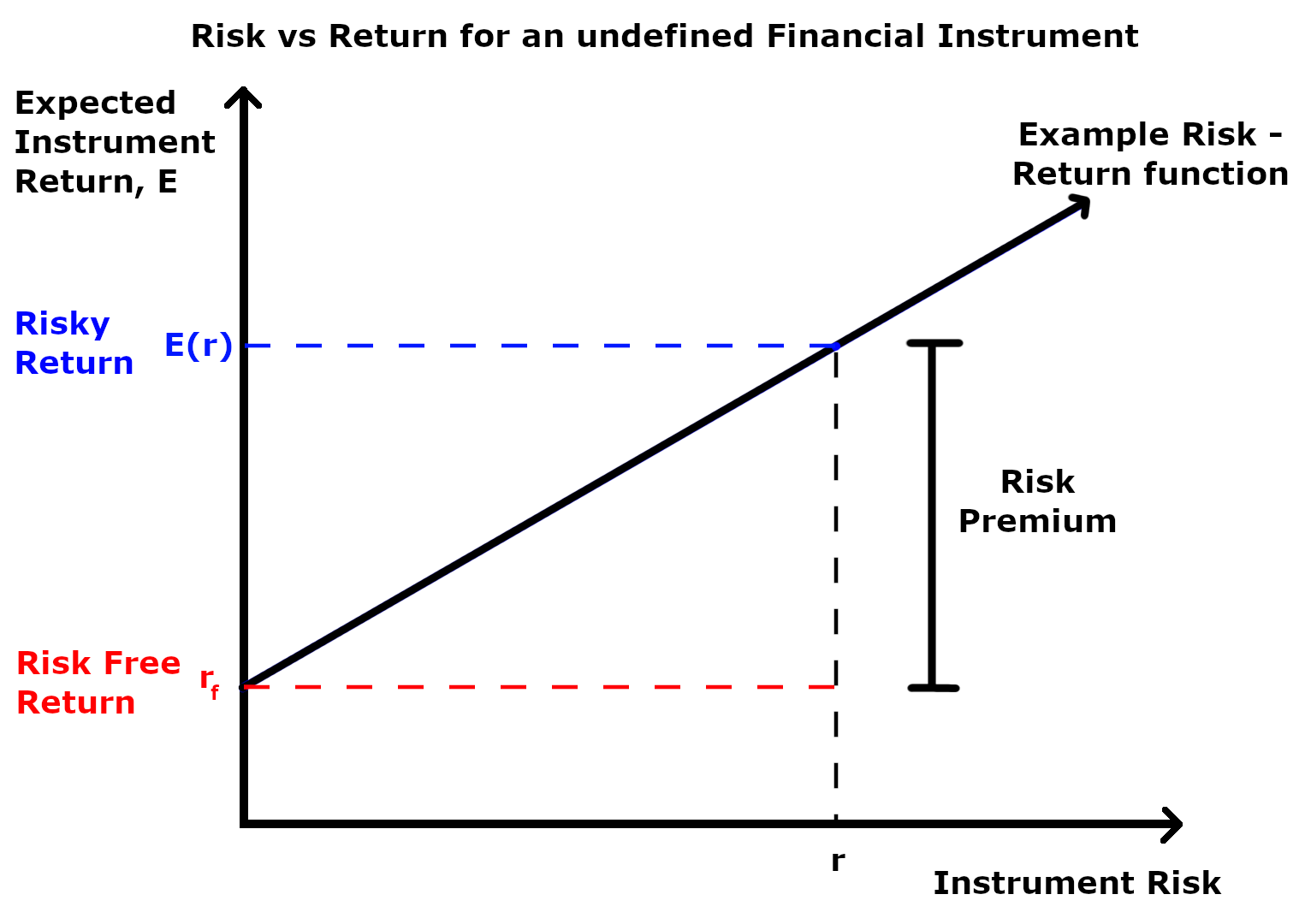](https://upload.wikimedia.org/wikipedia/commons/a/a5/Risk_Return_Function_with_Risk_Premium.png)
*An overview of Credit Risk Premium in finance.*
Tail risk is the risk of losses occurring from the most unlikely events, which can have a significant impact on the value of a portfolio. By understanding and accounting for the CRP, investors can develop more effective tail risk management strategies and make more informed investment decisions.
[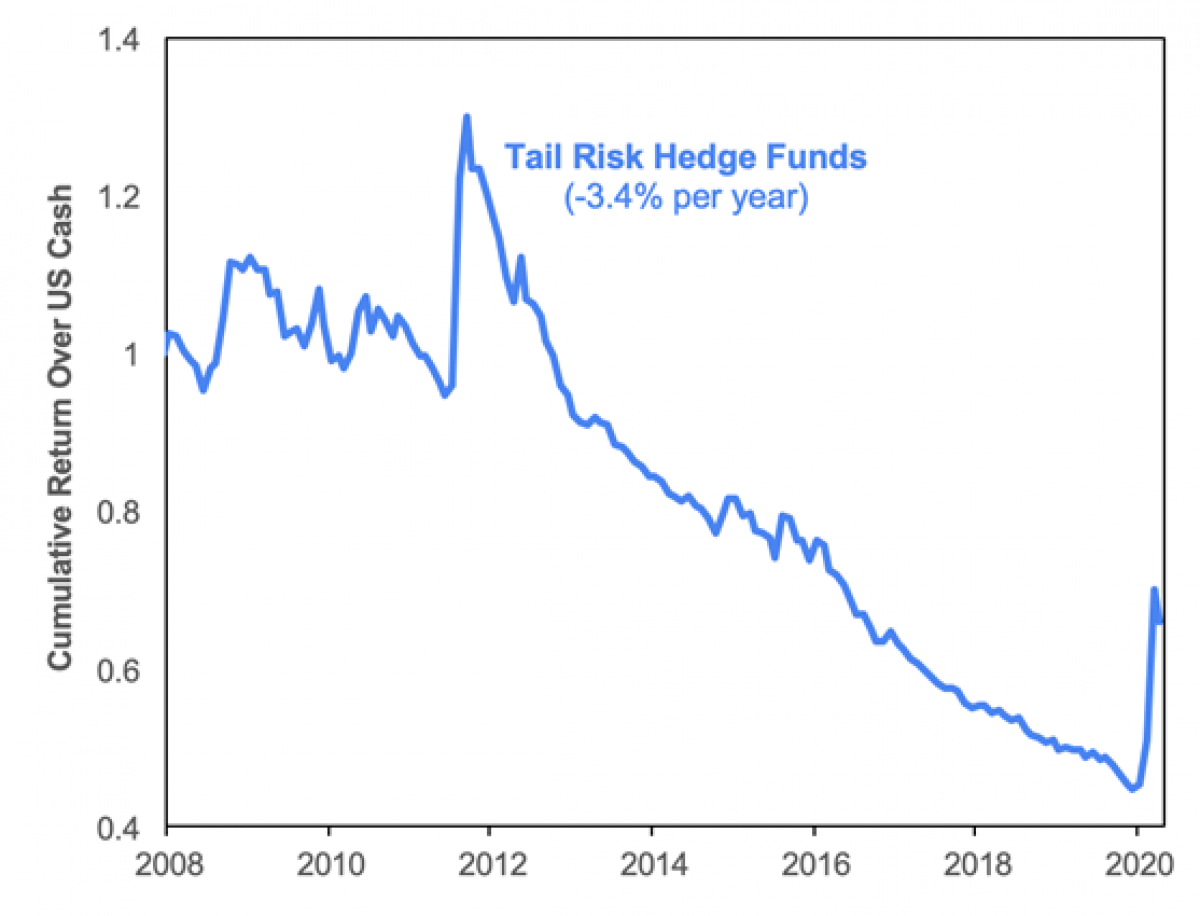](https://caia.org/sites/default/files/styles/full_width/public/2021-07/Figure%2B2.png?itok=Maj0xZcM)
*Understanding tail risk hedging in investments.*
## Credit Risk Premium: Core Concepts and Relevance
Credit Risk Premium refers to the difference between the return on a risk-free asset, such as a U.S. Treasury bond, and the expected return on a riskier asset, such as a corporate bond, that carries a higher likelihood of default. The additional return is compensation for the investor's willingness to assume the risk of default. In other words, CRP represents the additional risk an investor is taking on by investing in a risky asset instead of a risk-free one.
[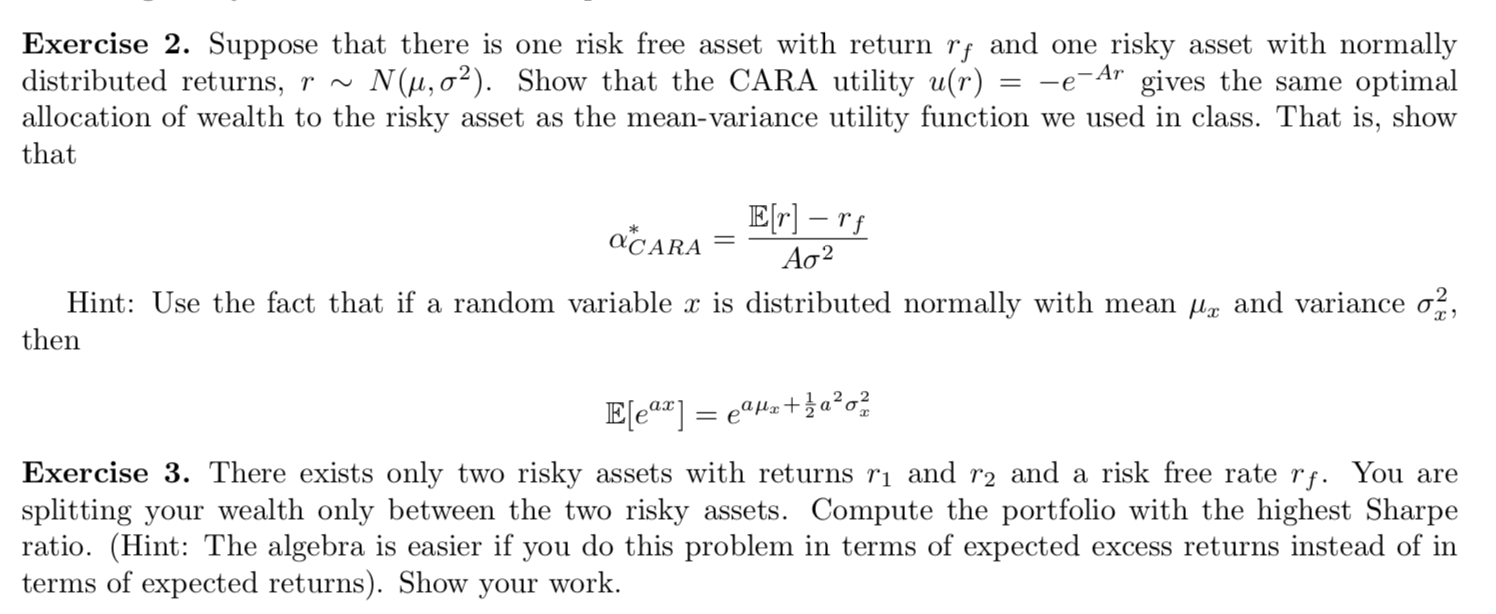](https://media.cheggcdn.com/media/abe/abe4895e-f233-4785-b728-39c5ad3360ae/phpbOK41a.png)
*Comparing returns: Risk-free vs Risky assets.*
The concept of CRP is fundamental to understanding tail risk hedging, as it allows investors to better assess and manage the potential downside risks of their investments. Tail risk hedging seeks to protect portfolios from extreme losses by implementing strategies that reduce the impact of extreme market moves. By accounting for the CRP, investors can make more informed decisions and develop tail risk management strategies that reflect the true risk-reward profile of their investments.
## Practical Implications: Examples and Applications
To better understand the practical implications of CRP and its role in tail risk hedging, let's explore two examples:
1. **Credit Default Swaps (CDS):** A CDS is a financial derivative that allows investors to transfer the credit risk of a bond or a portfolio of bonds to another party. In exchange for a premium, the buyer of a CDS receives protection against the risk of default by the issuer of the underlying bond.
[](https://www.investopedia.com/thmb/_hC1436zbQcUlwybX5vtlNZ0eSE=/1500x0/filters:no_upscale%28%29:max_bytes%28150000%29:strip_icc%28%29/Term-Definitions_Credit-default-swap-63dfdd6f916e4dfa8fb524fc387273c6.jpg)
*Credit Default Swaps \(CDS\) as an example of credit risk transfer.*
CRP is directly linked to the pricing of CDS. The premium paid by the buyer of a CDS reflects the market's assessment of the likelihood of default by the issuer of the underlying bond and the potential losses that would result from such a default. By analyzing the CRP embedded in CDS prices, investors can develop a better understanding of the true risk-reward profile of their investments and implement tail risk hedging strategies accordingly.
2. **Portfolio Construction:** CRP plays an essential role in portfolio construction and management. By accounting for the CRP when assessing the risks and rewards of various assets, investors can develop a more accurate understanding of the true risk-reward profile of their portfolios.
For instance, consider an investor who is deciding between two portfolios. Portfolio A has an expected return of 8% and a volatility of 10%, while Portfolio B has an expected return of 6% and a volatility of 5%. At first glance, Portfolio A appears to be the better choice due to its higher expected return. However, if Portfolio A has a higher CRP due to a greater likelihood of default, it may not be the optimal choice for an investor who is risk-averse or concerned about tail risk.
[](https://thepfengineerdotcom.files.wordpress.com/2016/02/correlationmatrix.png)
*Impact of CRP on portfolio construction.*
By accounting for the CRP, the investor can make a more informed decision and choose the portfolio that aligns better with their risk tolerance and investment objectives.
## Conclusion: Key Insights and Further Exploration
Understanding CRP and its role in tail risk hedging is crucial for investors who aim to manage and mitigate the impact of extreme market moves on their portfolios. CRP allows investors to better assess the true risk-reward profile of their investments, making it a valuable tool in portfolio construction and management.
By exploring the practical implications of CRP through examples such as credit default swaps and portfolio construction, investors can develop a deeper understanding of this concept and its significance in tail risk hedging. To further explore the topic, consider delving into additional resources on tail risk management and credit risk assessment, as well as studying the applications of CRP in various financial instruments and strategies. This will equip college students with the knowledge and tools necessary to make informed investment decisions and effectively manage tail risk in their portfolios.
Last updated: 2024-04-20
Related Books

Related Knowledges