# Tail Risk: An In-depth Analysis of its Core Concepts, Practical Implications, and Future Exploration
In the realm of finance and investment, tail risk is a vital concept that is often overlooked or underestimated. Derived from statistics and probability theory, tail risk alludes to the likelihood of an event featuring extreme outcomes falling far from the expected or average outcome. In finance, tail risk specifically refers to the probability of a dramatic drop in the value of an investment or a financial instrument. In his book 'Tail Risk Hedging', Vineer Bhansali offers a comprehensive analysis of tail risk and various techniques for mitigating it. This article intends to explore the core concepts of tail risk, illustrate its practical implications with examples, and suggest future exploration of the topic.
## What is Tail Risk?
Tail risk is the probability of an extreme event in an investment's return distribution, defined by its skewness and kurtosis. Skewness refers to the asymmetry of the return distribution, while kurtosis denotes the distribution's "tailedness" relative to a normal distribution.
A distribution characterized by high kurtosis implies a higher likelihood of extreme events, both positive and negative, compared to a normal distribution. Negative tail risk denotes the probability of extreme negative returns, while positive tail risk signifies the potential for unusually high positive returns.
[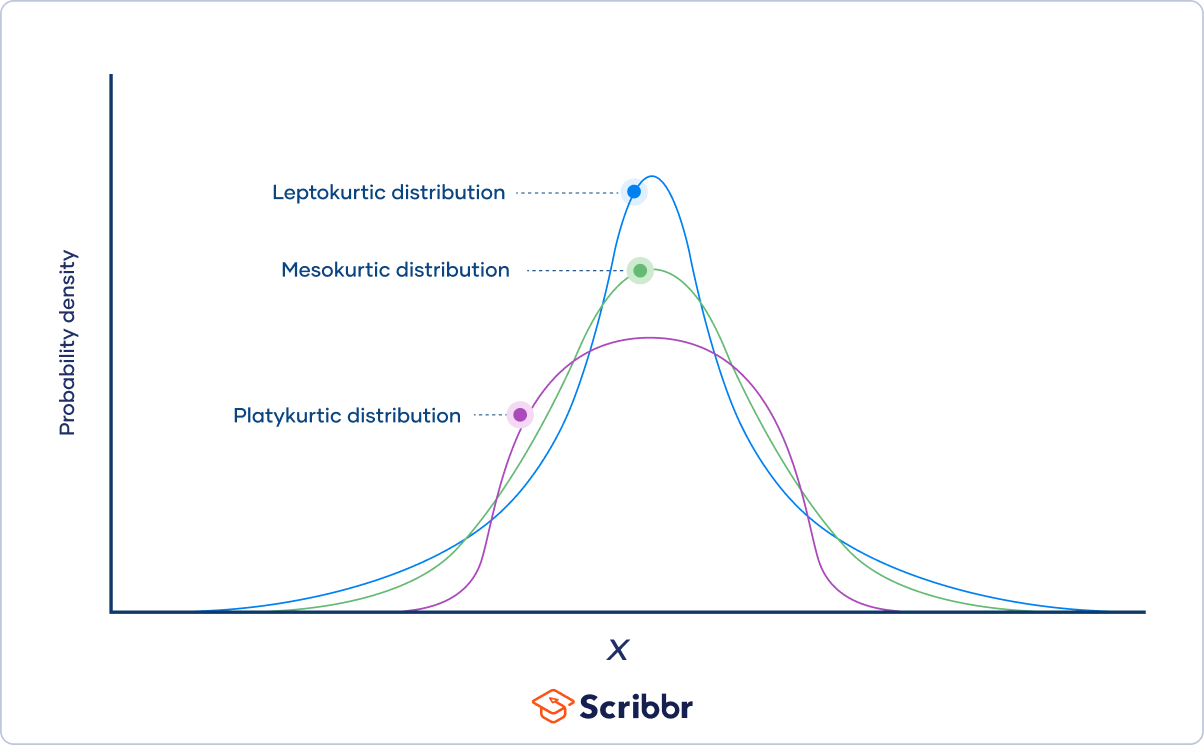](https://www.scribbr.com/wp-content/uploads/2022/07/The-difference-between-skewness-and-kurtosis.webp)
*Visual representation of a normal distribution vs. a distribution with high kurtosis showing tail risk*
Understanding tail risk is crucial for investors to quantify the potential losses of an investment, given their risk tolerance. By accounting for tail risk in their portfolio management strategies, they can better mitigate potential catastrophic losses during market downturns.
## Practical Examples of Tail Risk
The 2008 financial crisis offers a compelling example of the implications of tail risk. The collapse of the US housing market triggered a series of adverse events, including the failure of Lehman Brothers and the ensuing global financial crisis. Consequently, investors witnessed unprecedented losses in their portfolios during this period.
[](https://www.investopedia.com/thmb/HMCFEBHaSf1a-Zyc82DhzyAhT44=/1500x0/filters:no_upscale%28%29:max_bytes%28150000%29:strip_icc%28%29/dotdash_INV-final-Stock-Market-Crash-July-2021-01-88a96c7bec2846dd9986a5777c089417.jpg)
*2008 financial crisis impact on global markets*
A hedge fund, Long-Term Capital Management (LTCM), amassed substantial positions in various assets, relying on mathematical models assuming normal distributions of returns. However, the extreme market conditions during the financial crisis led to catastrophic losses that almost brought down the global financial system. In this instance, LTCM underestimated the negative tail risk of their investments, resulting in devastating consequences.
A second example of tail risk is the Swiss National Bank's (SNB) decision to remove the EUR/CHF floor in 2015. In an attempt to stabilize the Swiss franc following the European debt crisis, the SNB set a minimum exchange rate of 1.20 CHF/EUR. When the SNB discontinued this policy in 2015, the Swiss franc appreciated sharply, causing significant losses for banks and other financial institutions that had not accounted for this tail risk. The decision led to losses totaling approximately 2 billion CHF (USD 2.2 billion) for Deutsche Bank alone.
## Mitigating Tail Risk
Tail risk can be mitigated through various strategies, such as portfolio diversification, options and derivatives, and dynamic asset allocation. By combining these approaches, investors can better protect their investments from extreme market events.
1. Portfolio Diversification:
Investors can manage tail risk through diversification, distributing investments across uncorrelated or negatively correlated assets. This strategy aims to reduce the overall portfolio's sensitivity to specific market conditions or extreme events. By allocating investments across multiple assets, the likelihood of experiencing catastrophic losses diminishes, as some assets may provide a hedge against others during market downturns.
[](https://www.investopedia.com/thmb/BNpkaoCXIUlrmMMI7vrIWCeitw4=/1500x0/filters:no_upscale%28%29:max_bytes%28150000%29:strip_icc%28%29/DiversificationMyth1-5c0584cb46e0fb000164e281)
*Portfolio diversification as a strategy to mitigate tail risk*
2. Options and Derivatives:
Options, futures, and other derivatives can serve as effective tail risk management tools. These instruments can help investors protect their investments from extreme market movements while maintaining exposure to market upswings.
For example, a protective put option can be purchased to hedge against a potential decline in an investor's equity holdings. By buying a put option at a specific strike price, the investor can limit their potential losses if the stock price falls below the option's strike price. Additionally, put options can be used to create a put write strategy, which allows investors to generate income by selling put options at a premium.
3. Dynamic Asset Allocation:
Another approach to managing tail risk is through dynamic asset allocation, adjusting portfolio weights based on changing market conditions. This strategy consists of allocating a greater share of the portfolio to low-risk assets during periods of high volatility or extreme market events. In contrast, during periods of market stability, the portfolio can be adjusted to include higher-risk assets, increasing the potential for higher returns.
[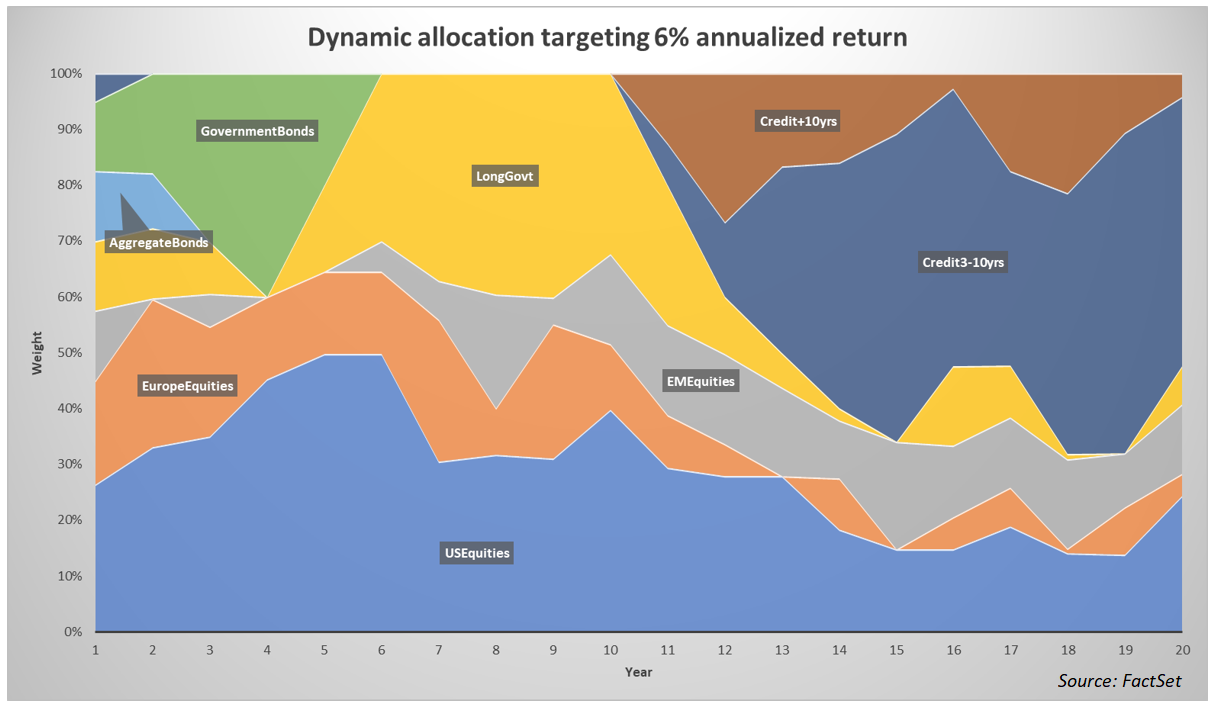](https://insight.factset.com/hs-fs/hubfs/1%29Insight/2022/03.2022/03.21.2022_Dynamic_Asset_Allocation/dynamic-allocation-targeting-six-percent-annualized-return.png?width=1214&name=dynamic-allocation-targeting-six-percent-annualized-return.png)
*Dynamic asset allocation strategy diagram*
## Further Exploration of Tail Risk
The importance of tail risk in investment decisions and risk management cannot be overemphasized. To further explore this topic, consider delving into these related topics and questions:
1. Advanced statistical methods for modeling tail risk ( copulas, extreme value theory, etc.)
2. Volatility modeling and management (GARCH, stochastic volatility, etc.)
3. Risk management of tail events in various financial instruments (options, swaps, etc.)
4. Examining the impact of tail risk and portfolio performance in various markets (real estate, commodities, etc.)
5. Stress testing and scenario analysis for tail risk management
6. Financial regulations and supervision concerning tail risk (Basel III, Dodd-Frank, etc.)
In conclusion, understanding tail risk is of paramount importance for investment professionals and scholars to make informed decisions and develop effective risk management strategies. By incorporating tail risk analysis in investment decision-making, investors can better protect their portfolios from extreme market events and ensure a more resilient investment strategy that withstands adverse market conditions.
Last updated: 2024-04-12
Related Books
Related Knowledges