# Credit Risk Management: Core Concepts and Practical Implications
Credit risk management is a critical aspect of finance and banking, aiming to mitigate the adverse effects of credit risk, or the risk of default by borrowers. Effective credit risk management ensures the safety and soundness of financial institutions, contributes to sustainable economic growth, and protects investors and depositors. This overview delves into the core concepts of credit risk management, drawing on insights from Vineer Bhansali's book, *Tail Risk Hedging*. By examining various examples and applications, we will deepen our understanding of the practical implications of credit risk management and shed light on potential avenues for further exploration.
## Credit Risk Management: A Comprehensive Overview
[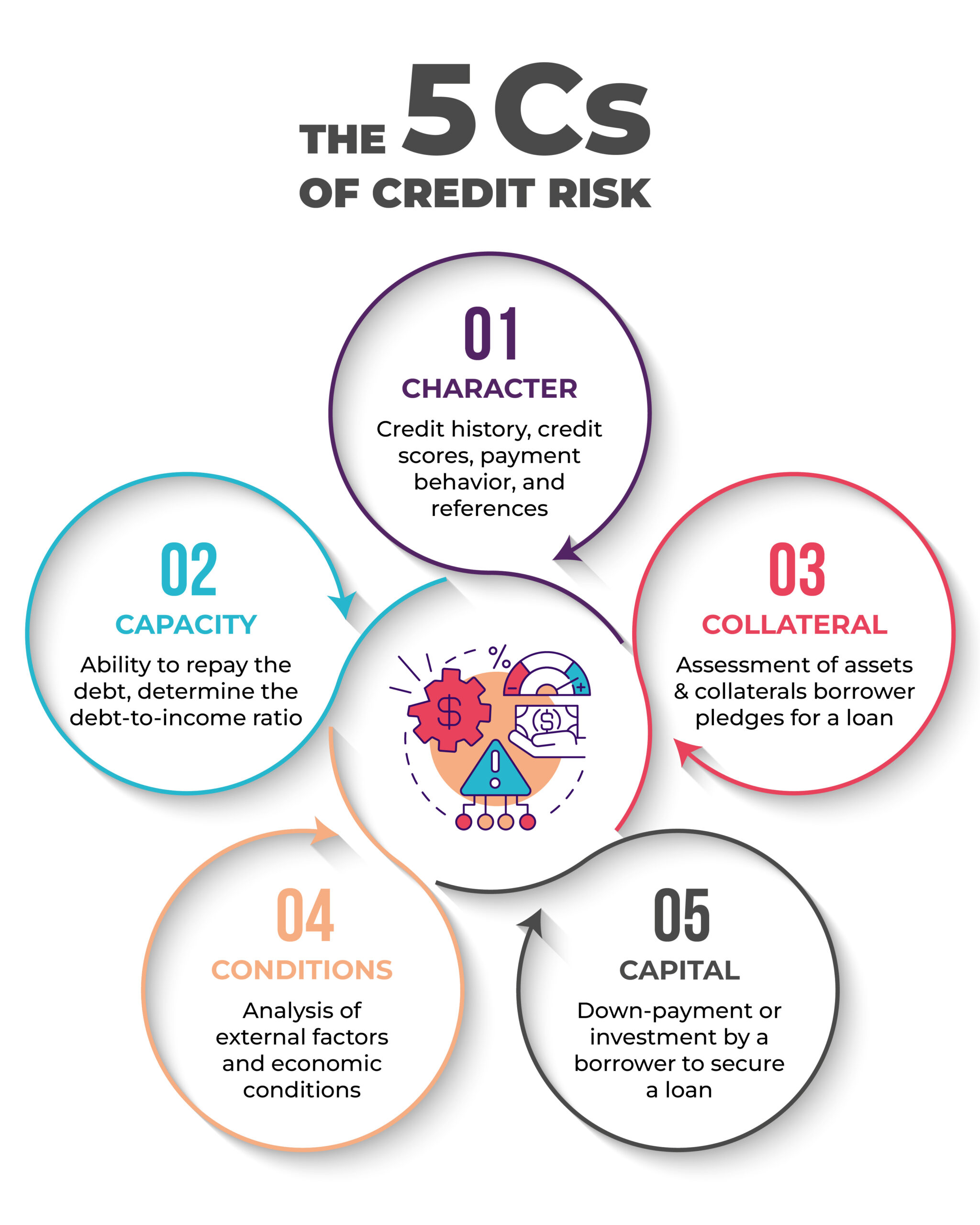](https://www.anaptyss.com/wp-content/uploads/2023/08/The-5-Cs-of-Credit-Risk-scaled.jpg)
*Visual representation of Credit Risk Management process*
Credit risk management involves several key components, including credit assessment, risk measurement, risk mitigation, and risk monitoring.
1. **Credit Assessment**: Credit assessment refers to the process of evaluating a borrower's creditworthiness. This typically entails an analysis of various factors, such as the borrower's financial health, credit history, and industry conditions. Financial institutions often employ credit rating agencies, such as Moody's and Standard & Poor's, to assist in this process.
[](https://www.investopedia.com/thmb/RuscQUhpVto_O4XQgf0Y1GuInTI=/1500x0/filters:no_upscale%28%29:max_bytes%28150000%29:strip_icc%28%29/creditrating-96b308227b64470b80235f66c3ec0ce2.jpg)
*Example of Credit Assessment Criteria*
2. **Risk Measurement**: Risk measurement involves quantifying the potential losses associated with credit risk. Common risk measures include the probability of default (PD), loss given default (LGD), and exposure at default (EAD). PD represents the likelihood of a borrower defaulting on a loan, while LGD signifies the percentage of a loan that would be lost if a default occurred. EAD refers to the outstanding loan balance at the time of default.
[](https://www.investopedia.com/thmb/gaDveb2qm5zmV1yJ4d49hlrdXY4=/1500x0/filters:no_upscale%28%29:max_bytes%28150000%29:strip_icc%28%29/what-factors-are-taken-account-quantify-credit-risk.asp_V2-bfcbf24c1f2f42d1ba639fbfb830e67f.png)
*Illustration of Risk Measurement in Credit Risk*
3. **Risk Mitigation**: Financial institutions employ various risk mitigation techniques to limit their exposure to credit risk. Common strategies include collateralization, diversification, and credit derivatives. Collateralization refers to the use of assets as security for a loan. Diversification involves spreading risk across various borrowers, industries, and geographic regions. Credit derivatives, such as credit default swaps (CDS), allow institutions to transfer credit risk to other parties.
[](https://fastercapital.com/i/Credit-risk--Risk-Management-in-the-Credit-Cycle--Assessing-Credit-Risk--Introduction-to-Credit-Risk-and-Risk-Management.webp)
*Strategies for Risk Mitigation in Finance*
4. **Risk Monitoring**: Risk monitoring involves continuously tracking and analyzing credit risk exposure. This may include stress testing, backtesting, and scenario analysis. Stress testing assesses the potential impact of adverse market conditions on a portfolio, while backtesting evaluates the effectiveness of risk management strategies. Scenario analysis involves examining how a portfolio would perform under various hypothetical scenarios.
[](https://www.investopedia.com/thmb/sIS9w2Bat2KmvnLswU4Nzh9NDrQ=/1500x0/filters:no_upscale%28%29:max_bytes%28150000%29:strip_icc%28%29/stresstesting.asp-final-b2577fb8ba804e1fa1069b8bd96bf3bc.png)
*Methods of Risk Monitoring in Financial Institutions*
## Practical Implications: Case Studies and Applications
### Case Study 1: The 2008 Financial Crisis
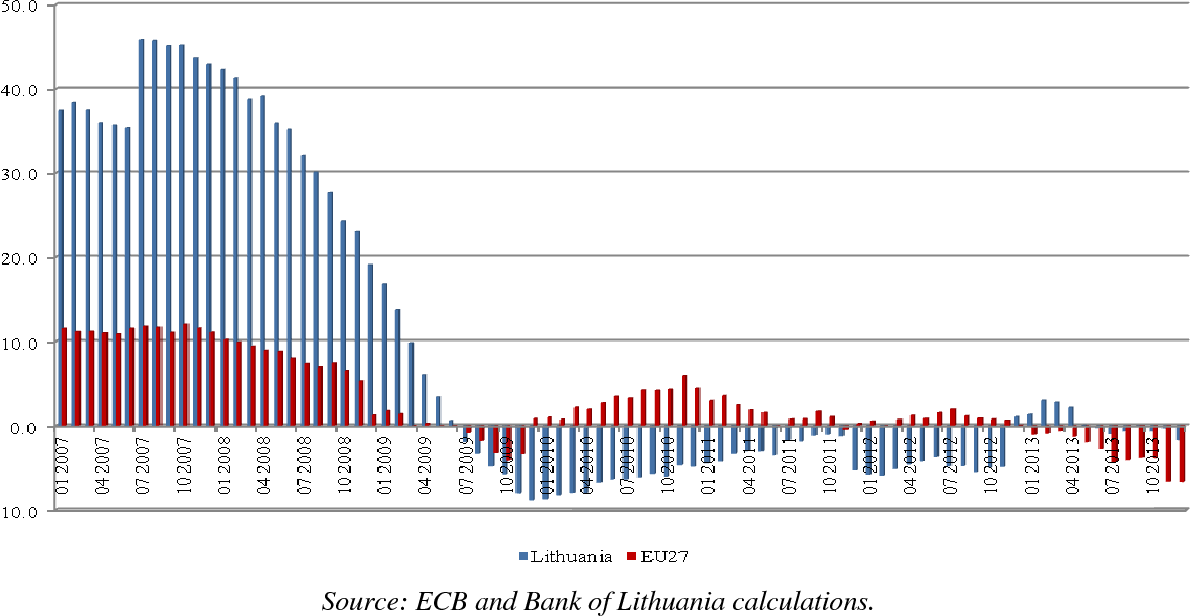
The 2008 financial crisis offers a compelling example of the importance of effective credit risk management. In the years leading up to the crisis, financial institutions engaged in risky lending practices, such as subprime mortgage lending. These practices contributed to the proliferation of toxic assets, which ultimately led to the collapse of several major financial institutions.
[](https://d3i71xaburhd42.cloudfront.net/a2edde448f02775d7d93e7aaabb20d0c39da95ee/8-Figure4-1.png)
*2008 Financial Crisis and Credit Risk Mismanagement*
Financial institutions failed to adequately assess and manage credit risk during this period. Credit assessment was inadequate, as many borrowers lacked the financial resources to repay their loans. Risk measurement was also insufficient, as financial institutions underestimated the likelihood of defaults and the potential losses associated with those defaults. Risk mitigation strategies, such as collateralization and diversification, were inadequate, as they failed to account for the systemic nature of the risk. Consequently, risk monitoring mechanisms, such as stress testing and backtesting, were ineffective in detecting and addressing the growing credit risk.
### Case Study 2: The LTCM Hedge Fund Collapse
Another notable example of credit risk management failure is the collapse of Long-Term Capital Management (LTCM) in 1998. LTCM was a highly leveraged hedge fund that employed complex derivatives strategies. When the Russian financial crisis erupted in 1998, the value of LTCM's assets plummeted, leading to significant losses. As LTCM's creditors demanded repayment, the firm was unable to meet its obligations, ultimately leading to its collapse.
[](https://assets.bwbx.io/images/users/iqjWHBFdfxIU/iOW8ozU2yCoI/v0/-1x-1.jpg)
*The Collapse of LTCM Hedge Fund*
Several factors contributed to LTCM's downfall. First, the firm's credit assessment was flawed, as it underestimated the likelihood of a Russian default and the potential impact on its portfolio. Second, risk measurement was inadequate, as LTCM failed to account for the potential for extreme market movements. Additionally, risk mitigation strategies were ineffective, as LTCM's use of derivatives concentrated, rather than diversified, its risk exposure. Finally, risk monitoring mechanisms were inadequate, as they failed to detect the growing credit risk.
## Conclusion: Synthesizing Key Insights and Exploring Further Avenues
Effective credit risk management is critical to the stability and success of financial institutions. Through a comprehensive understanding of credit risk management concepts, including credit assessment, risk measurement, risk mitigation, and risk monitoring, financial institutions can better protect themselves from the adverse effects of credit risk. Furthermore, by examining historical case studies and applications, we can better appreciate the practical implications of credit risk management and develop strategies to mitigate risk.
For those interested in further exploring credit risk management, several avenues are available. Students might consider pursuing advanced coursework in financial risk management, financial engineering, or quantitative finance. Additionally, professional certifications, such as the Financial Risk Manager (FRM) designation, can provide valuable industry insights and recognition. Finally, engaging in independent study, research, and practical application can foster a deeper understanding of credit risk management and its importance in the financial industry.
Last updated: 2024-04-20
Related Books
Related Knowledges