# Optimal Hedge Ratios: Core Concepts, Practical Implications, and Further Exploration
## Introduction
In finance, the term "hedging" refers to the practice of making an investment to reduce the risk of adverse price movements in an asset. In other words, hedging is used to offset potential losses in an investment by taking an opposite position in a related asset. The hedge ratio plays a vital role in the effectiveness of a hedging strategy. This article will delve into the concept of optimal hedge ratios, their relevance, and practical implications, drawing from the book *Tail Risk Hedging* by Vineer Bhansali.
[](https://www.investopedia.com/thmb/yq5gRz7Cg4wHodcvvSSDrLjj1sk=/1500x0/filters:no_upscale%28%29:max_bytes%28150000%29:strip_icc%28%29/foreignexchangerisk.asp-final2-9472143520d54e5f9ca0d8ea52a4af48.png)
*Understanding Hedging in Finance*
The hedge ratio is the relationship between the number of units of the asset held in the hedging position and the number of units of the asset being hedged. In other words, it represents the quantity of the hedging instrument needed to offset potential losses in the primary asset. Mathematically, the hedge ratio (HR) is represented as:
HR = ΔPosition\_Hedging / ΔPosition\_Primary Asset
[](https://www.investopedia.com/thmb/2vY9ApsGyF81HM2o6ZwcEReJ0Z0=/1500x0/filters:no_upscale%28%29:max_bytes%28150000%29:strip_icc%28%29/HedgeRatio_final-7be2784df9a340728ed86427cccc80ad.png)
*Calculating Hedge Ratio Formula*
## Core Concepts
The optimal hedge ratio is the hedge ratio that minimizes the variance of the tracking error, the difference between the returns of the hedged portfolio and the returns of the theoretical hedged portfolio. Determining the optimal hedge ratio involves examining the relationship between the returns of the two assets. Two primary approaches are used to determine the optimal hedge ratio: the ordinary least squares (OLS) regression method and the minimum variance hedge ratio.
### OLS Regression Method
The OLS regression method involves estimating the slope of the linear regression line between the returns of the hedging instrument and the returns of the primary asset. Mathematically, this is represented as:
Primary Asset Returns = α + β × Hedging Instrument Returns + ε
[](https://www.investopedia.com/thmb/GFDM0kbmQipl9olIp8GPF1FejnI=/1500x0/filters:no_upscale%28%29:max_bytes%28150000%29:strip_icc%28%29/RegressionBasicsForBusinessAnalysis2-8995c05a32f94bb19df7fcf83871ba28.png)
*OLS Regression for Hedge Ratio*
The optimal hedge ratio (β) is the slope of the regression line. This method assumes a linear relationship between the returns of the two assets.
### Minimum Variance Hedge Ratio
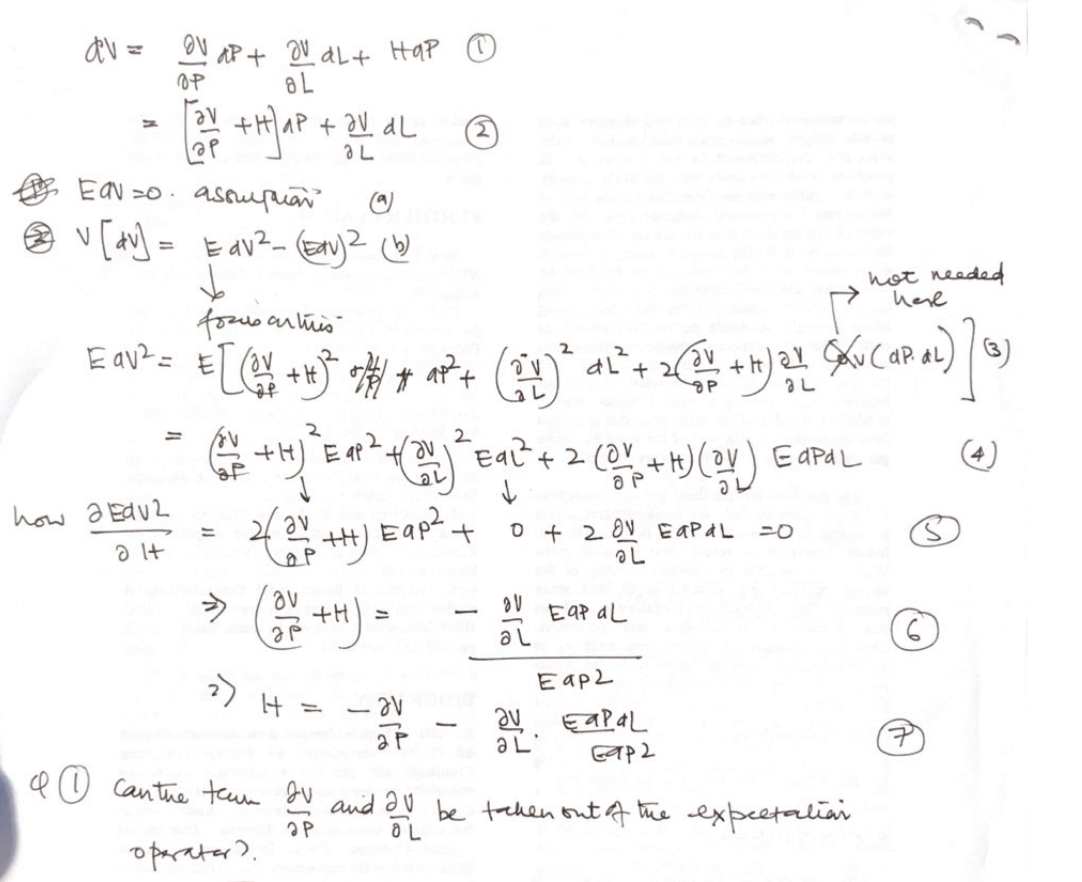
The minimum variance hedge ratio is the hedge ratio that minimizes the variance of the tracking error. This approach involves calculating the variance of the tracking error for different hedge ratios and selecting the hedge ratio with the lowest variance.
[](https://i.stack.imgur.com/DRGwO.png)
*Minimum Variance Hedge Ratio Concept*
## Practical Implications
Understanding optimal hedge ratios enables investors to create more effective hedging strategies, thus reducing risk and enhancing portfolio performance. In the following examples, we will illustrate the practical applications of optimal hedge ratios.
### Example 1: Hedging Equity Portfolios with Futures
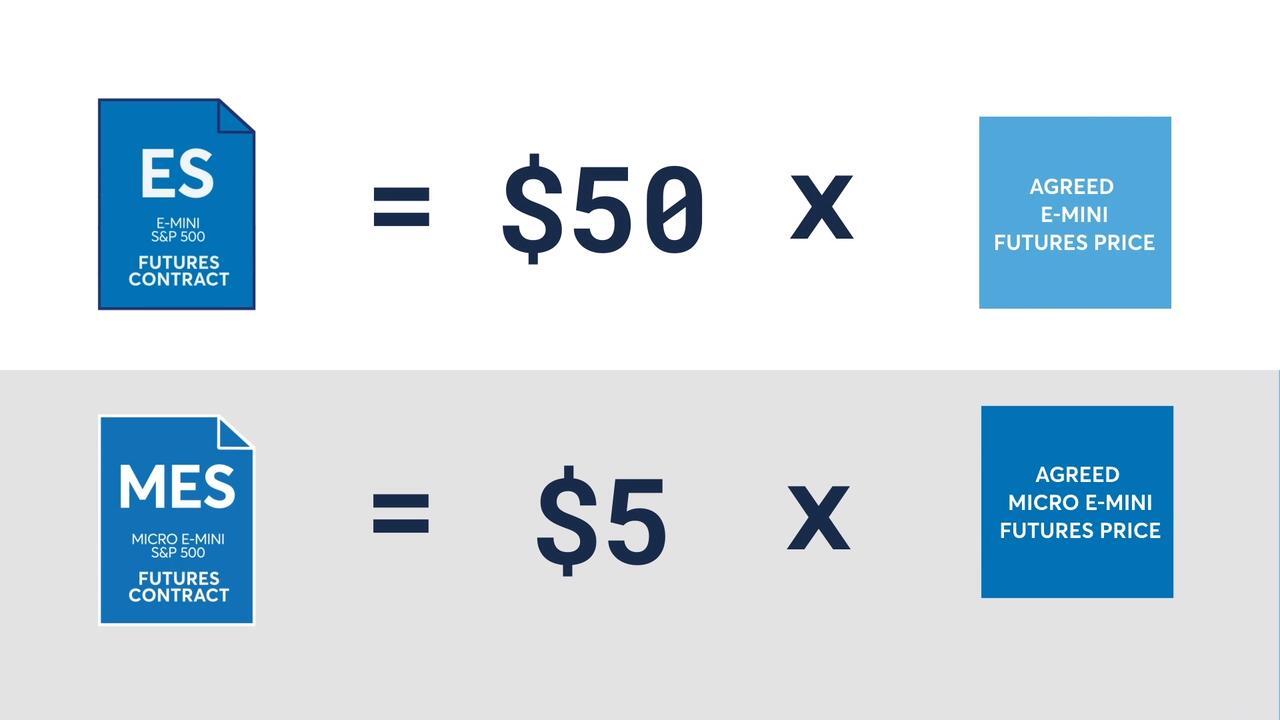
Suppose an investor manages a $10 million equity portfolio focused on the S&P 500 index. They aim to reduce the exposure to market risk. In this case, the investor may use S&P 500 futures contracts to hedge the equity portfolio. To determine the optimal hedge ratio, the investor may regress the returns of the equity portfolio against the returns of the S&P 500 futures. Suppose the result is an optimal hedge ratio of 0.5. In this scenario, the investor would sell $5 million of S&P 500 futures (0.5 × $10 million) to hedge the equity portfolio.
[](https://cf-images.us-east-1.prod.boltdns.net/v1/static/49919183001/2dcae35e-32de-451a-8e8a-d74471da3977/a89781a3-018b-49e7-b2d3-fe68a769334a/1280x720/match/image.jpg)
*Example of Hedging with Futures*
### Example 2: Hedging Interest Rate Risk with Swaps
Consider a pension fund that holds $500 million in long-term fixed-income securities. The fund is exposed to interest rate risk, and the fund manager decides to hedge this risk using interest rate swaps. To calculate the optimal hedge ratio, the fund manager could regress the returns of the fixed-income portfolio against the returns of the interest rate swap index. Suppose the optimal hedge ratio is 1.2. The fund manager would then enter into an interest rate swap agreement worth $600 million (1.2 × $500 million) to hedge the interest rate risk.
[](https://financetrain.sgp1.cdn.digitaloceanspaces.com/2010/09/IRS1.png)
*Interest Rate Swaps Hedging*
## Conclusion
In conclusion, understanding optimal hedge ratios is crucial for constructing effective hedging strategies and managing risk in investment portfolios. By minimizing the variance of the tracking error, investors can create hedged portfolios that are better aligned with their desired risk-return profiles.
To further explore the topic of optimal hedge ratios and tail risk hedging, consider the following extensions:
1. Investigate alternative approaches to determining the optimal hedge ratio, such as the maximum Sharpe ratio method or the method of moments.
2. Investigate the impact of transaction costs and liquidity on optimal hedge ratios and the efficiency of hedging strategies.
3. Explore the application of optimal hedge ratios in different asset classes and markets, such as commodities, currencies, or derivatives.
4. Research the role of optimal hedge ratios in dynamic hedging strategies and the implications for risk management.
5. Assess the implications of non-linear relationships between asset returns and the impact on optimal hedge ratios.
Last updated: 2024-04-19
Related Books
Related Knowledges