# Long-Short Strategies: Hedging Tail Risk
## Introduction
Long-short strategies are central to the practice of portfolio management and risk mitigation. They are particularly relevant to tail risk hedging, which is the practice of managing extreme negative movements in market returns that are statistically improbable but have severe consequences for investors. This article delves into the core concepts of long-short strategies and their relevance in tail risk hedging, drawing from Vineer Bhansali's Tail Risk Hedging.
Long-short strategies involve taking both long and short positions in different securities or asset classes. By going long in a security, an investor profits from its price increase, while short selling enables them to profit from a price decrease. This dual exposure allows investors to hedge against market downturns and generate returns in various market conditions. In tail risk hedging, long-short strategies enable investors to manage extreme shocks that traditional portfolio management approaches fail to address.
[](https://www.shutterstock.com/image-vector/focus-on-short-term-goal-260nw-2164422033.jpg)
*Long-Short Strategy Illustration*
## Long-Short Strategies Applications in Tail Risk Hedging
### Diversification
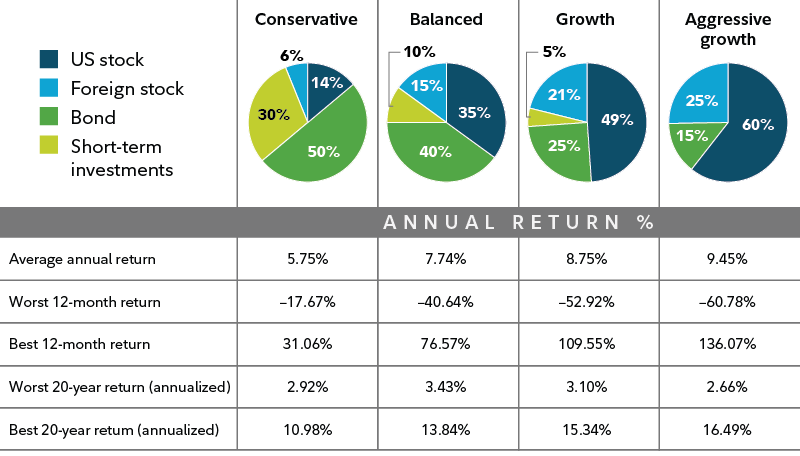
Tail risk hedging with long-short strategies allows for a more diversified portfolio. By investing in both long and short positions, investors can reduce exposure to individual asset classes, which can help mitigate the impact of negative shocks in one market on the overall portfolio. For example, an investor might hold a long position in a stock portfolio while simultaneously holding a short position in a bond portfolio. This way, the investor is partially hedged against a potential stock market crash, as the bond portfolio will, in all likelihood, not move in lockstep with the stock portfolio. In turn, the long bond position would help the investor during times of economic crisis as investors seek safety in bonds, especially government bonds.
[](https://www.fidelity.com/bin-public/600_Fidelity_Com_English/images/migration/callouts/callouts-B/611122_diversification-asset-allocation.png)
*Diversification in Finance*
### Volatility Hedging
Another application of long-short strategies in tail risk hedging is volatility hedging. Volatility hedging aims to reduce the impact of extreme price swings in the portfolio, providing downside protection during market downturns. For instance, an investor could take a long position in a volatility index, such as the VIX, and a short position in a correlated stock or bond portfolio. During periods of market stress, when volatility rises, the VIX position would increase in value, offsetting potential losses in the long position. This approach results in a more stable portfolio that can better withstand market shocks.
[](https://assets.bwbx.io/images/users/iqjWHBFdfxIU/iVSnSUzt.oWk/v2/pidjEfPlU1QWZop3vfGKsrX.ke8XuWirGYh1PKgEw44kE/-1x-1.png)
*Volatility Hedging Illustration*
### Factor-Based Strategies
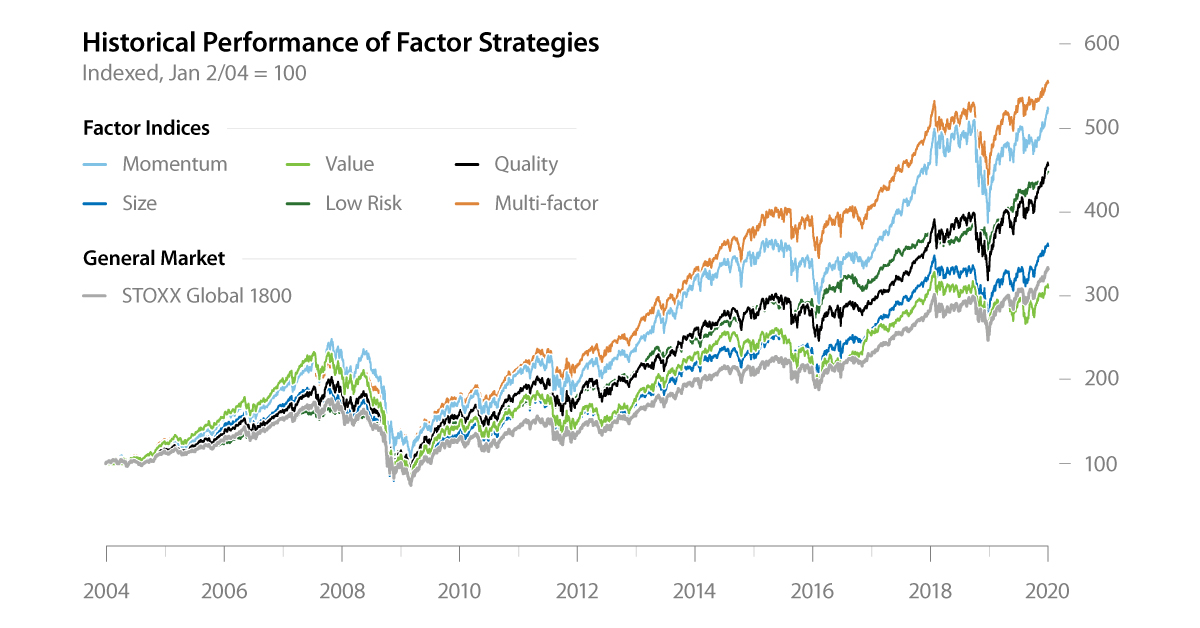
Factor investing is another area where long-short strategies contribute to tail risk hedging. Factor investing involves targeting specific factors, such as value, momentum, or size, to extract returns from the market. Long-short factor-based strategies involve taking long positions in assets exhibiting strong factor characteristics and short positions in those with weak factor characteristics. By doing so, an investor can benefit from factor exposure while simultaneously hedging the adverse effects of underperforming factors.
[](https://www.visualcapitalist.com/wp-content/uploads/2020/01/Stoxx_Historical-Performance_Shareable.jpg)
*Factor Investing Chart*
For example, a long-short value strategy could involve holding a long position in undervalued stocks while holding a short position in overvalued stocks. In a market environment where value investing underperforms, the short position in overvalued stocks reduces the negative impact on the portfolio, thus providing a hedge against tail risk.
## Conclusion
Long-short strategies form the backbone of modern tail risk hedging practices by allowing for diversification, volatility hedging, and factor-based exposure. As investors increasingly grapple with the challenges of managing extreme market movements, understanding and applying long-short strategies becomes crucial for effective risk management.
To further explore long-short strategies and tail risk hedging, consider the following:
1. Delve deeper into the various long-short strategies discussed, such as volatility trading, correlation trading, and option-based strategies.
2. Investigate the role of machine learning and artificial intelligence in tail risk management, including the development of more sophisticated long-short strategies.
3. Examine the impact of different market conditions, such as interest rate environments, geopolitical risks, or inflation, on tail risk hedging and long-short strategies.
4. Consider the limitations and risks associated with long-short strategies, including transaction costs, liquidity constraints, and regulatory considerations.
5. Research case studies of tail risk events and analyze the effectiveness of long-short strategies during these times.
By further investigating long-short strategies in tail risk hedging, you will be better equipped to manage extreme market risks and make more informed investment decisions.
**References**:
Bhansali, V. (2014). Tail Risk Hedging. John Wiley & Sons.
Last updated: 2024-06-25
Related Books
Related Knowledges