# Risk Factors: Unlocking the Core of Tail Risk Hedging
## Introduction
In the world of finance and investment, the concept of risk factors forms the backbone of understanding, quantifying, and managing various sources of uncertainty. The importance of risk factors becomes all the more evident when dealing with extreme but potentially catastrophic events—often termed 'tail risks.' Delving into the intricacies of risk factors is essential for college students eager to explore the depths of finance, investment, and risk management. This discussion will be based on the profound insights from Vineer Bhansali's seminal work, 'Tail Risk Hedging.'
[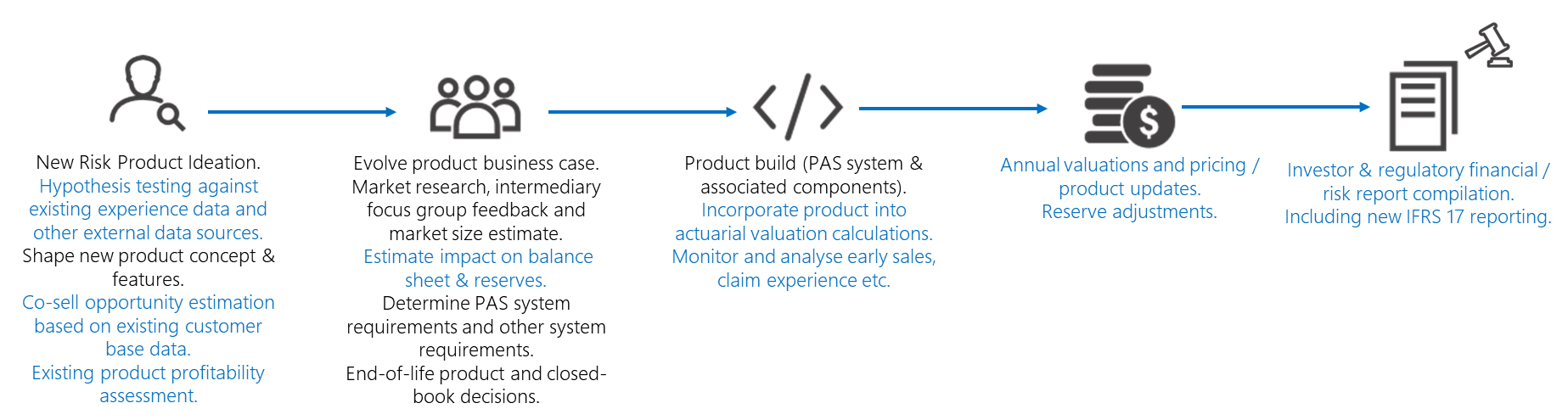](https://learn.microsoft.com/en-us/azure/architecture/industries/finance/images/financial-risk-model/risk-calculation-factors.png)
*Understanding Risk Factors in Finance*
At its core, a risk factor refers to a variable or set of variables that can explain or predict the behavior of asset prices and returns. These factors are often classified into systematic and idiosyncratic components. Systematic risk factors, such as market risk (betA), represent risks to which multiple assets are exposed, while idiosyncratic risks are specific to individual securities.
## Core Concepts and Relevance
Recognizing the importance of tail risk hedging in modern financial markets, Bhansali offers a comprehensive framework for understanding and managing risk factors that drive such extreme events. He highlights three primary tail risk factors—market, flight-to-quality, and liquidity risks—each of which warrants careful examination.
1. **Market risk** (betA): Market risk, or systematic risk, stems from the inherent volatility of financial markets. Market risk, often measured using beta, can lead to substantial losses, especially in the tails of the distribution. It is crucial to account for this factor when devising portfolio strategies and hedging solutions.
2. **Flight-to-quality risk**: During periods of financial distress, investors tend to seek safety in high-quality assets, such as government bonds, at the expense of riskier investments. This behavior not only intensifies market risk but also creates a distinct tail risk: flight-to-quality risk. Asset managers must consider this risk factor when designing hedging strategies to safeguard portfolios against sudden shifts in investor sentiment and risk appetite.
3. **Liquidity risk**: Liquidity risk emerges from the potential inability to buy or sell assets quickly and at stable prices. During financial crises and tail events, market liquidity often vanishes, causing substantial price dislocations and potentially insurmountable losses for investors. Bhansali emphasizes the need for investors and risk managers to account for liquidity risk, particularly when hedging tail events.
[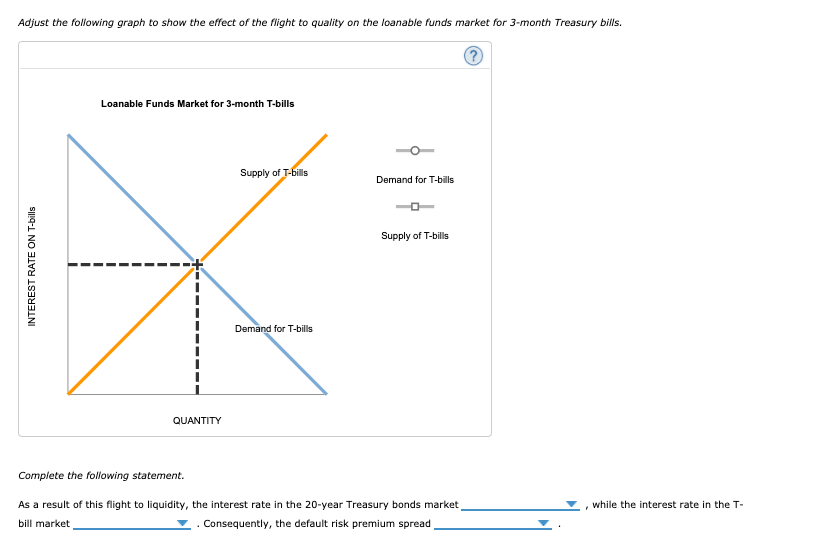](https://media.cheggcdn.com/media/a1c/a1cea256-b48f-4a03-b04d-cc8f5586c4d1/phpiZO1Oa.png)
*Market, Flight-to-Quality, and Liquidity Risks*
## Practical Applications: Illustrative Examples
To further illustrate the practical implications of risk factors in tail risk hedging, consider the following examples:
### Example 1: The 2008 Financial Crisis
During the 2008 financial crisis, the confluence of market, flight-to-quality, and liquidity risks triggered a near-collapse of the global financial system. In the lead-up to the crisis, market risk, as measured through equity betas, steadily rose, hinting at underlying vulnerabilities. As the crisis unfolded, a full-blown flight-to-quality event occurred, causing substantial losses for investors who had neglected this risk factor.
Moreover, the disappearance of market liquidity in critical financial markets exacerbated the chaos. For instance, correlations between assets soared, implying that investors could no longer diversify away risks effectively. In this context, hedging strategies that accounted for these risk factors would have proven invaluable for investors seeking to protect their portfolios against catastrophic losses.
[](https://www.investopedia.com/thmb/HedOqf1apngl4ohRtjQtAUcrlyk=/1500x0/filters:no_upscale%28%29:max_bytes%28150000%29:strip_icc%28%29/financial-crisis.asp-FINAL-a3d7c4d528874a1c9f6c1ba07354cff6.png)
*2008 Financial Crisis Risk Factors*
### Example 2: The COVID-19 Pandemic and Tail Risk Implications
In early 2020, the COVID-19 pandemic swiftly evolved from a health crisis into a global economic shock. Market risk surged as uncertainty grew, and investors faced substantial losses. The crisis also triggered a flight-to-quality event, with investors clamoring for safe-haven assets. Consequently, liquidity risk reared its ugly head, as evidenced by the widening of credit spreads and increased correlations across assets.
In response, policymakers and market participants sought hedging solutions that addressed these risk factors. For instance, the widespread adoption of central bank asset purchase programs aimed to restore liquidity and stabilize financial markets. Meanwhile, portfolio managers rebalanced their allocations to account for flight-to-quality risk and revised their hedging strategies to reflect heightened market risk more accurately.
[](https://wineamerica.org/wp-content/uploads/2020/03/Covid-19-financial-downturn.jpeg)
*COVID-19 Pandemic Economic Impact*
## Conclusion: Key Insights and Further Exploration
The exploration of risk factors in the context of tail risk hedging offers valuable insights for college students and investment professionals alike. Specifically, accounting for systematic risk factors, such as market risk, flight-to-quality risk, and liquidity risk, is essential for constructing robust hedging strategies. By doing so, market participants can better protect their portfolios against tail events and enhance their overall risk management capabilities.
Furthermore, understanding risk factors and tail risk hedging is an evolving endeavor, as financial markets continuously confront new challenges and sources of uncertainty. In this light, college students and practitioners must continue honing their skills and deepening their understanding of these crucial concepts. Potential avenues for exploration may include:
- Investigating novel risk factors, such as environmental, social, and governance (ESG) considerations and their impact on tail risk hedging;
- Examining emerging tail risk hedging tools, like options, swaps, and other derivatives that can be tailored to specific risk factors;
- Developing bespoke risk management frameworks and processes that account for distinct investor preferences, constraints, and objectives.
By delving into these topics and building upon the foundation provided by Vineer Bhansali's 'Tail Risk Hedging,' students can expand their knowledge, contribute meaningfully to the field, and ultimately bolster their careers in finance, investment, and risk management.
Last updated: 2024-04-17
Related Books
Related Knowledges