# Tail Risk Hedges: Concepts, Applications, and Future Exploration
In the world of finance and investing, managing risk is a crucial aspect that cannot be overlooked. One of the most significant risks that investors face is the occurrence of extreme events or "tail risks." These events are low-probability, high-impact occurrences that can lead to substantial losses. Tail risk hedging is a strategy designed to protect portfolios against these extreme events. This article delves into the concept of tail risk hedges, providing detailed explanations, examples, and suggesting avenues for further exploration.
[](https://www.investopedia.com/thmb/EmYaUIvKu6ZoJORUu3U0vFnRhAE=/1500x0/filters:no_upscale%28%29:max_bytes%28150000%29:strip_icc%28%29/Clipboard01-5c684fb046e0fb0001f0e38b.jpg)
*An illustration of a market downturn and the concept of tail risks.*
## Introduction to Tail Risk Hedges
Tail risk hedging is a risk management approach that aims to reduce the impact of extreme market movements on investment portfolios. By implementing tail risk hedges, investors can protect their investments from significant losses that may occur due to unforeseen events such as financial crises, geopolitical tensions, or natural disasters.
Tail risk hedges involve purchasing financial instruments, known as "hedges," that are expected to increase in value during market downturns. These hedges can be divided into two categories: (1) option-based hedges and (2) alternative risk premia hedges. Option-based hedges typically involve purchasing put options, which provide the right to sell an asset at a predetermined price. Alternative risk premia hedges, on the other hand, involve investing in assets that have a low correlation with traditional stock and bond markets, such as trend-following strategies or volatility-based strategies.
[](https://www.pimco.com/eu/en/-/media/global-assets/resources/education/hedging-for-different-market-scenarios/pimco_hedging_for_different_market_scenarios_twitter_1600x900_58109.ashx)
*A diagram showing the difference between option-based hedges and alternative risk premia hedges.*
## Examples of Tail Risk Hedges
To illustrate the practical implications of tail risk hedges, let's consider two examples:
### Example 1: Purchasing Put Options
Assume an investor manages a $10 million equity portfolio and is concerned about the potential impact of a market downturn. To hedge against this risk, the investor purchases put options on the S&P 500 index with a strike price of 3,000 and a one-year expiration. If the S&P 500 index falls below 3,000 within the next year, the put options will increase in value, offsetting some of the losses in the equity portfolio.
### Example 2: Investing in a Trend-Following Strategy
Assume an investor manages a diversified portfolio consisting of both stocks and bonds. The investor is concerned about the potential impact of a sharp downturn in either asset class. To hedge against this risk, the investor allocates 10% of the portfolio to a trend-following strategy. The trend-following strategy involves investing in assets that have been increasing in value and shorting those that have been decreasing in value. In the event of a market downturn, the trend-following strategy is expected to generate positive returns, thereby reducing the overall impact on the portfolio.
[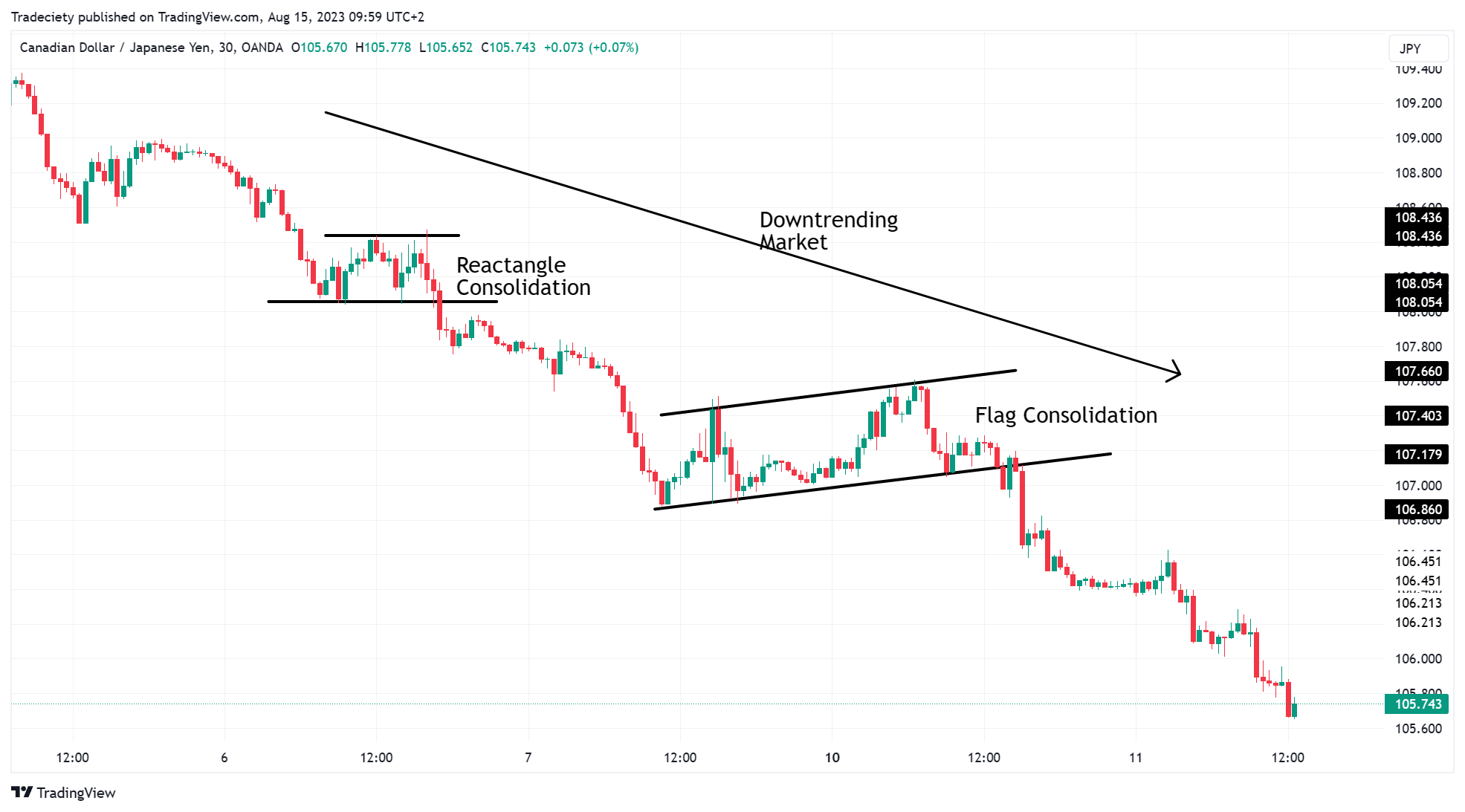](https://tradeciety.com/hs-fs/hubfs/CADJPY_2023-08-15_09-58-33.png?width=1971&height=1093&name=CADJPY_2023-08-15_09-58-33.png)
*Example of a trend-following strategy chart.*
## Key Insights and Future Exploration
Tail risk hedging is an essential risk management strategy for investors seeking to protect their portfolios from extreme market events. By implementing tail risk hedges, investors can limit their exposure to significant losses and potentially improve their overall risk-adjusted returns.
When considering tail risk hedges, it is crucial to weigh the potential benefits against the costs. Hedging strategies often involve purchasing financial instruments that require an upfront premium, which can be substantial for option-based hedges. Additionally, alternative risk premia hedges may involve investing in assets with lower liquidity and higher volatility than traditional stocks and bonds. As such, investors should carefully evaluate the trade-offs and consider their unique investment objectives, risk tolerance, and time horizon before implementing tail risk hedges.
For further exploration of the topic, investors may consider the following:
1. Researching alternative tail risk hedging strategies, such as dynamic hedging, principal protected notes, or tail risk indices.
2. Analyzing the historical performance of various tail risk hedging strategies during different market cycles and extreme events.
3. Evaluating the impact of tail risk hedging on portfolio diversification and overall risk-adjusted returns.
4. Exploring the role of tail risk hedging in different investment strategies, such as factor investing or smart beta strategies.
In conclusion, tail risk hedging is a critical risk management approach for investors seeking to protect their portfolios from extreme market events. By understanding the concepts, applications, and future exploration of tail risk hedges, investors can make more informed decisions and potentially enhance their long-term investment outcomes.
Last updated: 2024-06-25
Related Books
Related Knowledges