Brain-like Computing: A New Era of Intelligent Systems
=====================================================
Introduction
------------
[](https://wp.dailybruin.com/images/2020/01/DB_4_edit.jpg)
*Conceptual illustration of brain-like computing*
Brain-like computing is an emerging field of research that aims to develop intelligent systems capable of emulating the human brain's cognitive abilities. By combining neuroscience, computer science, and engineering, this new paradigm seeks to overcome the limitations of traditional computing architectures and pave the way for a new generation of smart devices.
This concept is prominently discussed in Ray Kurzweil's book "The Singularity Is Near," in which Kurzweil predicted the exponential growth of technology and the merging of human and machine intelligence. Brain-like computing plays a significant role in this vision, providing a framework for developing artificial general intelligence (AGI) and enabling the realization of the technological singularity.
Core Concepts and Relevance
--------------------------
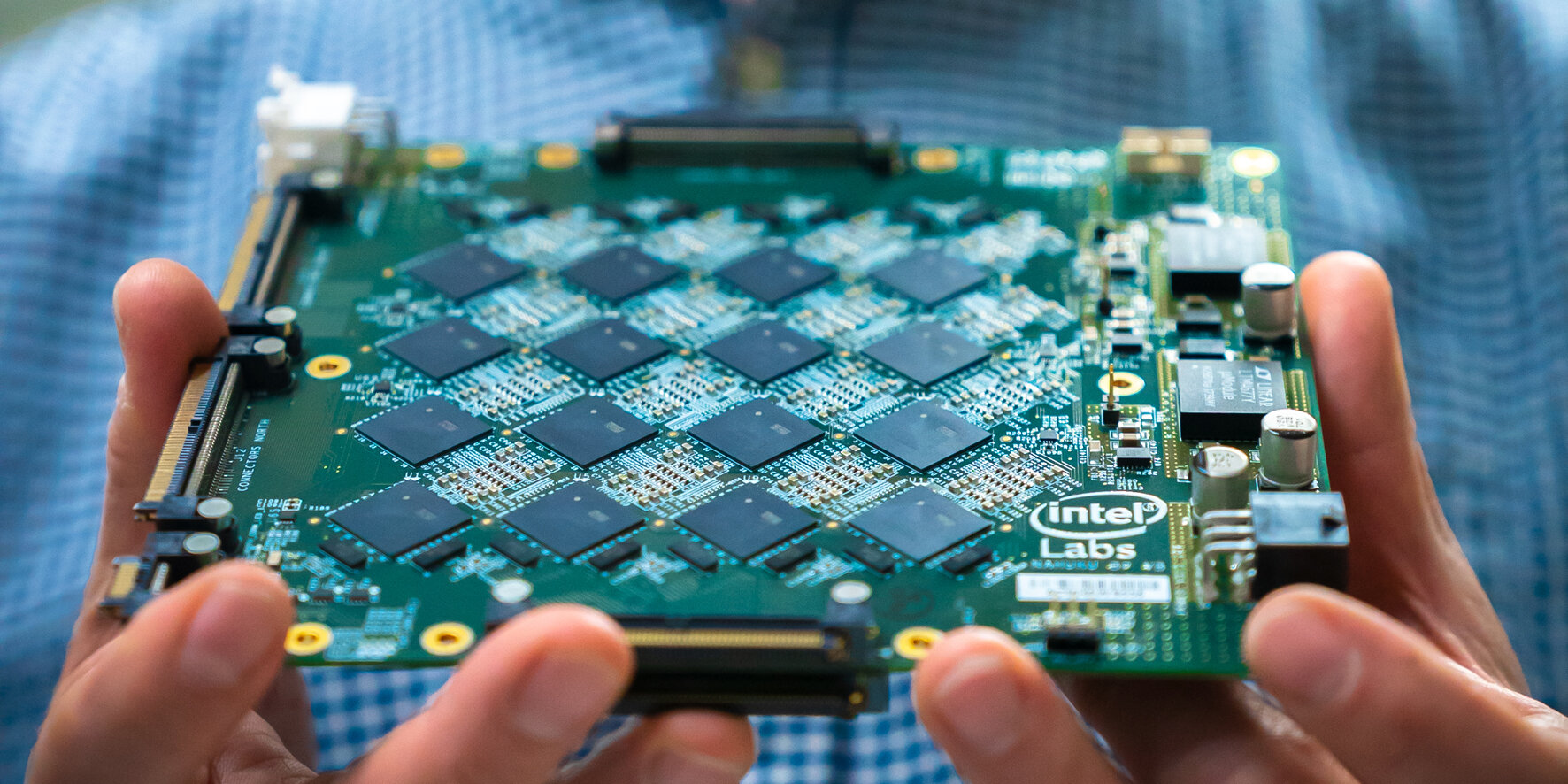
The relevance of brain-like computing lies in its potential to address the limitations of classical von Neumann architectures, which separate the processing and memory units. In contrast, brain-like architectures integrate these functions, thereby reducing communication latency and energy consumption. This integration is achieved through the development of *neuromorphic computing* systems, which create artificial neural networks that mimic the structure and function of the human brain.
[](https://scx2.b-cdn.net/gfx/news/hires/2022/a-neuromorphic-computi.jpg)
*Neuromorphic computing chip*
Neuromorphic computing is based on the following core principles:
1. **Neural Structures:** Recreating the brain's neural structure involves the use of artificial neurons interconnected through synapses to form complex networks.
2. **Synaptic Plasticity:** Modeling the brain's ability to adapt and learn, synaptic plasticity refers to the capacity of synapses to strengthen or weaken their connections in response to patterns of activity.
3. **Parallelism:** Neuromorphic systems process multiple inputs simultaneously, enabling high-speed data processing and low-energy consumption for complex computations.
Examples and Applications
------------------------
### 1. Autonomous Vehicles
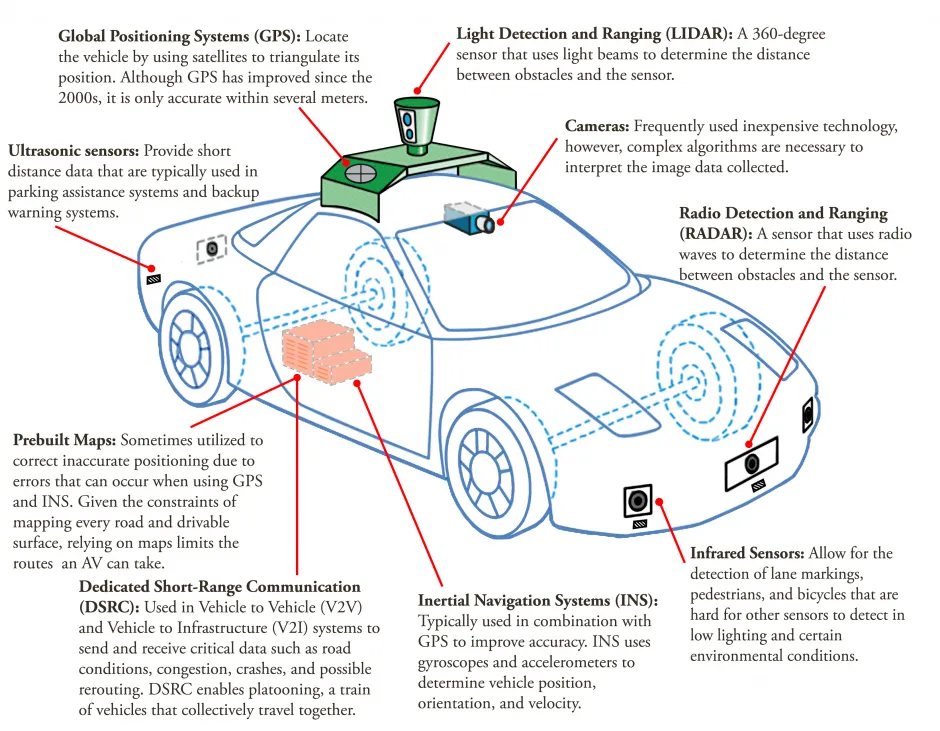
Brain-like computing has the potential to revolutionize the development of autonomous vehicles by enhancing their sensing, learning, and decision-making capabilities. By integrating convolutional neural networks and spiking neural networks, autonomous systems can simultaneously process visual data, predict trajectories of objects, and optimize driving strategies. This multi-modal fusion combines the strengths of traditional machine learning with the adaptability of brain-inspired architectures, resulting in safer, more efficient, and reliable autonomous transportation systems.
[](https://css.umich.edu/sites/default/files/styles/full_content/public/figure_2_autonomous%20vehicle%20technologies.jpg.webp?itok=EPad1wHm)
*Autonomous vehicle technology*
### 2. Personalized Robotics and Human-Computer Interaction
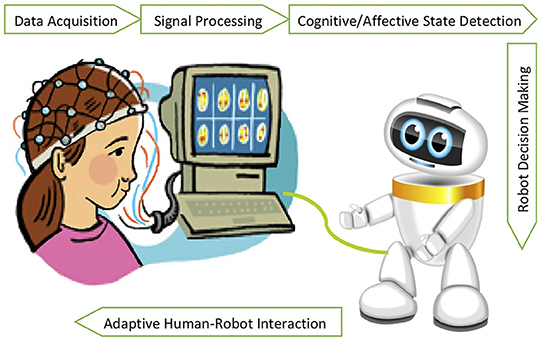
Brain-like computing can significantly enhance the interaction between humans and robotic systems. By emulating the human nervous system and incorporating context-awareness mechanisms, brain-like architectures can dynamically adapt a robot's response and predict user preferences. This adaptive behavior fosters a more natural and intuitive interaction between humans and robots, enabling the deployment of personalized assistive robots in healthcare, education, entertainment, and daily life.
[](https://www.frontiersin.org/files/Articles/540599/frobt-07-00125-HTML/image_m/frobt-07-00125-g001.jpg)
*Personalized robotics and human-computer interaction*
### 3. Edge Computing and Internet of Things (IoT)
Brain-like computing applications also extend to the Internet of Things, where data-intensive IoT devices can benefit from low-power edge computing solutions. By implementing brain-like architectures at the edge, near-sensor processing can reduce the communication and storage overhead while maintaining real-time decision-making capabilities. This local processing can improve the efficiency, reliability, and security of IoT networks, enabling the development of smarter cities, homes, and industries.
[](https://bytebeam.io/blog/content/images/2023/09/Frame-126--1-.png)
*Edge computing in IoT*
Key Insights and Further Exploration
-------------------------------------
Brain-like computing represents a new era of intelligent systems by integrating neuroscience with computer science and engineering. The following key insights pave the way for further exploration of this emerging field:
1. Neuromorphic computing addresses the limitations of von Neumann architectures by integrating processing and memory units, thereby reducing latency and energy consumption.
2. Implementing brain-like architectures in autonomous systems, robotic systems, and IoT devices can significantly enhance their cognitive abilities, adaptability, and performance.
3. Collaboration and cross-disciplinary research among neuroscientists, computer scientists, and engineers are crucial in advancing brain-like computing and realizing the vision of artificial general intelligence.
To further explore brain-like computing, consider studying the latest research in neuromorphic computing, the growing applications of artificial neural networks, and the convergence of neuroscience and AI. Additionally, engage in practical learning opportunities, such as participating in online courses or competitions, and contribute to open-source projects to deepen your understanding of this fascinating field.
Last updated: 2024-11-27
Related Books

Related Knowledges