Nanobots and AI: The Future of Technology and Medicine
=====================================================
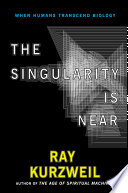
In his groundbreaking book "The Singularity Is Near," Ray Kurzweil explores the future of technology and its impact on humanity. A central idea in the book is the concept of nanobots and artificial intelligence (AI). This article will delve into the core concepts of nanobots and AI, their relevance, and practical implications.
Core Concepts and Relevance
----------------------------
Nanobots are tiny robots that can perform tasks at a molecular or cellular level. They are typically measured in nanometers (one billionth of a meter), making them incredibly small and capable of operating within the human body. AI, on the other hand, refers to the simulation of human intelligence in machines that are programmed to think and learn like humans.

*Illustration of a nanobot working at a cellular level*

*Example of artificial intelligence (AI) concept*
The relevance of nanobots and AI lies in their potential to revolutionize various industries, including healthcare, manufacturing, and environmental conservation. By combining nanobots and AI, we can create intelligent machines capable of performing complex tasks with unprecedented precision and efficiency.
Examples and Applications
------------------------
### Medical Applications
One of the most promising applications of nanobots and AI is in the field of medicine. Nanobots can be programmed to perform various medical tasks, such as targeted drug delivery, cancer treatment, and even repairing damaged tissue.
For instance, nanobots can be designed to seek out and destroy cancer cells in the body. These nanobots can be programmed to recognize cancer cells based on their unique molecular markers, making them highly effective at targeting and eliminating cancer cells while leaving healthy cells unharmed.

*Nanobots in medicine for targeted drug delivery*
Another potential application of nanobots and AI in medicine is in the field of regenerative medicine. Nanobots can be used to stimulate the growth of new tissue, making it possible to repair or replace damaged organs and tissues. For example, nanobots can be programmed to stimulate the growth of new blood vessels, making it possible to repair damaged hearts or treat peripheral artery disease.
### Environmental Conservation
Nanobots and AI can also be used to address some of the most pressing environmental challenges facing our planet. For instance, nanobots can be used to clean up oil spills, remove pollutants from the air and water, and even help restore damaged ecosystems.
One example of this is the use of nanobots to clean up oil spills. These nanobots can be programmed to seek out and break down oil molecules, making it possible to quickly and efficiently clean up oil spills without causing further damage to the environment.

*Nanobots used in environmental conservation*
Another potential application of nanobots and AI in environmental conservation is in the field of renewable energy. Nanobots can be used to improve the efficiency of solar panels, making it possible to generate more electricity from the same amount of sunlight.
### Manufacturing
Nanobots and AI can also be used to improve the manufacturing process. For instance, nanobots can be used to create new materials with unique properties, such as superconductors, that can be used to create more efficient and durable products.
One example of this is the use of nanobots to create new materials for the aerospace industry. Nanobots can be used to create lightweight, superstrong materials that can be used to build aircraft and spacecraft that are more fuel-efficient and durable than traditional materials.

*Nanobots in the manufacturing process*
Conclusion
----------
In conclusion, nanobots and AI have the potential to revolutionize various industries, including healthcare, environmental conservation, and manufacturing. By combining these two technologies, we can create intelligent machines capable of performing complex tasks with unprecedented precision and efficiency.
As we continue to explore the potential of nanobots and AI, it is essential to consider the ethical implications of these technologies. For instance, we must ensure that nanobots and AI are used responsibly and ethically, and that they are not used to harm individuals or the environment.
To further explore the topic of nanobots and AI, I would recommend reading "The Singularity Is Near" by Ray Kurzweil, as well as other books and articles on the subject. Additionally, I would encourage students to explore the many online resources available on this topic, including academic papers, blogs, and forums.
By continuing to explore the potential of nanobots and AI, we can unlock a world of possibilities and create a brighter future for all.
Last updated: 2024-03-19
Related Books
Related Knowledges