The Future of Humanity: Preparing for the Technological Singularity
==================================================================
Introduction
------------
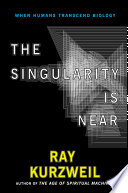
The concept of the 'Future of Humanity' has been a topic of fascination and debate for scholars, researchers, and philosophers alike. With the rapid advancement of technology, the world is on the brink of a significant transformation that will redefine the very essence of human existence. In his groundbreaking book 'The Singularity Is Near', Ray Kurzweil, a renowned inventor, and futurist, delves into the impending technological singularity and its implications for the future of humanity.
[](https://cdn.prod.website-files.com/65609ce2416c64f555c148c4/65edfc5230aa8a9b6036bac1_Ray_Kurzweil.webp)
*Ray Kurzweil*
The Technological Singularity
-----------------------------
[](https://cdn.botpenguin.com/assets/website/Technological_Singularity_60fafe9819.webp)
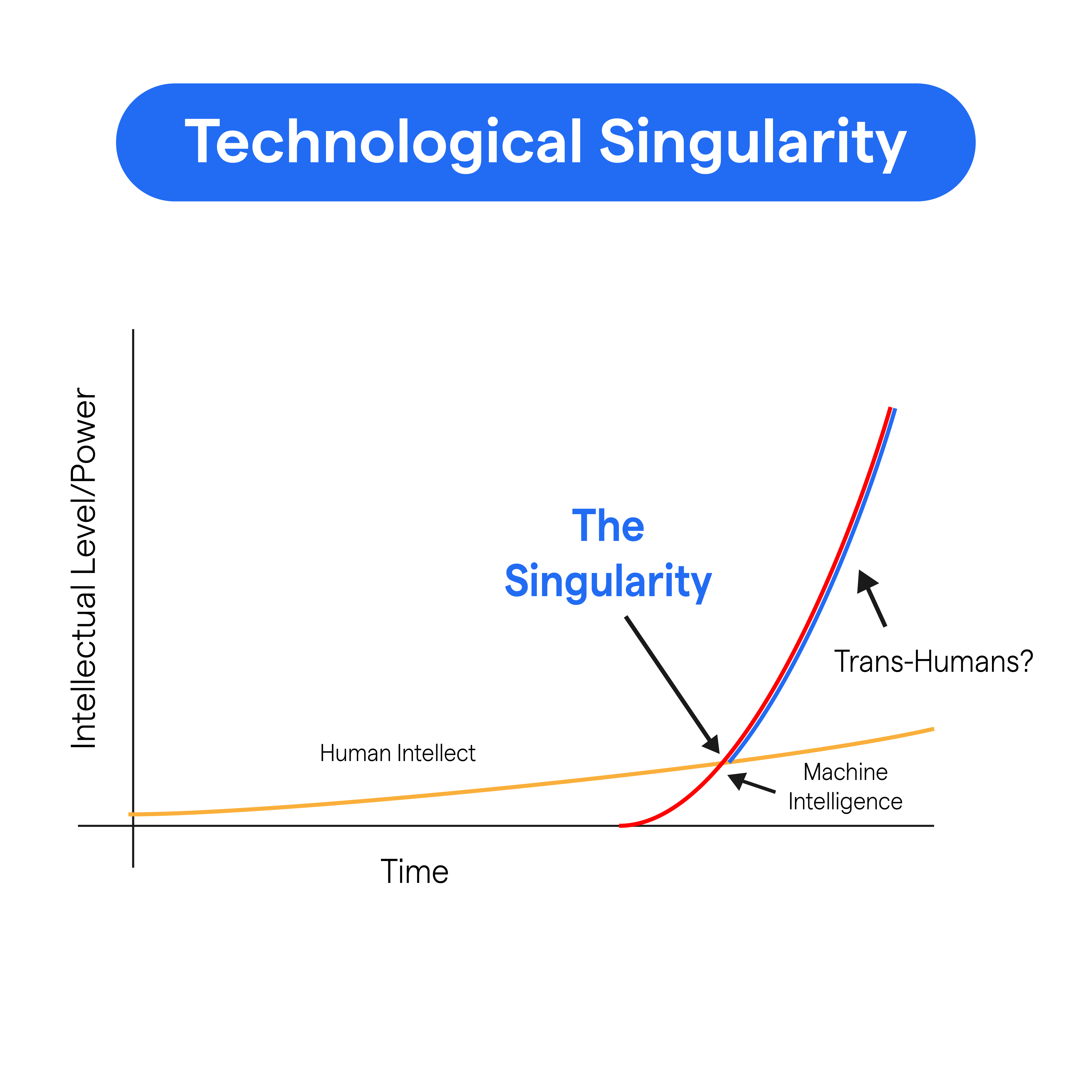
*Technological Singularity Concept*
The technological singularity refers to a hypothetical future point in time when technological growth becomes uncontrollable and irreversible, resulting in unforeseeable changes to human civilization. This phenomenon is driven by the exponential growth of artificial intelligence (AI), biotechnology, nanotechnology, and other emerging technologies.
Kurzweil argues that the singularity is near, and it will bring about a paradigm shift in human evolution. As machines surpass human intelligence, they will design even more intelligent machines in a self-perpetuating cycle of rapid advancement. This exponential growth will ultimately lead to the merging of human and machine intelligence, creating a new phase of existence.
Practical Implications
----------------------
### 1. Artificial Intelligence and the Job Market
[](https://wol.iza.org/uploads/articles/694/images/Drydakis-GA-verbessert.png)
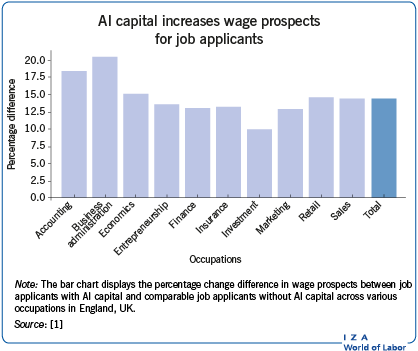
*AI Impact on Jobs*
The rise of AI has already begun to impact the job market, with automation and machine learning replacing many manual and repetitive tasks. While this may lead to job displacement in certain sectors, it also opens up opportunities for new types of jobs and industries. As machines become increasingly intelligent, humans will need to adapt by focusing on skills that complement and leverage AI capabilities.
For instance, the healthcare industry is poised for significant transformation, with AI-powered diagnostic tools and personalized medicine. This shift will require healthcare professionals to develop new skills and adapt to working alongside AI systems.
### 2. Longevity and Transhumanism
[](https://cdn.iai.tv/assets/Uploads/_resampled/FillWzExNjgsNDAwXQ/Transhumanism-and-enhanced-longevity-risks-a-new-age-of-inequality.webp)
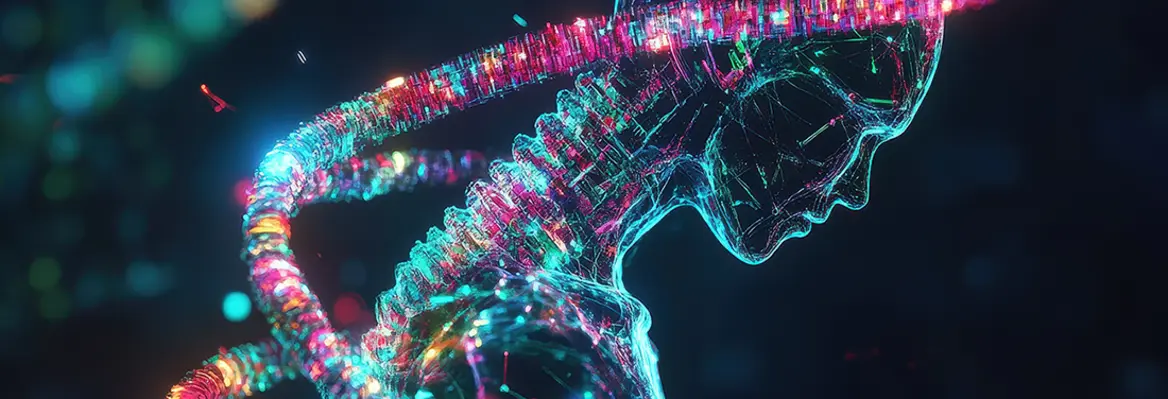
*Transhumanism and Longevity*
Kurzweil predicts that the singularity will bring about a significant increase in human lifespan, as biotechnological advancements enable the repair and rejuvenation of human cells, tissues, and organs. This concept, known as transhumanism, challenges traditional notions of human mortality and identity.
For college students, understanding the implications of transhumanism means considering the ethical, social, and philosophical questions surrounding human enhancement and the definition of humanity.
### 3. Education and Lifelong Learning
[](https://www.institutedata.com/wp-content/uploads/2023/08/Embracing-the-future-of-higher-education-lifelong-learning-reskilling.png)
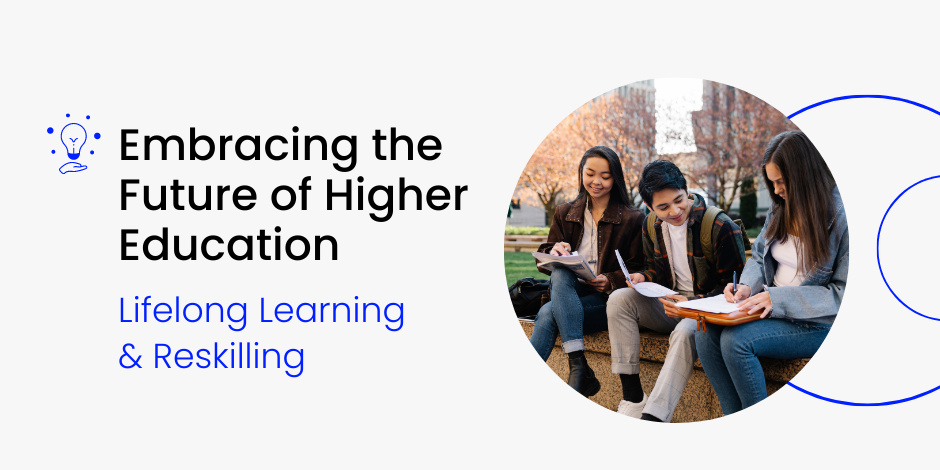
*Education and Lifelong Learning*
As technology advances at an unprecedented pace, the traditional education system must adapt to prepare students for a rapidly changing world. Lifelong learning and continuous skill development will become essential for individuals to stay relevant and competitive in the job market.
College students should embrace the idea of being lifelong learners, constantly updating their skills and knowledge to adapt to emerging technologies and industries.
Conclusion
----------
The future of humanity, as described by Ray Kurzweil in 'The Singularity Is Near', presents both opportunities and challenges. As we stand on the precipice of a technological revolution, it is crucial for college students to engage with these ideas and consider their implications.
By understanding the potential impact of the singularity, students can begin to prepare for the future by developing the skills and mindset necessary to thrive in a rapidly changing world. Through critical thinking, adaptability, and a commitment to lifelong learning, students can help shape the future of humanity and ensure a prosperous and equitable society for all.
Further Exploration
-------------------
* Delve deeper into the ethical implications of the singularity by researching and discussing topics such as AI ethics, data privacy, and the digital divide.
* Explore the role of education in preparing for the singularity by researching and analyzing innovative educational models and strategies.
* Engage in interdisciplinary discussions and debates to examine the social, economic, and political consequences of the singularity.
* Consider the potential risks and benefits of emerging technologies by evaluating case studies and real-world examples.
By engaging in these activities, college students can develop a nuanced understanding of the future of humanity and contribute to the ongoing conversation about the role of technology in shaping our collective future.
Last updated: 2025-10-25
Related Books
Related Knowledges