# Digitally Stored Memories: Extending Human Cognition through Technology
## Introduction
In his groundbreaking book, *The Singularity Is Near*, Ray Kurzweil explores the potential of technology to enhance and transform human capabilities. Among the various topics discussed in the book, one of the most significant and thought-provoking is the concept of digitally stored memories. This knowledge point delves into the idea of using technology to extend human cognition by storing and managing our memories in a digital format.
[](https://m.media-amazon.com/images/M/MV5BMjA5MDc0ODk2MV5BMl5BanBnXkFtZTcwNDU3Njk0MQ@@._V1_.jpg)
*Ray Kurzweil presenting ideas*
At its core, digitally stored memories involve the conversion of our thoughts, experiences, and knowledge into a digital format that can be preserved, accessed, and shared electronically. This innovation holds the promise of revolutionizing the way we think, learn, and interact with information, potentially leading to significant improvements in our personal and professional lives.
In this educational content, we will delve deeper into the concept of digitally stored memories, discussing its core concepts, practical implications, and potential applications. We will also provide engaging examples and thought-provoking questions to help college students grasp the significance and potential of this technology.
## The Concept of Digitally Stored Memories
To better understand the concept of digitally stored memories, consider the following key ideas:
1. **Digital representation of information:** At its most fundamental level, digitally stored memories involve the transformation of analog information (e.g., thoughts, experiences, and emotions) into a digital format that can be processed, stored, and accessed electronically.
2. **Preservation and durability:** Digitally stored memories can be preserved for extended periods, ensuring the longevity of our thoughts, experiences, and knowledge. This feature contrasts with human memory, which is prone to degradation over time.
3. **Accessibility and sharing:** Digitally stored memories can be easily accessed and shared, enabling collaborative learning, communication, and problem-solving.
4. **Enhancement and augmentation:** Digitally stored memories can be combined with other technologies, such as artificial intelligence and virtual reality, to create more powerful cognitive tools that augment human cognition and decision-making abilities.
[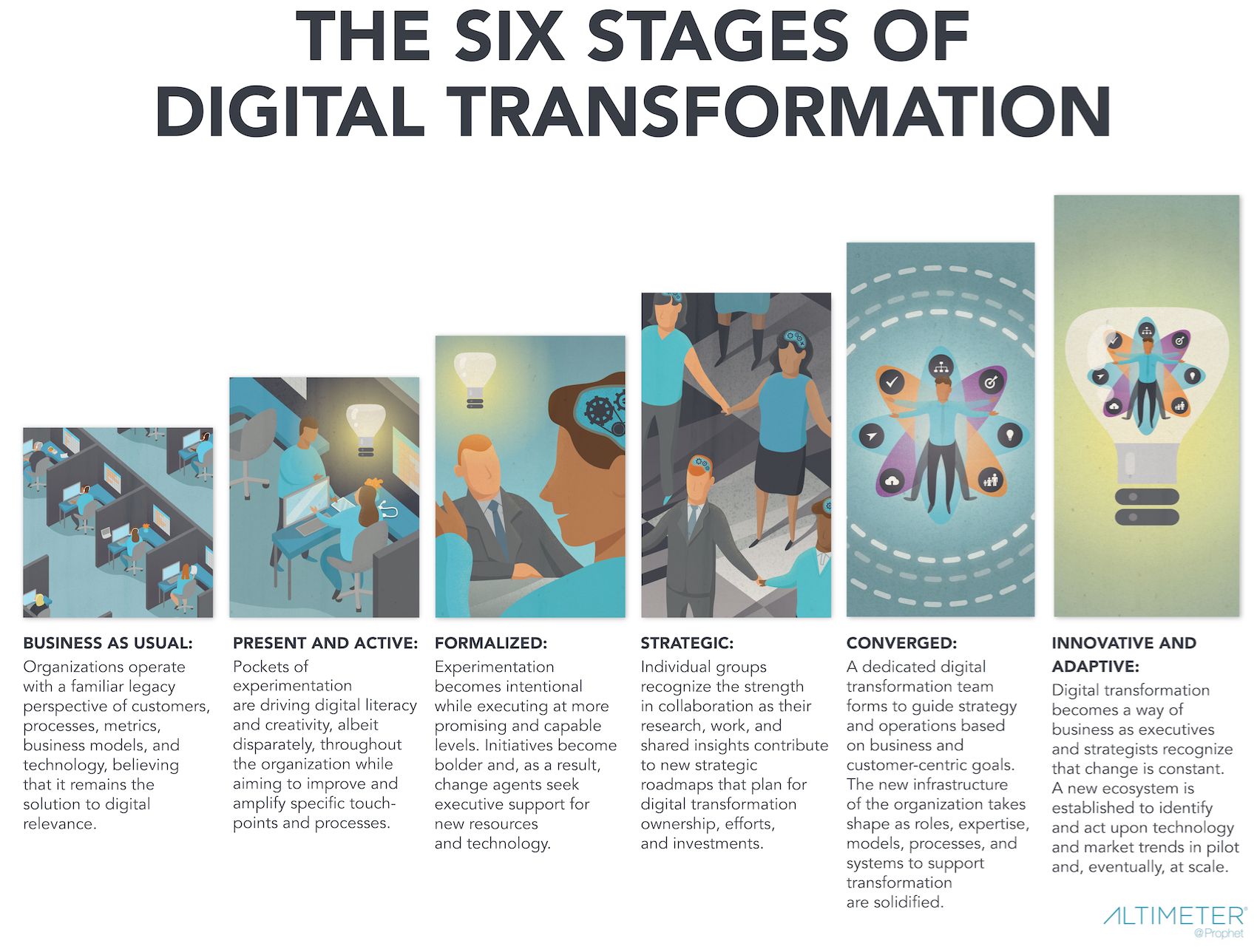](https://briansolis.com/wp-content/uploads/2017/01/2016-05-02-1462213576-7279715-sixstagesofdigitaltransformation.png)
*Digital Representation of Information*
## Practical Implications and Applications
The potential applications of digitally stored memories are vast and varied. Here, we explore a few examples that demonstrate the transformative power of this technology:
### Example 1: Personal Data Management
Imagine a world where your entire life's experiences, memories, and knowledge are stored digitally and accessible through a personal data management system. This system could help you organize and access your information quickly and easily, enabling you to recall past events, memories, and lessons learned with remarkable accuracy and efficiency.
Moreover, this technology could help you identify patterns, trends, and insights in your experiences, leading to improved self-awareness, decision-making, and personal growth.
[](https://www.edps.europa.eu/sites/default/files/picture/pims2.png)
*Personal Data Management System*
#### Thought-provoking questions:
* How might a personal data management system impact the way we learn, work, and interact with others?
* What are the potential risks and challenges associated with storing and managing personal information digitally?
### Example 2: Collaborative Learning and Knowledge Sharing
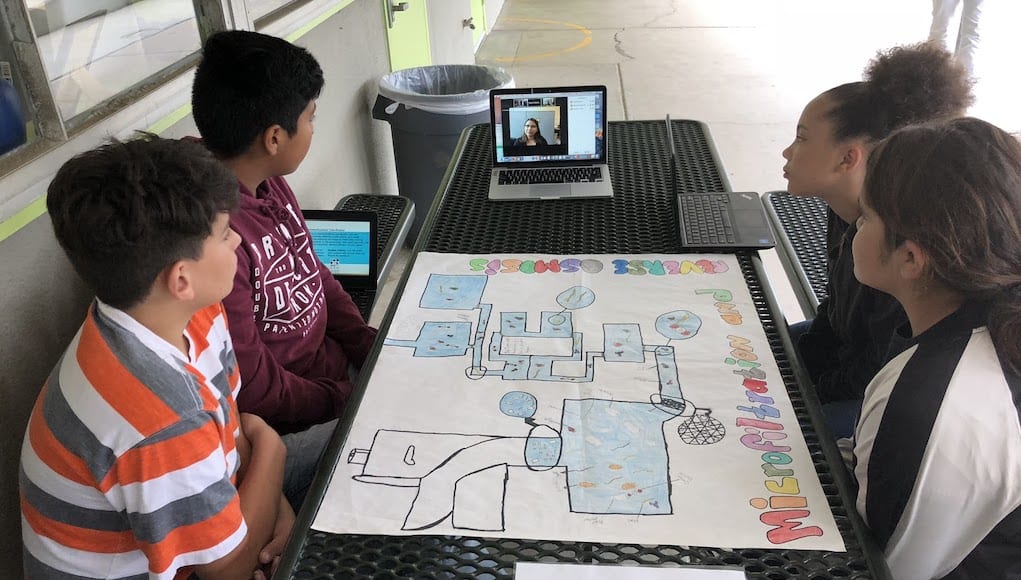
Digitally stored memories could also be harnessed to facilitate collaborative learning and knowledge sharing. By providing a platform for storing, accessing, and sharing information, this technology could enable communities of learners to connect, communicate, and collaborate more effectively.
Consider a platform where students and teachers can contribute, access, and engage with a wealth of digital resources, including lectures, articles, videos, and discussions. By fostering a more interactive, engaging, and participatory learning experience, this technology could lead to improved learning outcomes, deeper understanding, and increased retention.
[](https://www.gettingsmart.com/wp-content/uploads/2020/01/IMG_5255.jpeg)
*Collaborative Learning Platform*
#### Thought-provoking questions:
* How might digitally stored memories impact the way we teach and learn in the future?
* What ethical considerations should be taken into account when using digitally stored memories for collaborative learning and knowledge sharing?
## Conclusion
Digitally stored memories represent a powerful and transformative technology with the potential to revolutionize human cognition and decision-making. By exploring the concept, practical implications, and applications of this innovation, college students can begin to appreciate the significance and potential of this technology and engage in thoughtful, informed discussions about its benefits, risks, and challenges.
To further explore the topic of digitally stored memories, consider researching related topics such as artificial intelligence, machine learning, virtual reality, and personal data management. By deepening your understanding of these related fields, you can better appreciate the potential of digitally stored memories and the role it may play in shaping the future of human cognition and decision-making.
Last updated: 2024-05-29
Related Books
Related Knowledges