# Replication of Ideas: The Engine of Progress and its Implications
## Introduction
[](https://upload.wikimedia.org/wikipedia/commons/0/04/David_Deutsch.jpg)
*David Deutsch, author of 'The Beginning of Infinity'*
'Replication of Ideas' is a fundamental concept introduced by David Deutsch in his seminal work 'The Beginning of Infinity.' It refers to the process where creative human minds generate knowledge or concepts, which can then be shared, taught, and built upon by others. By replicating ideas and improving them over time, humanity can expand its understanding, driving innovation and progress.
## The Core Concept and Relevance
The replication of ideas is crucial to the evolution of human knowledge. It enables the accumulation of insights from various sources, fostering collaboration and the creation of a wealth of collective wisdom. In essence, it is the engine of progress that propels society forward by building on the successes of the past. Through this process, ideas can be challenged, refined, and combined in novel ways, leading to the emergence of groundbreaking innovations and solutions that might not have been possible otherwise.
## Practical Implications and Examples
### 1. Science and Mathematics
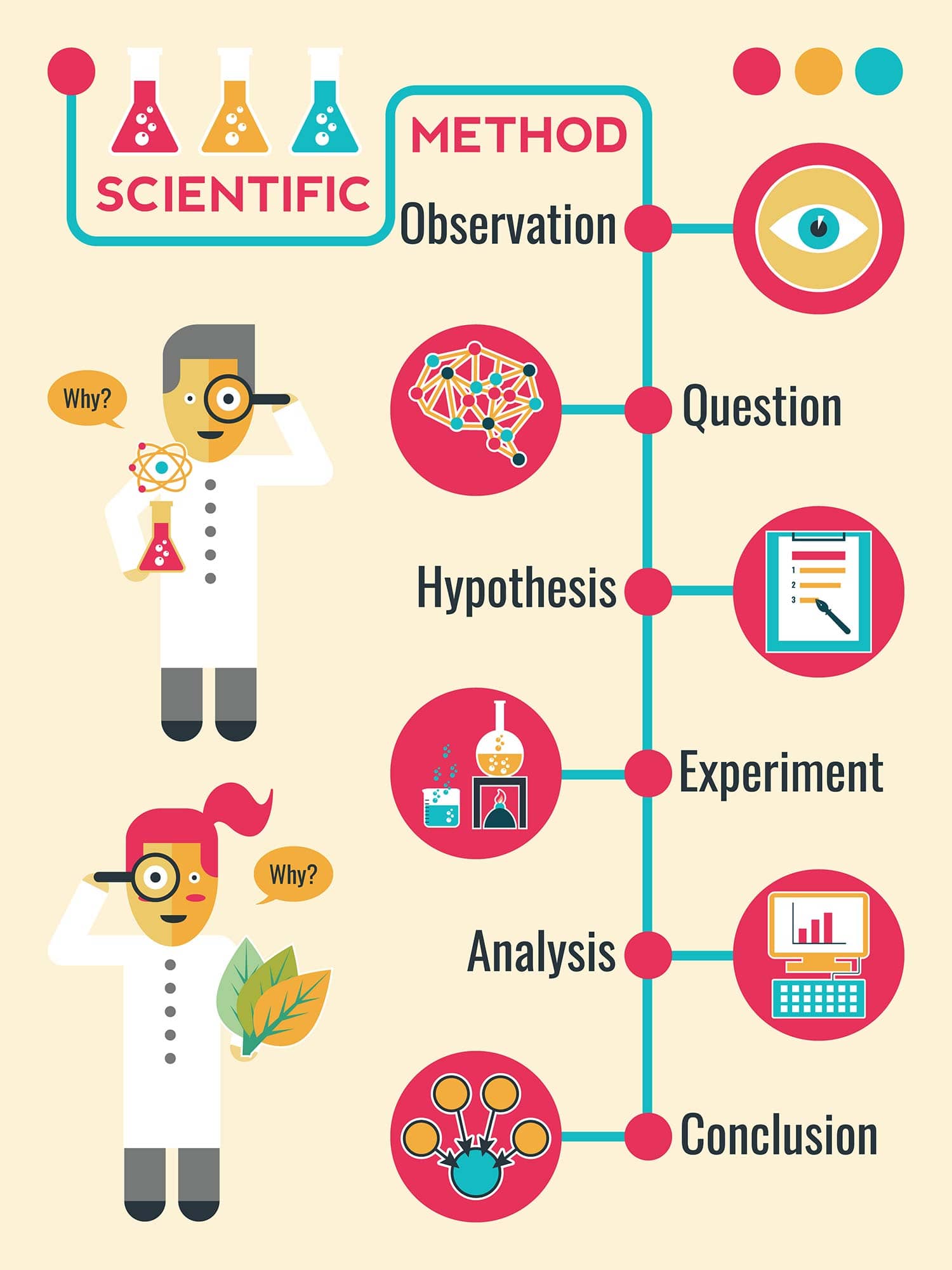
Scientific theories and mathematical principles are prime examples of replicated ideas. The scientific method, for instance, disseminates a systematic approach for understanding the natural world, enabling researchers to build upon previous discoveries and challenge existing theories.
[](https://www.simplypsychology.org/wp-content/uploads/scientific-method.jpg)
*The scientific method process*
Consider the advances in quantum mechanics. Scientists replicated, tested, and refined the underpinning concepts and theories of quantum mechanics to develop a more comprehensive understanding of the subatomic world. This iterative process resulted in the creation of a technology, such as the quantum computer, which is poised to revolutionize fields like cryptography, drug discovery, and optimization.
[](https://seeqc.com/uploads/images/seeqc-computing-chips-wide.jpg)
*Quantum computer chip*
### 2. Artificial Intelligence
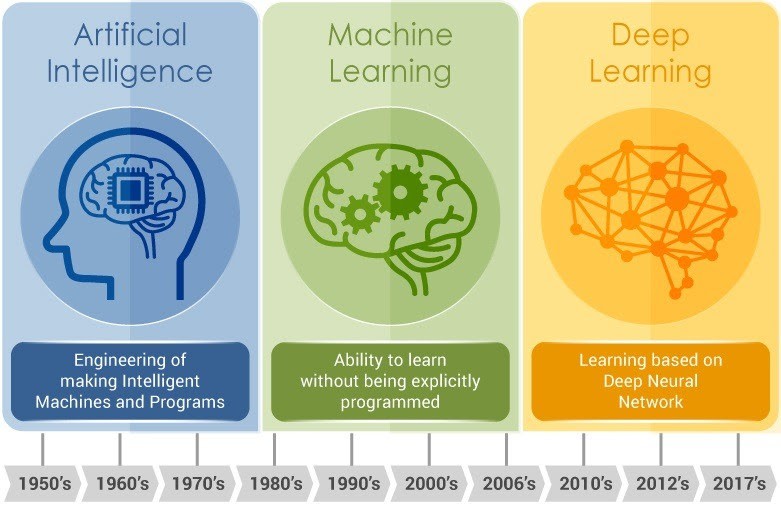
Artificial intelligence (AI) offers another compelling instance of the replication of ideas. Early AI research focused on replicating human intelligence, which was seen as a key to unlocking the potential of machines and solving complex problems. This approach spawned the development of expert systems, decision support systems, and machine learning algorithms. As these ideas were replicated and built upon, the field of AI expanded to include concepts like deep learning, computer vision, and natural language processing. Consequently, modern AI applications, such as self-driving cars and personalized recommendation systems, have emerged, transforming industries and daily life.
[](https://media.licdn.com/dms/image/C4E12AQF2seYVveKxJw/article-cover_image-shrink_600_2000/0/1634389531154?e=2147483647&v=beta&t=ecLyPL7en0msPYMmt2LFB3PMQhPNRPmqe68g6h18LMM)
*AI and machine learning concepts*
### 3. Biotechnology
Biotechnology has substantially benefited from the replication of ideas throughout its history. Genetic engineering is a prime example, where the knowledge of genetics and molecular biology has been systematically applied to modify and optimize specific traits of living organisms for various purposes.
For instance, in the initial stages of genetic research, scientists replicated the work of Gregor Mendel on peapods to establish the fundamental principles of genetics. These principles were further replicated and refined as researchers discovered and documented the genetic codes of various organisms. Today, this knowledge is being replicated and expanded to edit genes, with applications such as gene therapy, DNA computing, and the creation of novel organisms for various purposes, such as the production of pharmaceuticals and energy-efficient fuels.
[](https://www.kgi.edu//wp-content/uploads/media/News/2019/CRISPR-Chip.jpg)
*Genetic engineering in biotechnology*
## Key Insights and Further Exploration
Replicating ideas lies at the core of humanity's ability to innovate and solve challenges. By studying and contributing to this process, college students can:
1. Appreciate the interconnectedness and collaborative nature of human knowledge, understanding the symbiotic relationship between various disciplines and their shared evolution.
2. Acknowledge and celebrate the iterative nature of progress, realizing that ideas are rarely perfect at inception and benefit from the contributions of many minds.
3. Embrace the cyclical exchange of ideas, where new concepts are built on the foundation of previous insights, and in turn, contribute to a more comprehensive understanding of complex domains.
To extend their exploration of this concept, students can:
1. Research and analyze the role of idea replication in other disciplines or industries, focusing on the interplay e between theory and practice.
2. Reflect on the implications of the replication of ideas for education curricula and pedagogy, identifying strategies for fostering and nurturing this process in learners.
3. Assess and discuss the potential challenges of replicating ideas in areas where there is resistance, such as interdisciplinary collaboration or the integration of disruptive technologies in tradition-bound industries.
## Conclusion
Replication of ideas is a fundamental and fascinating aspect of human progress. By examining its role, applications, and implications, college students can deepen their appreciation for the collaborative and iterative nature of knowledge development. As they become more adept at replicating ideas in their own disciplines, they will contribute to the ongoing cycle of progress and innovation. In essence, engaging with the replication of ideas encourages students to recognize and propagate the profound interconnectedness of human knowledge, fostering an ever-evolving landscape of discovery and growth.
Last updated: 2024-05-13
Related Books

Related Knowledges