# Epistemological Realism: Understanding the Nature of Knowledge and Reality
In *The Beginning of Infinity*, David Deutsch, a renowned physicist and a proponent of constructivist or 'popperian' epistemology, discusses the concept of epistemological realism. At its core, epistemological realism is the idea that our understanding of the world – including scientific theories and explanations – can accurately reflect the nature of reality. In this educational content, we will examine epistemological realism in depth, including its key concepts, examples, and practical implications.
[](https://upload.wikimedia.org/wikipedia/commons/0/04/David_Deutsch.jpg)
*David Deutsch, physicist and author*
## Core Concepts and Relevance
Epistemological realism posits that the world has an objective, mind-independent existence, and that our knowledge and understanding of it can be both true and false. The central idea is that our theories and explanations are not simply useful fictions but actually correspond to reality.
[](https://i0.wp.com/i2insights.org/wp-content/uploads/2017/04/guide-to-ontology-moon.jpg?ssl=1)
*Illustration of epistemological realism*
This perspective has significant implications for the way we approach knowledge and understanding. In contrast to instrumentalism, which maintains that theories are merely tools for predicting and controlling events, epistemological realism asserts that the goal of scientific inquiry is to uncover the underlying reality.
Deutsch also emphasizes the importance of fallibilism, the view that our understanding and knowledge are never final or absolute but are always subject to revision and improvement. By embracing fallibilism, epistemological realism promotes an ongoing process of conjecture and refutation, allowing us to refine and expand our knowledge of the world.
## Examples and Applications
### Evolution and Natural Selection
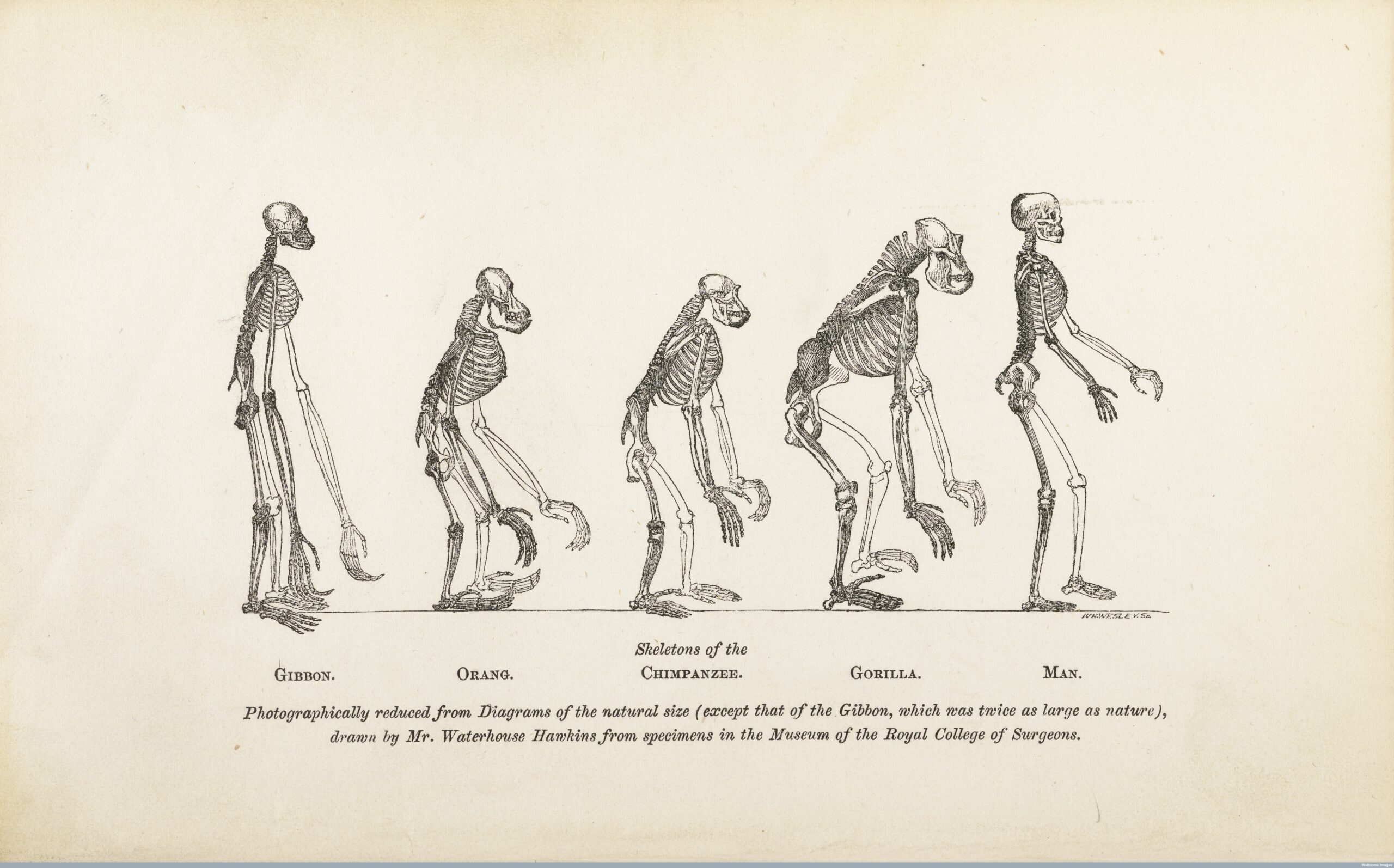
An excellent example of epistemological realism can be seen in Charles Darwin's theory of evolution by natural selection. Despite numerous debates and challenges throughout the years, the core concepts of evolution and natural selection have remained unchanged and are now widely accepted as an accurate representation of the biological world.
[](https://www.sciencehistory.org/wp-content/uploads/2023/04/l0063032-scaled.jpg)
*Darwin's theory of evolution*
This example illustrates the power of epistemological realism in guiding scientific inquiry and guiding our understanding of complex phenomena. By adhering to the principles of fallibilism and the correspondence between theories and reality, researchers can improve and refine Darwin's theory and continue to reveal the underlying mechanisms governing the natural world.
### Quantum Mechanics and the Wave-Particle Duality
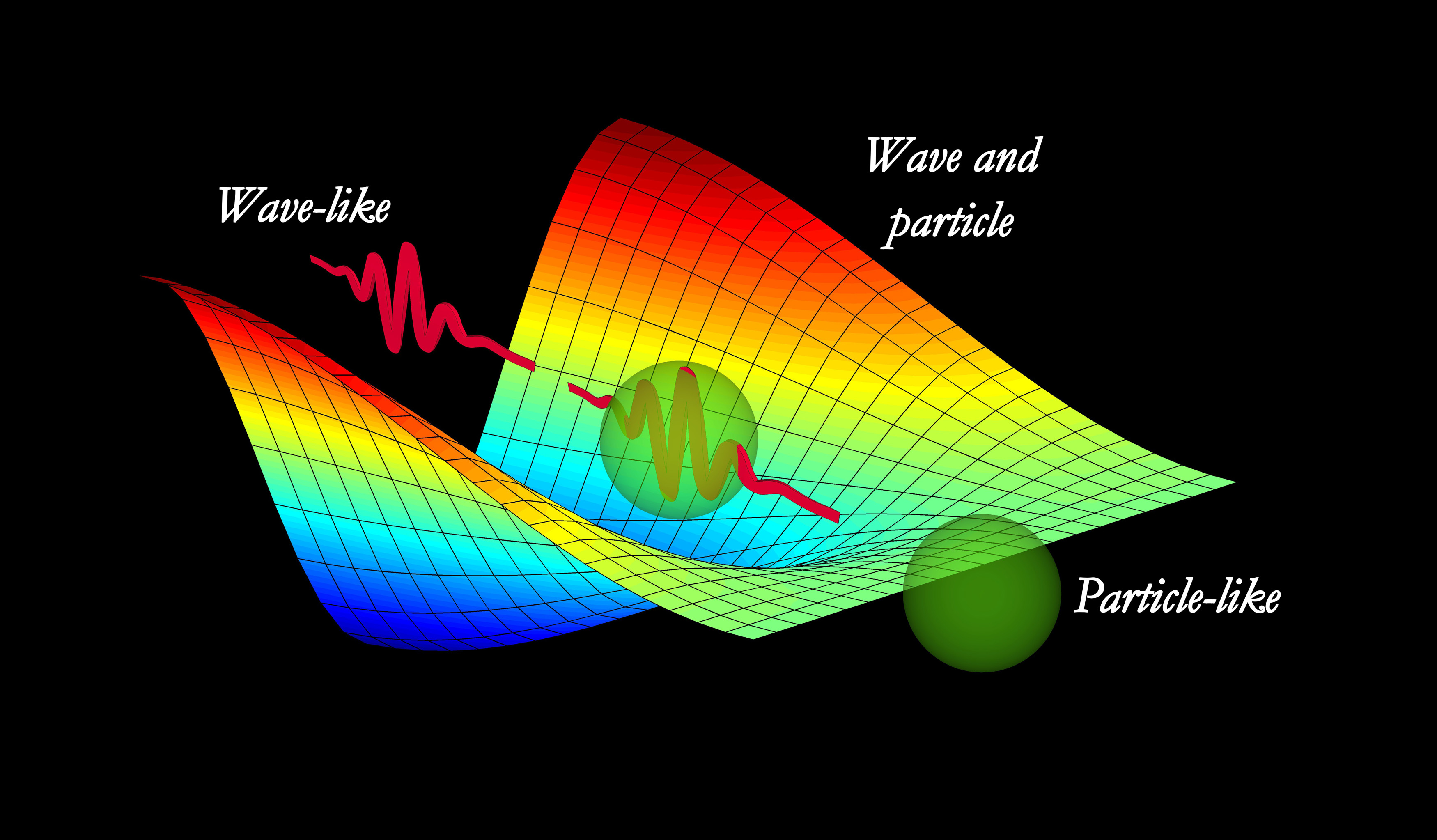
Another compelling example is the concept of wave-particle duality in quantum mechanics. Researchers have established that elementary particles, such as photons and electrons, can exhibit both wave-like and particle-like behavior depending on the experimental conditions. Although the underlying reality of this phenomenon remains debated and mysterious, the mathematical formalism of quantum mechanics provides the best explanation and predictive power in describing these behaviors.
[](https://cdn.mos.cms.futurecdn.net/gyuT23ZwvfNoevmxW6XMte.jpg)
*Wave-particle duality in quantum mechanics*
Epistemological realism in this context implies that while our understanding of wave-particle duality remains incomplete, our mathematical theories and explanations offer the most accurate representation of the physical world available. This example highlights how epistemological realism can help reconcile the tension between the inherent uncertainty and the predictive success of scientific theories.
## Key Insights and Further Exploration
Epistemological realism offers valuable insights into the nature of knowledge and the pursuit of understanding the world. Several key insights emerge from examining epistemological realism:
- The importance of fallibilism: Acknowledging that our knowledge and understanding are subject to revision and improvement is crucial for maintaining scientific progress. Embracing the idea that our theories and explanations can be wrong fosters a culture of intellectual humility, creativity, and a willingness to question established beliefs.
- The correspondence between theories and reality: Striving for correspondence between theories and reality promotes the development of explanations and predictions rooted in the underlying structure and mechanisms of the world. It separates scientific theories from mere speculation or storytelling and drives the search for deeper understanding.
- The role of criticism: Engaging in constructive criticism and debate helps refine our theories and understanding. By scrutinizing and refuting flawed theories or explanations, we can move toward more accurate and robust representations of reality.
For students interested in exploring epistemological realism further, we recommend delving into the broader literature on epistemology and the philosophy of science. We also encourage investigating the work of scholars like Karl Popper, Imre Lakatos, and Thomas Kuhn, who have contributed significantly to the development and refinement of epistemological realism and the constructivist tradition.
In summary, epistemological realism, as discussed by David Deutsch in *The Beginning of Infinity*, offers deep insights into the relationship between knowledge, understanding, and reality. Through various examples and applications, we have demonstrated the practical implications and relevance of this concept for college students. By embracing fallibilism, striving for correspondence between theories and reality, and engaging in constructive criticism, we can foster scientific progress and deepen our understanding of the world.
Last updated: 2025-08-28
Related Books

Related Knowledges