# Quantum Theory as an Explanation Tool: A Deep Dive into David Deutsch's Perspective
[](https://pbs.twimg.com/profile_images/925701269041401857/ff6NE-H-_400x400.jpg)
*David Deutsch, the author of The Beginning of Infinity*
In *The Beginning of Infinity*, David Deutsch, a renowned physicist and pioneer of the field of quantum computing, introduces quantum theory as a powerful explanation tool. Deutsch argues that quantum theory doesn't just describe the world – it explains it. This perspective has far-reaching implications, illuminating various aspects of reality and significantly reshaping our understanding of knowledge and reality.
## Core Concepts: Probability, Superposition, and Entanglement
Quantum theory rests on several core concepts, including probability, superposition, and entanglement.
1. **Probability**: Contrary to classical physics, where the state of a system can be precisely determined, quantum theory relies on probability. Probabilities describe the likelihood of a system being found in a specific state upon measurement.
2. **Superposition**: Quantum systems can exist in multiple states simultaneously, a phenomenon known as superposition. Until measured, the system remains in a state of uncertainty, represented mathematically by a superposition of multiple states.
[](https://www.nist.gov/sites/default/files/images/2019/12/04/superposition.gif)
*Illustration of Quantum Superposition*
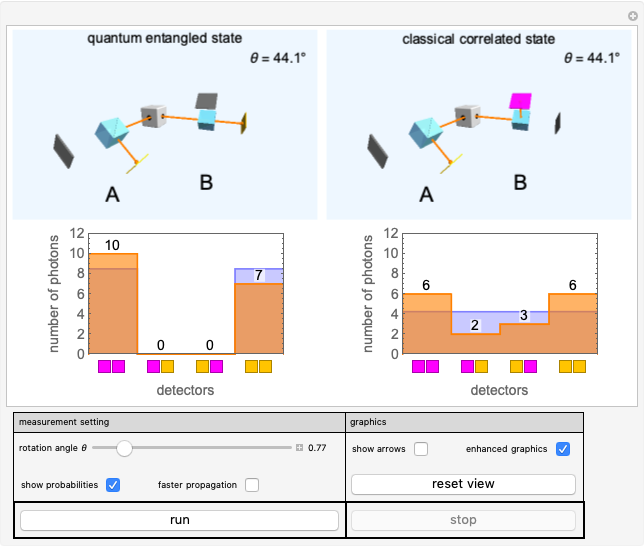
3. **Entanglement**: Quantum entanglement is a correlation between two or more particles that remains consistent regardless of the distance separating them. This correlation holds even when entangled particles are no longer interacting, seemingly transcending space and time.
[](https://demonstrations.wolfram.com/QuantumEntanglementVersusClassicalCorrelation/img/popup_1.png)
*Quantum Entanglement Demonstration*
## Quantum Theory's Explanatory Power
**Knowledge and Reality**: Deutsch argues that quantum theory provides a more profound and accurate explanation of reality than classical physics. It doesn't just describe reality but uncovers the underlying principles that generate it. According to Deutsch, these principles constitute knowledge about the world.
**Interpretations**: Quantum theory has several interpretations, each attempting to unveil the theory's underlying meaning. Some include the Copenhagen interpretation, Many-Worlds interpretation, and Pilot-Wave theory. Deutsch argues that the Many-Worlds interpretation is the most promising, as it provides the most comprehensive and coherent explanation of reality.
## Practical Implications and Examples
### Quantum Computing
Quantum computing leverages quantum phenomena, including superposition and entanglement, to perform complex calculations and solve problems that are practically insurmountable for classical computers. Quantum computing's power lies in its ability to process large volumes of data and perform calculations in parallel, potentially revolutionizing fields like cryptography, optimization, and material science.
[](https://webheadtech.com/wp-content/uploads/blog-hero-ins-outs-quantum.jpg)
*Quantum Computing Conceptual Image*
### Quantum Cryptography
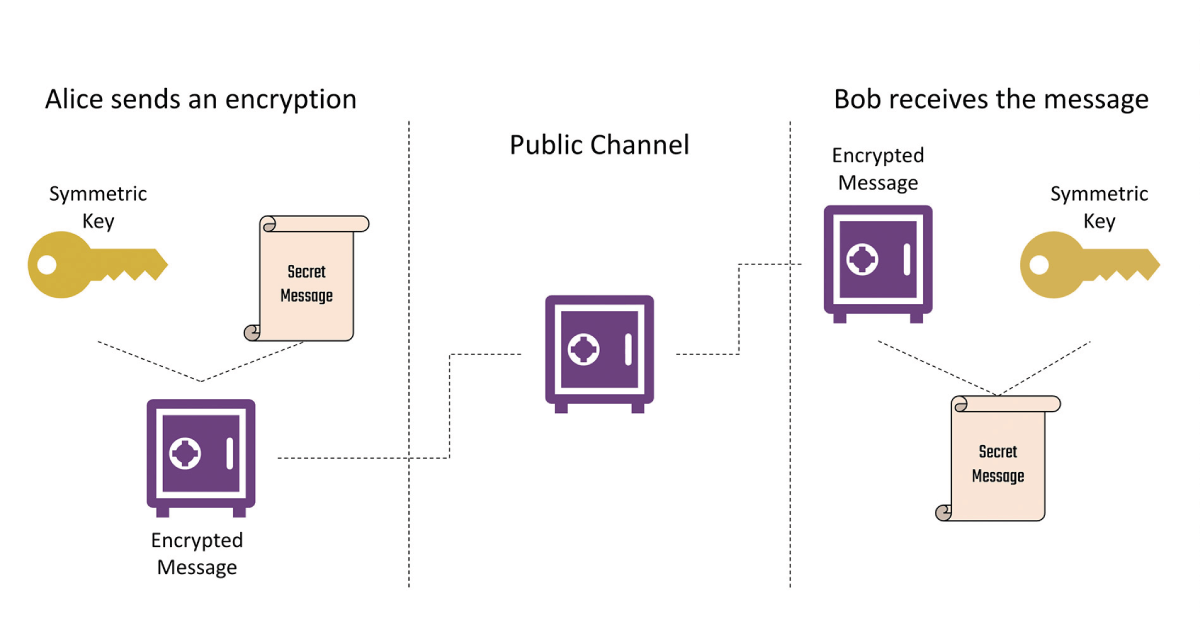
Quantum cryptography offers a new level of security in information protection by exploiting the principles of quantum mechanics to ensure the confidentiality and integrity of data. One of the most celebrated quantum cryptography protocols, BB84, relies on quantum entanglement and single-photon states to generate uncrackable cryptographic keys. Its unconditional security stems from the fact that eavesdropping disturbs the quantum state, triggering an alert to potential intrusions.
[](https://www.cryptoquantique.com/wp-content/uploads/2020/10/symmetric-cryptography-in-action.png)
*Quantum Cryptography Diagram*
## Further Exploration
David Deutsch's perspective on quantum theory as an explanation tool offers numerous avenues for further exploration. Delving into the various interpretations presented in his book provides insights into the nature of reality and knowledge. By studying the applications of quantum theory – from quantum computing to quantum cryptography – students can appreciate the transformative power of this theory. Additionally, comparing Deutsch's ideas with those of other prominent physicists, such as Richard Feynman, Niels Bohr, and Albert Einstein, can foster a more comprehensive understanding of quantum mechanics. Furthermore, engaging with the philosophical implications of quantum theory opens the door to intriguing discussions on the boundary between the physical world and our knowledge of it.
In conclusion, quantum theory as an explanation tool sheds light on the intricate relationship between reality, knowledge, and the principles that generate them. By examining the core concepts of quantum mechanics and delving into its practical implications, college students can develop an appreciation for the profound consequences of quantum theory and its potential to revolutionize various aspects of our lives. The ideas presented by David Deutsch in *The Beginning of Infinity* serve as an inspiring starting point for a journey of exploration, pushing the boundaries of understanding and questioning the very nature of reality.
Last updated: 2024-05-08
Related Books

Related Knowledges