# Knowledge vs Belief: A Deep Dive into David Deutsch's 'The Beginning of Infinity'
[](https://www.daviddeutsch.org.uk/wp-content/uploads/2013/12/david-home-e1594943580574.jpg)
*David Deutsch, author of 'The Beginning of Infinity'.*
In *The Beginning of Infinity*, David Deutsch, a renowned physicist and pioneer of quantum computing, delves into various topics, including the profound distinction between knowledge and belief. This differentiation plays a crucial role in understanding the process of acquiring and evaluating information, decision-making, and fostering personal growth. By examining the core concepts, practical implications, and real-life examples, this article seeks to elucidate the vital differences between knowledge and belief and encourage critical thinking among college students.
## Core Concepts and Relevance
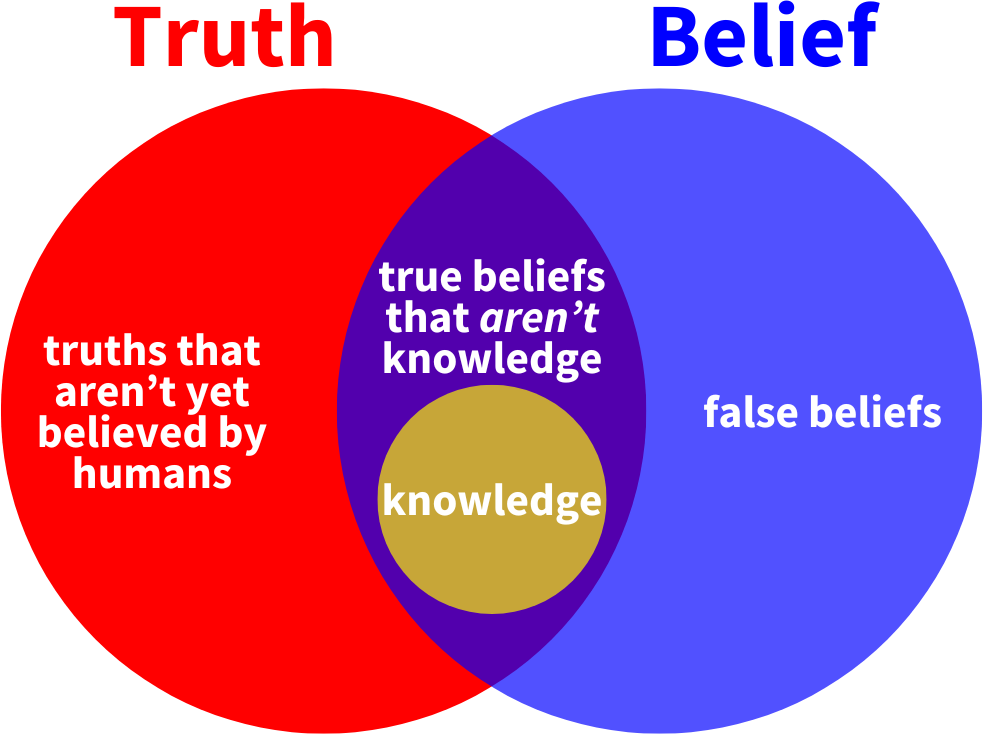
Deutsch describes knowledge as a *justified true belief*; a statement that is true and has been proven through evidence, testing, and validation. In contrast, belief is a proposition or assumption that we accept as true without conclusive evidence or formal proof. While beliefs can be based on previously acquired knowledge, they might also stem from cultural norms, traditions, or personal prejudices and emotions, rendering them potentially unreliable and subjective.
The relevance of understanding the difference between knowledge and belief lies in the fact that the former forms the foundation of scientific progress and rational decision-making, while the latter can hinder personal growth, innovation, and effective communication. In academic and professional settings, firmly grounded knowledge is crucial in establishing credibility, fostering intellectual discourse, and promoting the pursuit of truth. Meanwhile, excessive reliance on beliefs can lead to flawed judgments, stagnation, and dogmatism.
## Practical Implications and Examples
### 1. Science and Progress
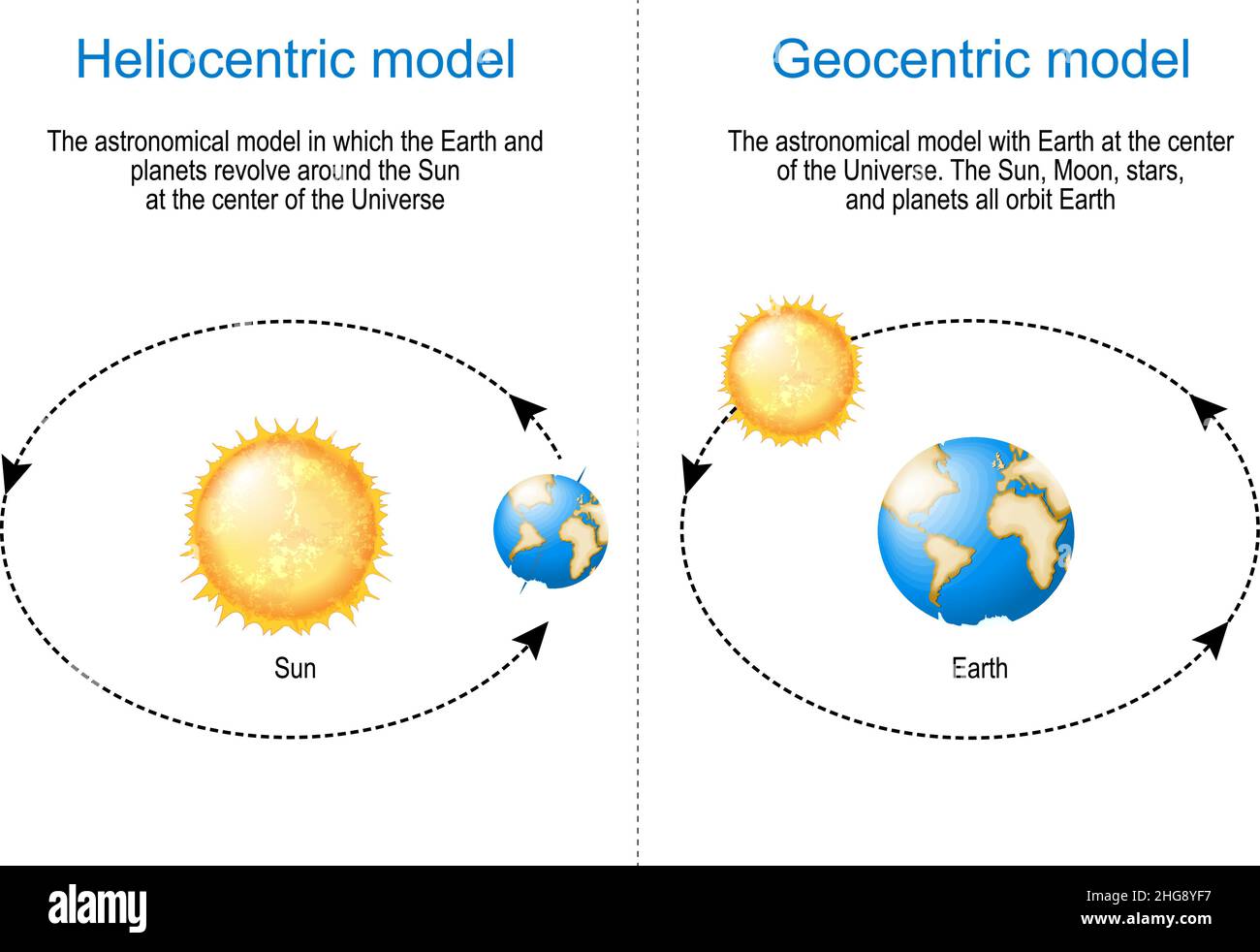
The history of science is replete with examples that illustrate the importance of differentiating between knowledge and belief. Consider the shift from geocentrism to heliocentrism: the geocentric model, which placed the Earth at the center of the universe, was a widely accepted belief for centuries. However, it was eventually supplanted by the heliocentric model, which placed the Sun at the center.
[](https://c8.alamy.com/comp/2HG8YF7/geocentric-and-heliocentric-astronomical-model-comparison-and-difference-earth-revolve-around-the-sun-and-earth-at-the-center-of-the-universe-2HG8YF7.jpg)
*The geocentric vs heliocentric models.*
The geocentric model was a belief, widely accepted due to cultural and religious influences, despite contradictory evidence. The heliocentric model, on the other hand, was based on empirical observations and mathematical calculations, and it has since been validated through numerous experiments and astronomical observations. In this example, the transition from belief to knowledge allowed for a more accurate understanding of our solar system, paving the way for countless scientific and technological advancements.
### 2. Personal Decision-Making
Beliefs can often cloud our judgment in personal decision-making, leading to irrational choices and missed opportunities. For instance, consider a student who believes that they are incapable of mastering a complex subject, such as calculus. This belief might stem from a past failure, lack of confidence, or negative feedback. As a result, the student may avoid attempting calculus courses, foregoing the chance to gain valuable knowledge and potentially limiting their academic and professional opportunities.
Challenging this belief and seeking to convert it into knowledge involves identifying the root cause, acknowledging the potential biases, and engaging in deliberate practice. It may entail seeking additional resources, finding a tutor, or adopting a growth mindset. By doing so, the student can transform their belief into knowledge, making informed decisions, and fostering personal growth.
### 3. Confirmation Bias and echo chambers
In the era of social media and information overload, individuals are frequently exposed to tailored content that aligns with their preexisting beliefs. This phenomenon can create echo chambers, where opposing viewpoints are either silenced or dismissed. Consequently, these beliefs are rarely challenged, perpetuating the potential for misinformation, dogmatism, and intolerance.
[](https://insight.kellogg.northwestern.edu/content/uploads/_1200x630_fit_center-center_82_none/echo-chamber.jpg?mtime=1551833761)
*Visual representation of echo chambers in social media.*
By recognizing and confronting the distinction between knowledge and belief, individuals can develop critical thinking skills and cultivate a healthy skepticism that serves as a safeguard against the pitfalls of confirmation bias and echo chambers. For college students, this can manifest in various ways, such as seeking diverse perspectives in academic research, engaging in thoughtful debates, and welcoming constructive criticism.
## Conclusion: Summarizing Key Insights and Further Exploration
[](https://philosophyalevel.com/wp-content/uploads/2024/09/ktb.png)
*Philosophical exploration of knowledge vs belief.*
Understanding the difference between knowledge and belief is a fundamental cornerstone of critical thinking and personal growth. By recognizing the distinctions between truth and assumption, evidence-based reasoning and personal biases, individuals can foster a more nuanced and informed understanding of the world. Moreover, by actively challenging and converting beliefs into knowledge, individuals can effectively navigate academic and professional landscapes while nurturing a culture of intellectual curiosity and open-mindedness.
For college students eager to further explore the topic of knowledge vs belief, several avenues present themselves. Some suggestions include:
- Delving into the works of other philosophers, such as Karl Popper, Immanuel Kant, or Bertrand Russell, who have contributed significantly to the understanding of knowledge, truth, and rationality.
- Examining the role of cognitive biases and heuristics in shaping beliefs and decision-making processes.
- Investigating the philosophical underpinnings of scientific methodology and the interplay between knowledge, evidence, and theory.
- Exploring the impact of belief systems on social dynamics and cultural norms, and how different societies reconcile competing belief systems with the pursuit of knowledge.
- Assessing the ethical implications of holding strong beliefs in the absence of adequate evidence, such as the consequences of dogmatism, intolerance, and discrimination.
Ultimately, critically examining the distinction between knowledge and belief will empower college students to be more discerning consumers of information, fostering a more adaptive, proactive, and curious approach to learning and discovery.
Last updated: 2025-08-28
Related Books

Related Knowledges