# Use Others' Counsel: Learning from Benjamin Franklin's Timeless Wisdom
## Introduction
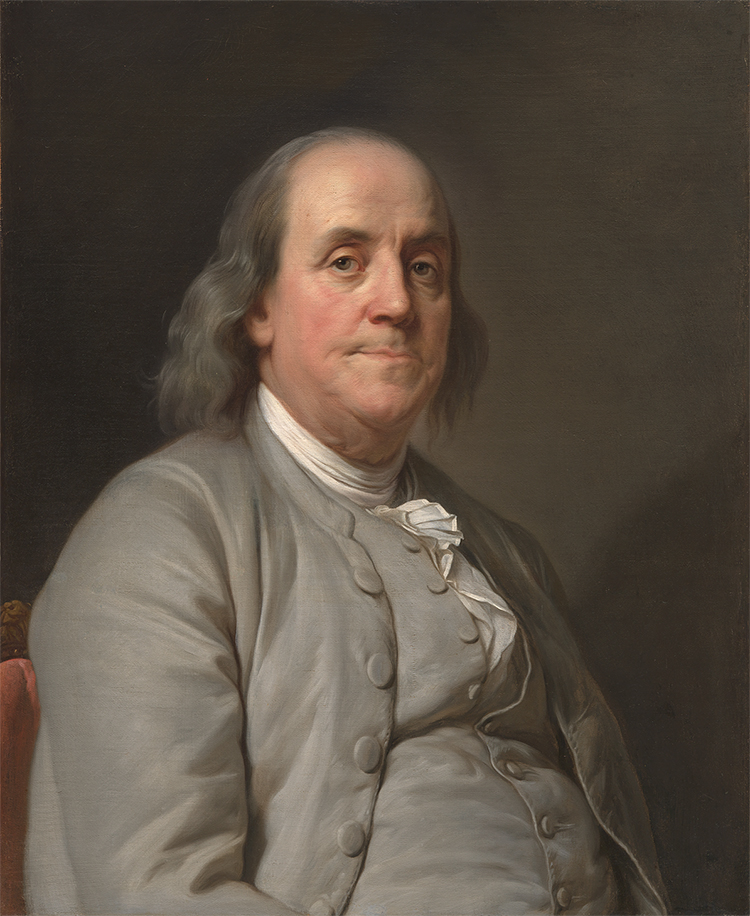
Benjamin Franklin, one of the Founding Fathers of the United States, was not only a skilled politician and inventor but also a prolific writer. His *Poor Richard's Almanack*, first published in 1732, was a bestseller in the American colonies. Rich with wit and wisdom, the almanac offers countless life lessons, one of which is the importance of seeking and utilizing others' counsel.
[](https://npg.si.edu/sites/default/files/class_ben.jpg)
*Benjamin Franklin*
The concept of using others' counsel is based on the idea that individuals can significantly benefit from the knowledge, experiences, and perspectives of others. By seeking advice from those who have already faced similar challenges, one can avoid potential pitfalls and make more informed decisions. This practice is highly relevant in our modern, interconnected world, as collaboration and knowledge-sharing are essential components of personal and professional growth.
[](https://teamstage.io/wp-content/uploads/2022/05/Collaboration-vs.-Teamwork-2.jpg)
*Collaboration and knowledge sharing*
In the following sections, we will delve deeper into the concept of using others' counsel, exploring its applications and implications with the help of examples inspired by Franklin's work and real-life scenarios.
## Seeking Expertise and Diverse Perspectives
Franklin once wrote, "He that has soonest learn'd to do without a Teacher, will most quick be a Teacher" (Franklin, 1758). By acknowledging that learning from others is a continuous process, Franklin highlights the value of seeking expertise and diverse perspectives.
*Example 1: In a college setting, students can benefit from forming study groups comprised of individuals with different backgrounds and skill sets. This approach not only fosters a deeper understanding of the subject matter but also helps to develop critical thinking and problem-solving skills.*
[](https://www.collegeraptor.com/wp/wp-content/uploads/2016/08/college-study-groups-e1576681531922.jpg)
*Study group in a college setting*
*Example 2: A budding entrepreneur seeking advice on starting a business may consult experienced professionals in various fields, such as finance, marketing, and law. By gathering insights from experts with diverse areas of expertise, the entrepreneur can make well-informed decisions.*
[](https://blog.hubspot.com/hs-fs/hubfs/Small%20Business%20Consulting%20%281%29.jpg?width=595&height=400&name=Small%20Business%20Consulting%20%281%29.jpg)
*Entrepreneur consulting experts*
## Embracing Constructive Criticism
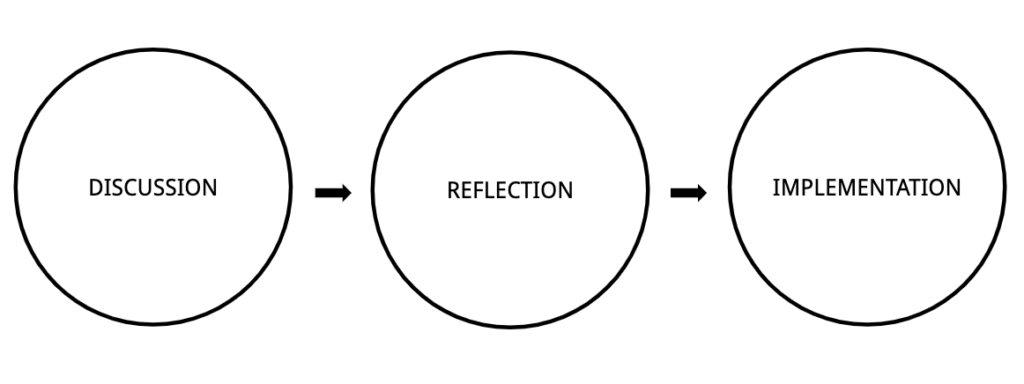
Franklin encourages us to embrace constructive criticism, acknowledging that others' perspectives can help us identify our blind spots.
*Example: A student working on a group project may present their ideas to the group and invite constructive feedback. By openly discussing and addressing the group's concerns, the student can improve their work and foster a collaborative environment.*
[](https://nesslabs.com/wp-content/uploads/2020/08/constructive-criticism-illustration-1-1024x384.png)
*Embracing constructive criticism*
## Learning from History and Literature
Franklin believed that historical figures and literary characters could serve as valuable sources of wisdom. By studying their successes and failures, one could learn valuable lessons and avoid repeating past mistakes.
*Example: By analyzing the character development and decision-making processes in classic literary works, college students can gain insights into human nature and motivation. Furthermore, studying historical figures who have overcome adversity can inspire and inform students' personal growth and goal-setting.*
[](https://study.com/cimages/videopreview/what-is-historical-fiction-_definition-characteristics-books-and-authors_127279.jpg)
*Learning from history and literature*
## Building a Support Network
Franklin's network of "clubs" or "societies" illustrates the importance of building a supportive community. In the context of a college education, forming study groups, participating in clubs, and engaging in campus activities can help students establish a strong support network. This network can provide students with advice, encouragement, and valuable connections that can benefit them throughout their academic and professional careers.
[](https://success.oregonstate.edu/sites/success.oregonstate.edu/files/LearningCorner/Images/support_network.jpg)
*Building a support network*
## Conclusion
Throughout *Poor Richard's Almanack*, Benjamin Franklin emphasizes the value of using others' counsel as a means of personal and professional growth. By seeking expertise, diverse perspectives, and constructive criticism, individuals can make more informed decisions and develop essential skills.
To further explore the topic of using others' counsel, consider researching additional sources that delve into the art of seeking advice, collaboration, and network-building. Additionally, reflect on the ways in which you have utilized others' counsel in your own life and consider how you might continue to hone this valuable skill.
Last updated: 2024-05-30
Related Books

Related Knowledges