# Overoptimistic Markets: An In-Depth Analysis from The Dao of Capital
## Introduction
In the world of finance and economics, understanding market behavior is crucial for investors, policymakers, and scholars alike. In his book, "The Dao of Capital," Mark Spitznagel introduces the concept of overoptimistic markets, which sheds light on the dangers of underestimating risk and overestimating growth potential. This idea is particularly relevant for college students studying finance, economics, or related fields, as it provides a valuable perspective on market dynamics and risk management.
At its core, the concept of overoptimistic markets refers to the phenomenon where market participants become excessively bullish, leading to the mispricing of risk and assets. This overoptimism can result in market bubbles, which eventually burst and cause significant financial distress. In this analysis, we will delve deeper into the concept of overoptimistic markets, explore its practical implications, and discuss how it can help us better understand market behavior.
[](https://media.licdn.com/dms/image/C5634AQFRT27bY8yccA/ugc-proxy-shrink_800/0/1594427320526?e=2147483647&v=beta&t=Q9qUql1ieyCRO2R5_6a9CNboNpq_BO9dxkf9rygq8RU)
*Behavior of an Overoptimistic Market*
## Overoptimism and Market Bubbles
One of the most significant consequences of overoptimism is the formation of market bubbles. A market bubble occurs when the price of an asset significantly deviates from its intrinsic value due to excessive demand and speculation. In such scenarios, investors often overlook potential risks and focus solely on the potential for short-term gains.
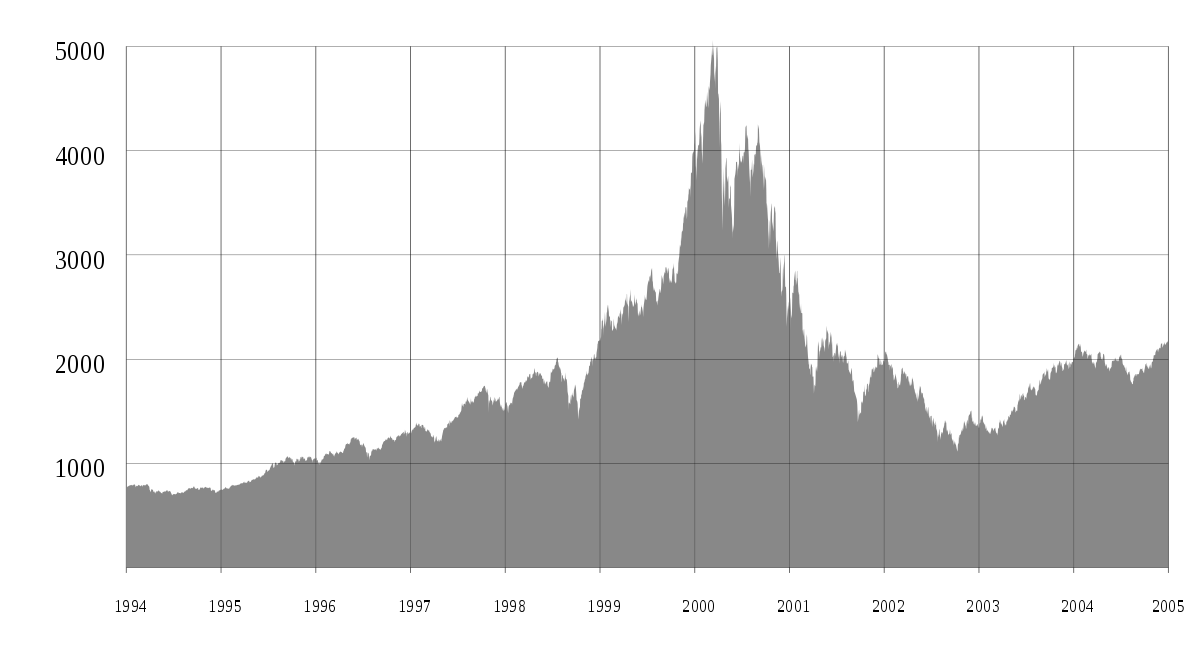
A classic example of an overoptimistic market and a subsequent bubble is the dot-com bubble of the late 1990s. During this period, technology stocks experienced exponential growth, with many investors believing that these companies would continue to generate substantial profits indefinitely. As a result, the prices of technology stocks soared, leading to a massive bubble. However, when the bubble eventually burst in 2000, many investors suffered significant losses as the overvalued stocks plummeted.
[](https://upload.wikimedia.org/wikipedia/commons/thumb/8/84/Nasdaq_Composite_dot-com_bubble.svg/1200px-Nasdaq_Composite_dot-com_bubble.svg.png)
*Dot-com Bubble Timeline*
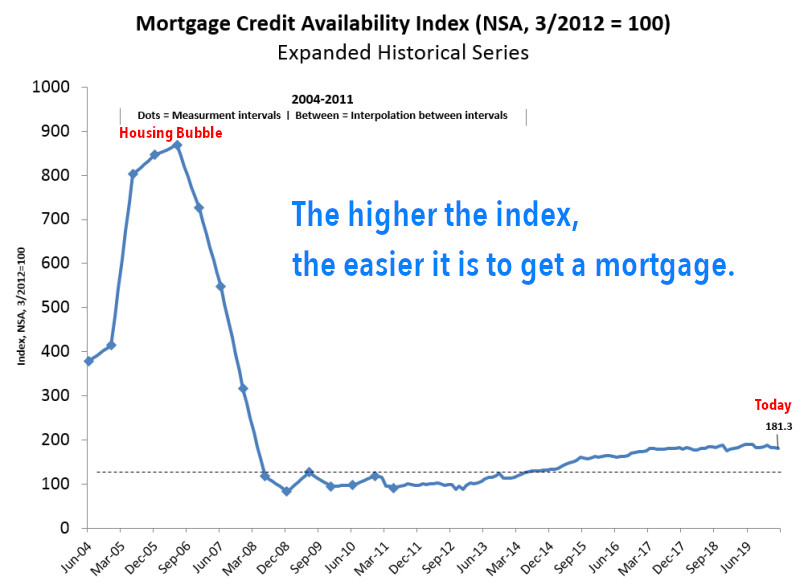
Another example of an overoptimistic market can be seen in the housing market before the 2008 financial crisis. Fueled by low-interest rates and relaxed lending standards, the housing market experienced a surge in demand, leading to rapidly increasing home prices. Many investors, including financial institutions, believed that the housing market would continue to grow, and they used complex financial instruments, such as mortgage-backed securities, to capitalize on this perceived growth. However, when the housing market collapsed, it triggered a chain reaction that led to the global financial crisis.
[](https://bozemanrealtygroup.com/wp-content/uploads/mortgage-credit-availability-index-march-2020.jpg)
*2008 Housing Market Bubble*
## Risk Mispricing and Overoptimism
Another critical aspect of overoptimistic markets is the mispricing of risk. When markets become overoptimistic, investors tend to underestimate the potential risks associated with their investments. This mispricing can lead to a variety of consequences, including the misallocation of resources, the exacerbation of market bubbles, and the destabilization of financial systems.
A prime example of risk mispricing can be observed in the infamous case of Long-Term Capital Management (LTCM), a hedge fund that used complex financial instruments and leverage to capitalize on perceived mispricings in the market. In 1998, LTCM's bets on various financial instruments, such as bonds and derivatives, led the firm to amass significant gains. However, when market conditions changed unexpectedly, LTCM's positions soured, leading to catastrophic losses. The firm's near-collapse triggered a broader financial crisis, as other financial institutions were exposed to LTCM's risky investments.
The LTCM example illustrates the dangers of risk mispricing in overoptimistic markets. When investors underestimate the potential risks associated with their investments, they may take on excessive leverage or invest in assets with higher volatility than they can handle. This risk mispricing can lead to market instability and, ultimately, financial crises.
[](https://www.ft.com/__origami/service/image/v2/images/raw/https%3A%2F%2Fd1e00ek4ebabms.cloudfront.net%2Fproduction%2F441cab21-6a32-47c2-92ca-eb2900249f55.jpg?source=next-article&fit=scale-down&quality=highest&width=700&dpr=1)
*Risk Mispricing in Financial Markets*
## Implications for Investors and Policymakers
Understanding overoptimistic markets and their consequences is crucial for investors and policymakers alike. For investors, recognizing the signs of an overoptimistic market can help them avoid participating in market bubbles and manage their risk more effectively. By adopting a contrarian approach and being cautious when markets become excessively bullish, investors can potentially protect their portfolios from significant losses.
Policymakers, too, have a role to play in mitigating the risks associated with overoptimistic markets. By implementing and enforcing appropriate regulations, policymakers can help ensure that financial institutions and markets operate in a stable and sustainable manner. For instance, regulators can impose stricter capital requirements on financial institutions during periods of market exuberance, thereby reducing the likelihood of risk mispricing and excessive leverage.
## Conclusion
In conclusion, the concept of overoptimistic markets, as discussed in "The Dao of Capital," offers valuable insights into market behavior and risk management. By understanding the dangers of underestimating risk and overestimating growth potential, investors and policymakers can better navigate the complexities of financial markets.
To further explore the topic of overoptimistic markets, students can delve deeper into the underlying factors that contribute to market bubbles and risk mispricing. Additionally, studying historical market crises and the role of overoptimism can provide valuable lessons for the future. By combining theoretical knowledge with practical examples, students can develop a comprehensive understanding of overoptimistic markets and their implications for the financial world.
Last updated: 2024-03-20
Related Books

Related Knowledges