### Ecological Markets: A Deep Dive into Sustainable Investment Systems
**Introduction to Ecological Markets**
Ecological markets refer to a type of investment system that aims to create sustainable and resilient economies by aligning financial investments with ecological principles. It is a concept that has been popularized by Mark Spitznagel in his book "The Dao of Capital."
[](https://thumbs.dreamstime.com/z/eat-local-organic-products-cartoon-vector-concept-colorful-illustration-happy-farmer-grown-vegetables-ecological-market-179024038.jpg)
*Illustration of Ecological Markets Concept*
At its core, ecological markets emphasize the need for a deep understanding of the complex and interconnected systems that make up the natural world. By incorporating this understanding into investment decisions, ecological markets aim to create a more sustainable and resilient economy.
**Key Concepts**
The following are some of the key concepts associated with ecological markets:
* **Complex adaptive systems:** Ecological markets recognize that natural systems are complex and adaptive, and that they are constantly changing in response to a variety of factors.
* **Interconnectedness:** Ecological markets emphasize the interconnectedness of natural systems, recognizing that changes in one part of a system can have far-reaching impacts on other parts of the system.
* **Resilience:** Ecological markets prioritize resilience, recognizing that systems that are able to withstand shocks and adapt to change are more likely to be sustainable in the long term.
* **Sustainability:** Ecological markets prioritize sustainability, recognizing the need to preserve natural resources and maintain ecological balance for future generations.
[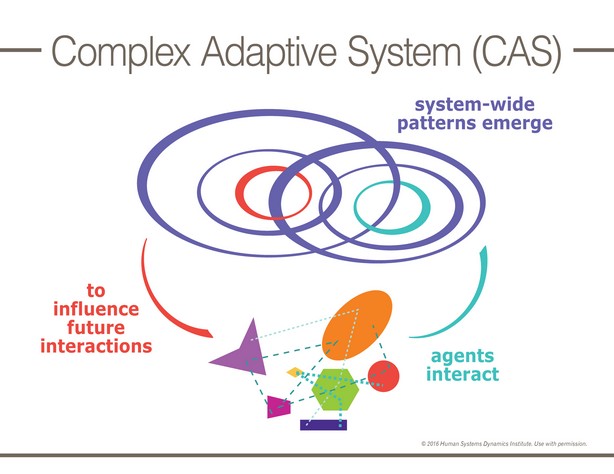](https://www.hsdinstitute.org/assets/images/complex-adaptive-system.jpg)
*Example of a Complex Adaptive System*
**Example 1: The case of regenerative agriculture**
One practical example of ecological markets in action is in the field of regenerative agriculture. This approach to farming recognizes the critical role that soils play in capturing carbon and supporting ecological balance. By promoting practices that build soil health, regenerative agriculture helps to create a more resilient food system that can withstand shocks such as droughts, floods, and other extreme weather events.
[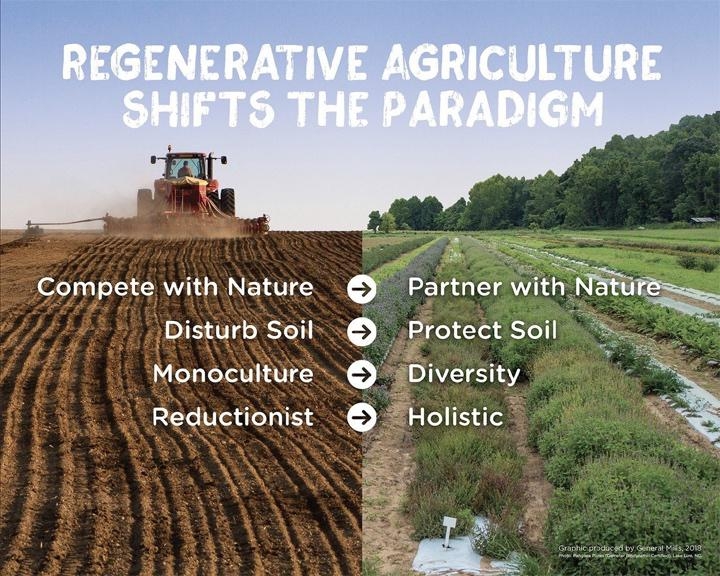](http://ucanr.edu/blogs/GardenNotes/blogfiles/82488_original.jpg)
*Regenerative Agriculture Practices*
Investing in regenerative agriculture can provide a number of benefits for investors, including:
* **Diversification:** Regenerative agriculture can provide a way to diversify investment portfolios, reducing exposure to traditional markets and providing a hedge against economic uncertainty.
* **Risk management:** By investing in a more resilient food system, investors can reduce the risk associated with traditional agriculture, which is often subject to a variety of environmental and economic factors that can impact yields and profitability.
* **Long-term value creation:** Regenerative agriculture can help to create long-term value for investors by promoting the sustainable use of natural resources and preserving ecological balance.
**Example 2: The case of circular economy**
Another practical example of ecological markets is in the field of circular economy. This approach recognizes the need to reduce waste and promote the efficient use of resources in order to create a more sustainable economy.
[](https://www.europarl.europa.eu/resources/library/images/20230927PHT05951/20230927PHT05951_original.png)
*Principles of Circular Economy*
In a circular economy, products are designed to be durable, repairable, and recyclable, and waste is minimized through reuse, remanufacturing, and recycling. This approach can provide a number of benefits for investors, including:
* **Risk management:** By investing in a more circular economy, investors can reduce the risk associated with traditional linear economic models, which are often subject to commodity price volatility, supply chain disruptions, and other economic factors.
* **Innovation:** The circular economy provides opportunities for innovation, as companies seek creative solutions to the challenges of reducing waste and promoting resource efficiency.
* **Long-term value creation:** By promoting the sustainable use of resources, circular economy offers the opportunity to create long-term value for investors, as well as supporting the long-term sustainability of the planet and its ecosystems.
**Further Exploration**
To further explore the topic of ecological markets, consider the following avenues:
* **Reading:** In addition to "The Dao of Capital," consider reading other books on the topic, such as "The Resilience Dividend" by Judith Rodin and "The Ecology of Commerce" by Paul Hawken.
* **Online resources:** There are many online resources available on the topic of ecological markets, including websites, blogs, and forums. Consider exploring these resources to deepen your understanding of the topic.
* **Courses and workshops:** Consider taking courses or participating in workshops on the topic of ecological markets. These can provide hands-on experience and the opportunity to connect with experts in the field.
**Conclusion**
Ecological markets represent a promising approach to creating a more sustainable and resilient economy. By aligning financial investments with ecological principles, we can create systems that are better able to withstand shocks and adapt to change. Through the practical examples of regenerative agriculture and circular economy, we have seen how ecological markets can provide a range of benefits for investors, including diversification, risk management, innovation, and long-term value creation. To learn more about ecological markets and how to apply them in practice, consider further exploration of the topic through reading, online resources, and courses.
Last updated: 2024-05-13
Related Books

Related Knowledges