Hedging Against Uncertainty: A Path to Resilient Prosperity
=========================================================
In today's complex and interconnected world, uncertainty is an inherent aspect of our lives. The Dao of Capital by Mark Spitznagel emphasizes the importance of embracing uncertainty and developing strategies to hedge against it. This knowledge point is crucial for college students as it equips them with the intellectual tools to manage risks and navigate the challenges of an ever-changing world.
Core Concepts and Relevance
---------------------------
Hedging against uncertainty involves implementing strategies that protect one's assets, wealth, or well-being from adverse consequences arising from unforeseen events. In the context of finance, hedging typically refers to the use of financial instruments or investment strategies to offset potential losses. However, hedging can be applied more broadly to various aspects of life, including career, education, and personal development.
The relevance of hedging against uncertainty lies in its potential to enhance resilience and sustain prosperity. By proactively addressing potential risks, individuals and organizations can better adapt to changing circumstances and seize opportunities that arise from volatility and uncertainty.
Practical Implications and Examples
---------------------------------
### Financial Hedging
[](https://www.lme.com/-/media/Files/Education/Online-resources/Physical-and-financial-hedging-fig-6.jpg)
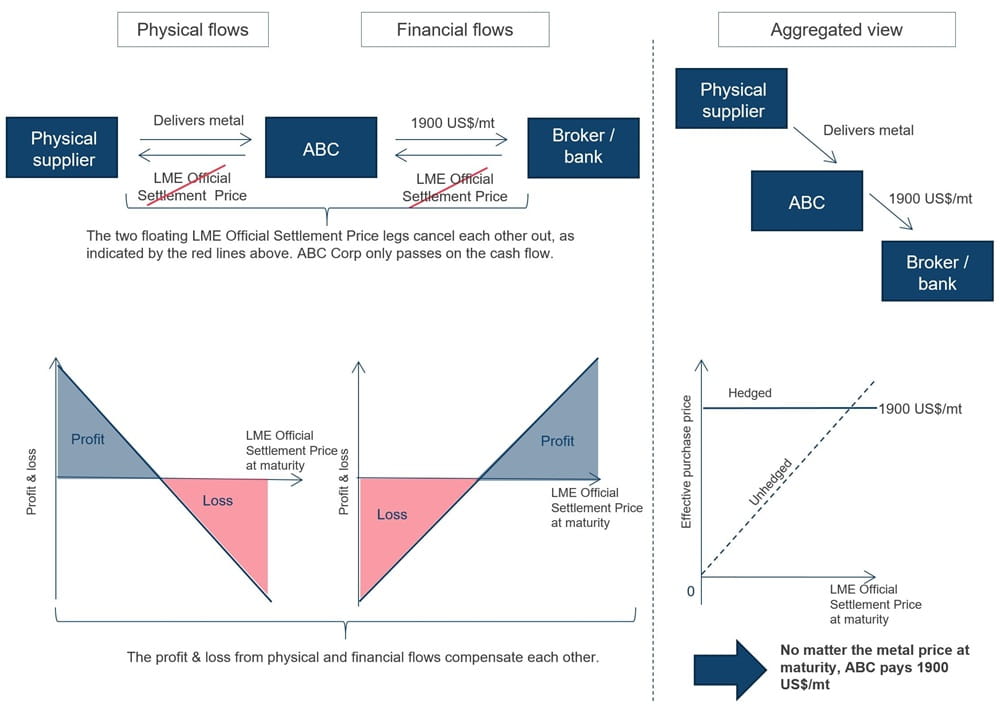
*Understanding Hedging in Finance*
Financial hedging involves the use of derivatives, such as options and futures, to protect against adverse price movements in underlying assets. For instance, a farmer can sell futures contracts for the crops they plan to produce to lock in a selling price, thus reducing the risk of price fluctuations. This strategy allows the farmer to focus on crop production without worrying about market volatility.
### Diversification
[](https://insdrcdn.com/media/attachments/f/77/c6207077f__1500x0__q85.png)
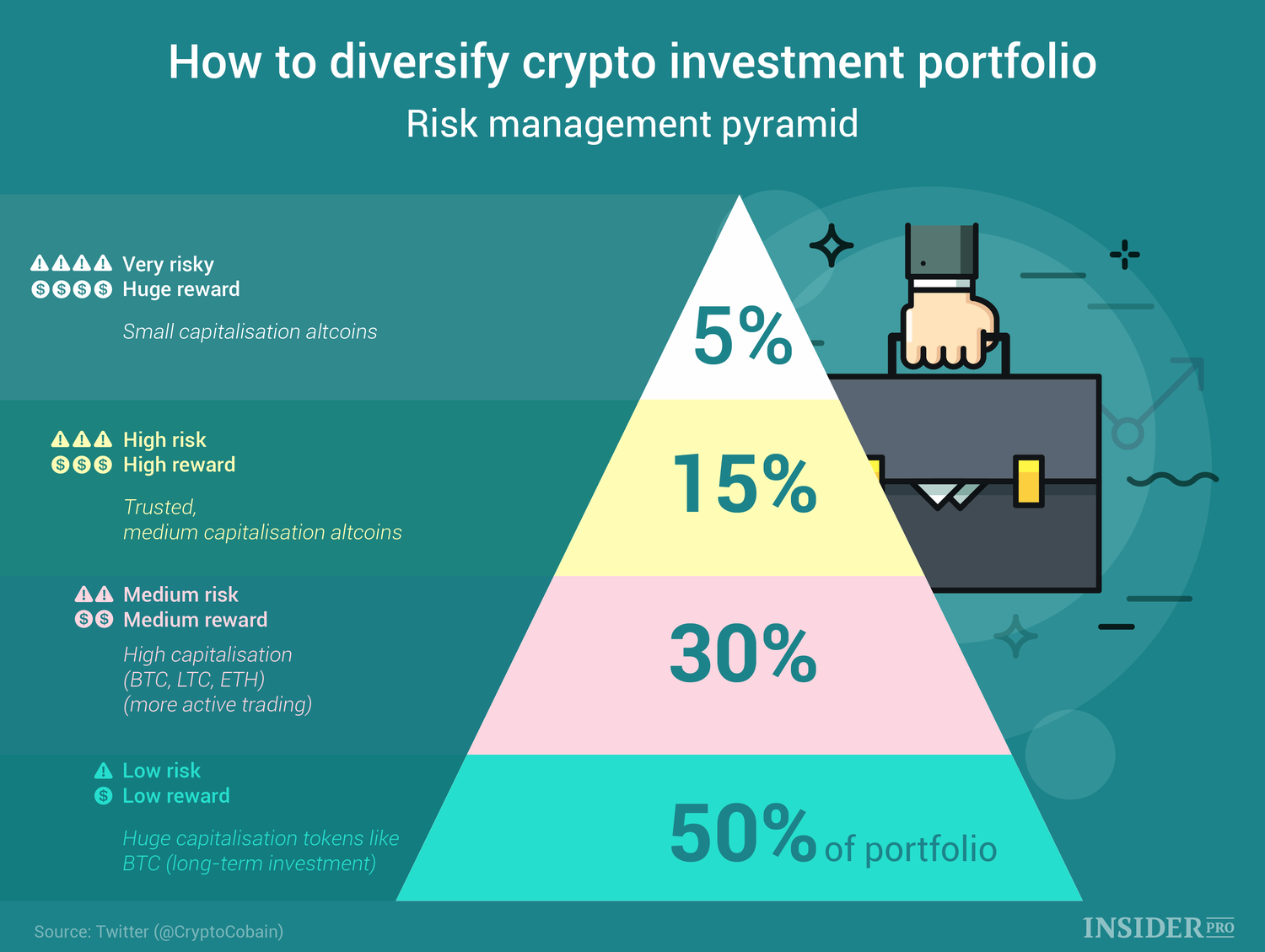
*The Power of Diversification*
Diversification is another essential hedging strategy that involves spreading investments across various asset classes, sectors, or geographical regions. By not putting all eggs in one basket, investors can reduce the overall risk of their portfolio. For example, an investor with a diversified portfolio consisting of stocks, bonds, real estate, and commodities is less likely to experience significant losses if one particular asset class or sector performs poorly.
### Career and Education Hedging
Hedging against uncertainty can also be applied to career and education planning. For college students, pursuing a well-rounded education that exposes them to various disciplines and ideas can help build a strong foundation for future success. By developing a diverse skill set, students can adapt to changing job markets and seize opportunities in emerging fields.
[](https://alumni.ucdavis.edu/sites/g/files/dgvnsk11386/files/styles/sf_landscape_16x9/public/media/images/Image%202%20Diversity%20Awareness%20for%20Leaders%20%281%29_0.png?h=d1cb525d&itok=CUvUyVMt)
*Building a Resilient Career with Education*
For instance, a computer science major with a minor in business or liberal arts can leverage their technical and interdisciplinary knowledge to excel in roles that require both technical expertise and strong communication skills. This approach not only enhances their employability but also enables them to navigate the evolving landscape of their chosen industry.
### Personal Development and Well-being
Hedging against uncertainty can also extend to personal development and well-being. By investing in one's physical, emotional, and mental health, individuals can build resilience and adaptability in the face of adversity.
[](https://www.wellable.co/blog/wp-content/uploads/2022/08/Personal%20Development-1200x924.png)
*Enhancing Personal Well-being*
For example, engaging in regular exercise, practicing mindfulness, and cultivating a strong support network can help individuals cope with stress, anxiety, and other challenges that may arise from uncertainty. By prioritizing personal well-being, individuals can enhance their ability to adapt and thrive in various situations.
Key Insights and Further Exploration
-----------------------------------
Hedging against uncertainty is a powerful strategy for managing risks and enhancing resilience. By understanding and applying the principles of hedging, individuals and organizations can better navigate the challenges of an uncertain world and seize opportunities that arise from volatility.
To further explore this topic, consider the following avenues:
* Delve deeper into financial hedging strategies, such as options, futures, and swaps.
* Investigate the role of hedging in various industries, such as technology, healthcare, and energy.
* Examine the impact of hedging on entrepreneurship and innovation.
* Analyze the role of government policies and regulations in promoting or hindering hedging strategies.
* Explore the psychological aspects of hedging, including risk perception, decision-making, and behavioral finance.
By embracing uncertainty and developing strategies to hedge against it, college students can cultivate the intellectual agility, resilience, and adaptability required to thrive in an ever-changing world.
Last updated: 2024-03-20
Related Books

Related Knowledges