### The Power of Compounding Returns: A Journey into the Dao of Capital
In his book, "The Dao of Capital: Navigating the Financial Markets Using a Ancient Chinese Philosophy," Mark Spitznagel introduces the concept of the 'Dao of Capital' - a philosophy that embodies the power of compounding returns and the significance of patience, resilience, and long-term thinking in the world of finance and investing.
#### What are Compounding Returns?
Compounding returns refer to the process by which the value of an investment increases over time due to the reinvestment of earnings, generating additional earnings that are then reinvested, and so on. This phenomenon, also known as 'compound interest,' is a powerful force that can significantly grow an investor's wealth over extended periods.
[](https://www.investopedia.com/thmb/nkwVV6fOnaOF5fY7k6lnPz2fVTY=/1500x0/filters:no_upscale%28%29:max_bytes%28150000%29:strip_icc%28%29/compounding.asp-final-11c1b77f605d4ed0a317f0cf32c73b3f.png)
*The concept of compounding returns.*
#### The Relevance of Compounding Returns
Understanding and harnessing the power of compounding returns is crucial for long-term financial success. By embracing the principles of patience, discipline, and a long-term perspective, investors can build wealth steadily and consistently, even in the face of market volatility and uncertainty.
#### Applications and Examples
##### Example 1: Albert Einstein's Compound Interest Formula
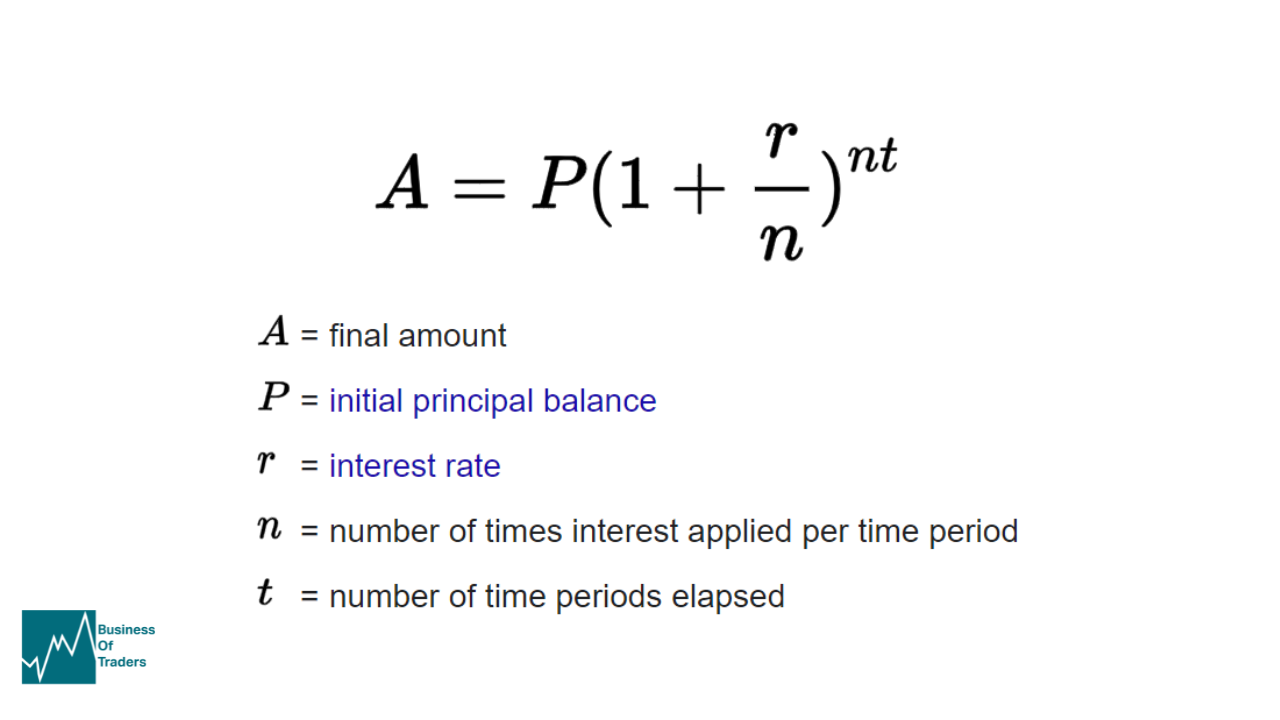
Albert Einstein famously referred to compound interest as the 'eighth wonder of the world,' stating that 'he who understands it, earns it; he who doesn't, pays it.' The formula for compound interest is as follows:
A = P (1 + r/n)^(nt)
[](https://media.licdn.com/dms/image/D4E12AQG51cb8b5Ameg/article-cover_image-shrink_720_1280/0/1661341566112?e=2147483647&v=beta&t=NY6NQp-VYGyrbe0CtrdeVDQ288tvS3umve30rN8jV9I)
*Example of compound interest calculation.*
Where:
- A is the future value of the investment
- P is the principal investment amount
- r is the annual interest rate (in decimal form)
- n is the number of times interest is compounded per year
- t is the number of years
Consider an example where an individual invests $10,000 at an annual interest rate of 5% (0.05), compounded annually. After 10 years, the future value of the investment would be:
A = $10,000 \* (1 + 0.05/1)^(1*10)
A = $10,000 \* (1.05)^10
A = $16,288.95
This example demonstrates the potential growth of an initial investment over a 10-year period, assuming a fixed annual interest rate and compounding once per year.
##### Example 2: Real-World Investing
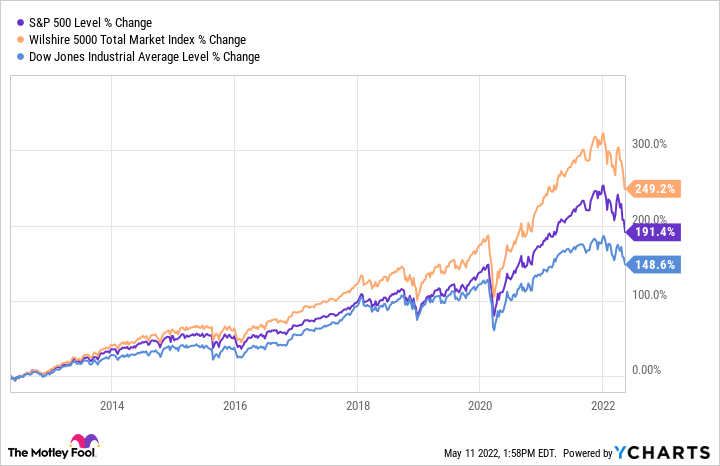
In the real world, compounding returns can be observed in various investment scenarios. For instance, consider an investor who consistently invests $500 per month in a low-cost index fund that tracks the S&P 500, starting at age 25. Assuming an average annual return of 7% (after accounting for inflation), the investor's portfolio would be worth approximately $1,555,000 by age 65.
[](https://m.foolcdn.com/media/dubs/images/httpsmedia.ycharts.comcharts063e59535171e9c81c.width-880.png)
*Real-world investing example with compounding returns.*
This example highlights the importance of consistent investing and the power of compounding returns over extended periods. By harnessing the power of compounding, investors can build substantial wealth even with modest monthly contributions.
#### Key Insights and Further Exploration
The power of compounding returns is a fundamental concept that can significantly impact an individual's financial well-being. By embracing the principles of patience, discipline, and long-term thinking, investors can harness the power of compounding to build wealth steadily and consistently.
To further explore the topic of compounding returns, consider the following:
- Research the impact of compounding on various investment vehicles, such as stocks, bonds, and real estate.
- Examine the role of compounding in the context of different investment strategies, such as value investing and growth investing.
- Investigate the role of compounding in the success of notable investors, such as Warren Buffett and Charlie Munger.
- Consider the implications of compounding on an individual's retirement savings and financial planning.
By delving deeper into the power of compounding returns, college students can develop a solid foundation for long-term financial success and become more informed and responsible investors.
Last updated: 2024-03-20
Related Books

Related Knowledges