# Strategic Inflection Points: Recognizing and Responding to Critical Shifts
In today's rapidly changing business landscape, understanding and responding to strategic inflection points (SIPs) is crucial for long-term success. Coined by Intel's former CEO Andrew S. Grove in his book *Only the Paranoid Survive*, SIPs refer to those "changes so profound that they constitute strategic inflection points: points where the curve bends so much that the old strategies and the old rules of the game no longer apply" (Grove, 1996). Recognizing and effectively navigating these critical junctures can be the difference between a company's survival and decline. In this comprehensive guide, we delve into the core concepts and practical implications of SIPs, providing real-world examples and actionable insights for college students.
[](http://content.tegna-media.com/photo/2016/03/22/635941917961588841-Grove_1099981_ver1.0.jpg)
*Andrew S. Grove, former CEO of Intel*
## Core Concepts and Relevance
SIPs are not just incremental changes; they are transformational shifts that significantly impact a company's competitive landscape, business model, and market position. These changes can stem from a variety of factors, including technological advancements, regulatory shifts, demographic changes, or disruptive innovations.
Recognizing SIPs early and formulating appropriate responses is vital for strategic planning and decision-making. According to Grove, the primary challenge lies in distinguishing between "normal noise" and significant, transformational changes. He emphasizes that paranoia – being constantly aware of potential SIPs and their implications – is an essential trait for business leaders in navigating these inflection points.
## Examples of Strategic Inflection Points
### 1. Digital Music and the Decline of CDs
The music industry experienced a significant SIP with the advent of digital music platforms, such as iTunes and Spotify. These platforms fundamentally changed how consumers accessed, purchased, and listened to music. As a result, CD sales plummeted, and companies that failed to adapt to the digital shift faced severe consequences. For instance, Tower Records, once a dominant force in the music retail industry, filed for bankruptcy in 2006, unable to cope with the digital disruption.
[](https://www.muvi.com/wp-content/uploads/2017/08/The-Evolution-of-Online-Audio-Streaming-1.jpg)
*Digital Music Platforms Evolution*
### 2. Online Shopping and the Retail Apocalypse
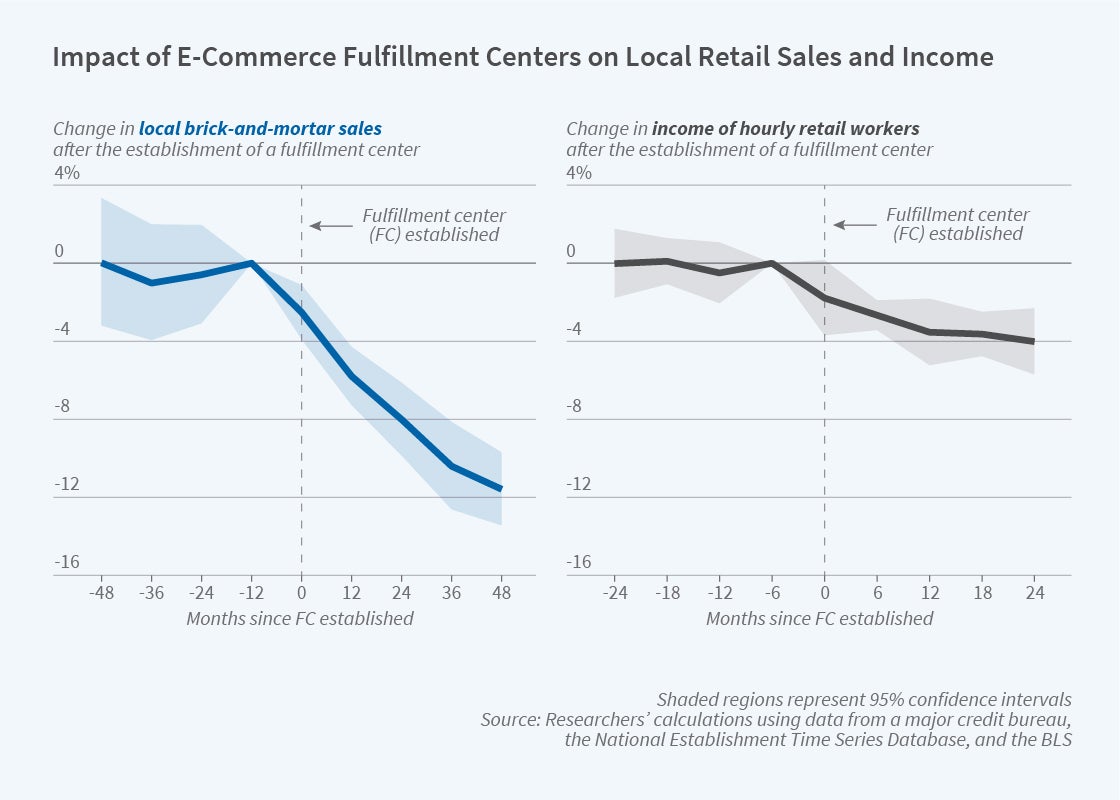
The rise of e-commerce has resulted in a seismic shift in the retail industry, with traditional brick-and-mortar stores struggling to compete with online giants such as Amazon. As consumers increasingly turned to online shopping for its convenience and competitive pricing, many established retailers failed to adapt and innovate in response. As a result, the retail landscape has experienced what some have referred to as an "apocalypse," with numerous prominent retailers, such as Sears, J.C. Penney, and Toys "R" Us, facing significant financial difficulties or bankruptcy.
[](https://www.nber.org/sites/default/files/inline-images/w30077.jpg)
*Impact of E-commerce on Retail*
## Practical Implications and Applications
Understanding the concept of SIPs and their impact on business is crucial for college students embarking on their professional journeys. Here are some practical implications and applications for recognizing and responding to SIPs:
1. **Foster a culture of strategic paranoia**: Encourage a mindset of constant vigilance and adaptability, recognizing that change is inevitable and that SIPs can emerge from various sources.
2. **Monitor industry trends and leading indicators**: Regularly track and analyze industry trends, technological advancements, and competitor actions to identify potential SIPs and their potential impact on your organization.
3. **Encourage experimentation and calculated risk-taking**: Foster an environment that supports innovation and embraces risks, enabling your organization to stay ahead of emerging SIPs and respond nimbly to market shifts.
4. **Develop contingency plans**: Develop contingency plans for various SIP scenarios, enabling your organization to react quickly and effectively when confronted with transformational changes.
5. **Implement strategic workforce development**: Invest in workforce development initiatives that emphasize continuous learning, reskilling, and upskilling, ensuring that your workforce stays relevant and agile in the face of SIPs.
## Further Exploration
To further explore the concept of strategic inflection points and its implications for business and leadership, consider the following resources:
- Grove, A. S. (1996). *Only the Paranoid Survive: How to Exploit the Crisis Points That Challenge Every Company*. Houghton Mifflin.
- Christensen, C. M. (1997). *The Innovator's Dilemma: When New Technologies Cause Great Firms to Fail*. Harvard Business Press.
- Hamel, G., & Valikangas, L. (2003). The Quest for Resilience. *Harvard Business Review*, 81(5), 52-63.
- Schmitt, F., & Singh, H. (2012). Digital Tipping Points: How Companies Can Seize the Digital Future. *MIT Sloan Management Review*, 53(3), 79-85.
By understanding and effectively navigating strategic inflection points, college students can become better equipped to thrive in an ever-evolving business landscape, positioning themselves as valuable contributors and adaptable leaders in their chosen careers.
Last updated: 2024-05-29
Related Books

Related Knowledges