Cascading Communication: A Crucial Component of Organizational Success
==================================================================
Cascading communication is a powerful concept that plays a crucial role in organizational success. This effective communication strategy is deeply ingrained in the management philosophy of Intel's former CEO, Andrew S. Grove, and is discussed extensively in his influential book "Only the Paranoid Survive." In this piece, we will delve into the core concepts of cascading communication, its relevance, and practical implications through diverse examples and applications.
[](https://cdn.britannica.com/60/160060-004-52594DEC/Andrew-S-Grove.jpg)
*Andrew S. Grove discussing communication*
Core Concepts and Relevance
----------------------------
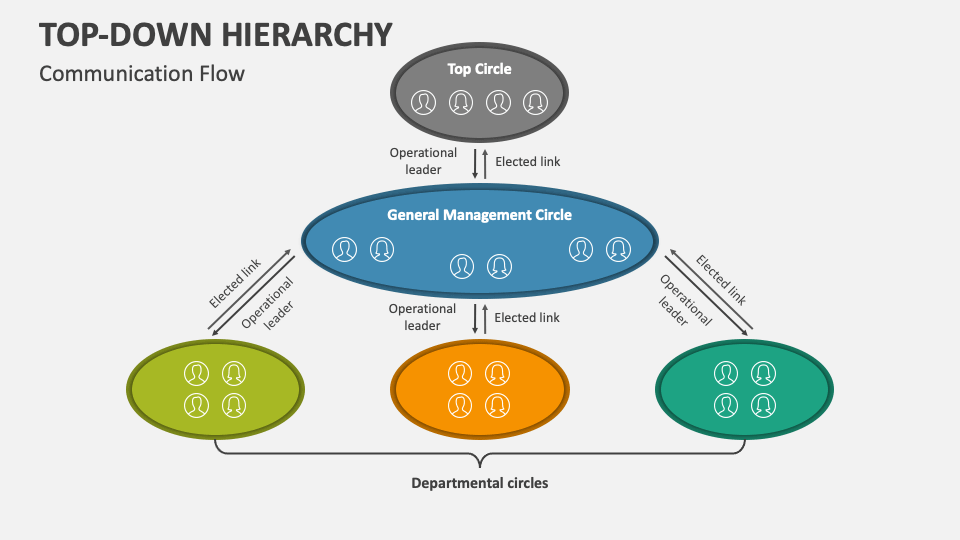
Cascading communication is a systematic, top-down approach to information dissemination within an organization. The strategy aims to ensure that critical information and decisions are effectively passed down through the organizational hierarchy, reaching every level and employee. In the words of Andrew Grove, "There is a temptation in management to think that a one-time proclamation is sufficient to get the job done. It isn't." Cascading communication, thus, stresses the need for continuous, reinforced communication to achieve a shared understanding and foster alignment across the organization.
[](https://www.collidu.com/media/catalog/product/img/b/8/b8307956766ba3f69950e0146d6c9584b0d3e9c6b94f6750bd487a93ca0f4493/top-down-hierarchy-slide3.png)
*Top-down communication flow diagram*
The concept is highly relevant for college students as they prepare to enter the workforce and take on leadership roles. As future managers and executives, understanding the importance of cascading communication will enable them to effectively communicate strategic decisions, promote transparency, and enhance overall organizational performance.
Practical Implications: Examples and Applications
-----------------------------------------------
### Strategic Decision Making: Mergers and Acquisitions
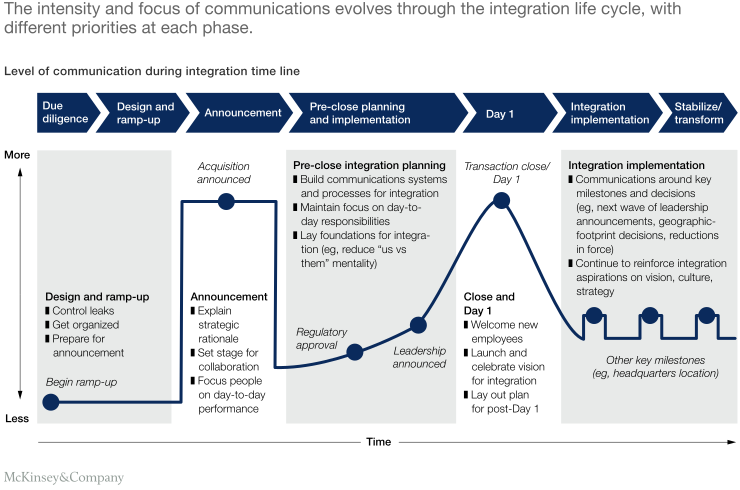
Cascading communication is essential during mergers and acquisitions (M&A), as it helps create a unified vision among employees from both entities. For instance, when Daimler-Benz acquired Chrysler in 1998, the German automaker faced significant challenges integrating the two workforces. The company failed to effectively cascade communication about the strategic rationale, goals, and expected outcomes of the merger. As a result, employees from both organizations experienced a lack of clarity and direction, ultimately leading to the deal's failure and the separation of the two companies in 2007.
Effective cascading communication during M&A can help address potential misunderstandings, reduce employee anxiety, and promote the adoption of new processes and systems. By providing timely, transparent, and consistent information, leaders can facilitate the integration of teams, build trust, and create a shared sense of purpose, setting the stage for a successful merger or acquisition.
[](https://www.mckinsey.com/~/media/mckinsey/business%20functions/people%20and%20organizational%20performance/our%20insights/communications%20in%20mergers%20the%20glue%20that%20holds%20everything%20together/svgz-communications-in-mergers-ex1-extended.svgz?cq=50&cpy=Center)
*M&A communication strategy*
### Organizational Change and Crisis Management
Cascading communication is equally important during periods of organizational change or crises. For example, in 2011, when Nissan's then-CEO Carlos Ghosn announced a major restructuring plan to revive the company's struggling US operations, he recognized the critical role of cascading communication in ensuring the plan's success.
Ghosn and his team developed a comprehensive communication strategy to cascade information about the restructuring plan to all employees. They held town hall meetings, conducted employee surveys, and used digital platforms to reinforce the message. This approach helped Nissan achieve high levels of employee engagement and alignment, enabling the company to meet its ambitious turnaround goals.
[](https://allassignmentexperts.com/blog/wp-content/uploads/2024/02/Assignment-Helper-4-820x312.png)
*Nissan restructuring communication*
Key Insights and Further Exploration
------------------------------------
Cascading communication is a powerful tool for organizational success. By understanding its core concepts and practical implications, college students can become better equipped to tackle complex communication challenges in their future careers.
To further explore the topic of cascading communication and its applications, consider the following avenues:
1. Research case studies of successful cascading communication strategies in various industries, analyzing the key factors that contributed to their success.
2. Examine the impact of digital communication tools on cascading communication, exploring how technology can facilitate or hinder the process.
3. Investigate the role of leadership styles in cascading communication, comparing and contrasting the effectiveness of transformational vs. transactional leadership approaches.
By delving deeper into cascading communication, students can enhance their communication skills, better understand the complexities of organizational dynamics, and ultimately contribute to the success of their future organizations.
Last updated: 2024-06-27
Related Books

Related Knowledges