Emotional Control: The Key to Successful Investing
================================================
Investing is not just about numbers, charts, and graphs. It is also about understanding and managing our emotions. This is where the concept of emotional control comes into play. Emotional control is the ability to manage and regulate our emotions, especially during times of stress and uncertainty. It is a crucial skill that all investors should master to achieve long-term success.
*Managing emotions is crucial for successful investing.*
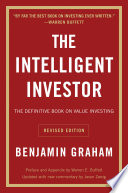
In his book, "The Intelligent Investor," Benjamin Graham emphasizes the importance of emotional control in investing. He argues that investors who can control their emotions are more likely to make rational and informed decisions, which can lead to higher returns in the long run.
*Benjamin Graham, author of "The Intelligent Investor", highlighted the importance of emotional control.*
The Relevance of Emotional Control in Investing
-----------------------------------------------
Emotional control is particularly relevant in investing because the market is inherently unpredictable and volatile. Prices can fluctuate wildly, and unexpected events can have a significant impact on investment values. These fluctuations and uncertainties can trigger strong emotions, such as fear, greed, and regret, which can lead to impulsive and irrational decisions.
*Market volatility can trigger strong emotions like fear and greed, influencing investment decisions.*
For example, during a market downturn, investors may feel anxious and worried about their investments. They may be tempted to sell their holdings to minimize their losses, even if the underlying companies are fundamentally sound. This emotional reaction can lead to missed opportunities and lower returns in the long run.
On the other hand, during a market upturn, investors may feel euphoric and overconfident. They may be tempted to invest heavily in the market, even if the prices are inflated and overvalued. This emotional reaction can lead to speculative bubbles and subsequent market crashes.
*Emotional reactions during market downturns \(panic selling\) and upturns \(euphoric buying\) can lead to poor outcomes.*
Examples of Emotional Control in Action
-------------------------------------
### Example 1: The Dot-Com Bubble
The dot-com bubble of the late 1990s is a classic example of the consequences of emotional control in investing. During this time, investors were caught up in the euphoria of the internet revolution. They poured billions of dollars into technology startups, even if these companies had no profits, no revenue, and no clear path to profitability.
As a result, stock prices soared, and many investors became millionaires overnight. However, this irrational exuberance was not sustainable. When the bubble burst in 2000, many of these companies went bankrupt, and investors lost their shirts.
*The dot-com bubble illustrates the consequences of irrational exuberance in investing.*
In contrast, investors who practiced emotional control and followed a value investing approach, such as Warren Buffett, avoided the hype and focused on buying undervalued stocks. They waited patiently for the market to correct itself and reaped the rewards when the market recovered.
*Investors like Warren Buffett, who practice value investing, focus on fundamentals rather than market hype.*
### Example 2: The Financial Crisis of 2008
The financial crisis of 2008 is another example of the importance of emotional control in investing. During this time, investors were gripped by fear and panic as the housing market collapsed, and financial institutions failed.
Many investors sold their holdings indiscriminately, even if the underlying companies were financially sound. This emotional reaction led to a vicious cycle of selling, which exacerbated the market downturn and led to further losses.
*The 2008 financial crisis saw widespread panic selling, further exacerbating market losses.*
However, investors who practiced emotional control and followed a disciplined investment strategy, such as dollar-cost averaging, were able to weather the storm and take advantage of the market volatility. They bought stocks at a lower price and reaped the rewards when the market recovered.
*Dollar-cost averaging helps investors weather market storms by buying consistently over time.*
Key Insights and Further Exploration
-----------------------------------
Emotional control is a crucial skill that all investors should master to achieve long-term success. By managing and regulating our emotions, we can make rational and informed decisions, even in times of stress and uncertainty.
To further explore the topic of emotional control in investing, here are some suggestions:
* Read "The Intelligent Investor" by Benjamin Graham and "The Psychology of Money" by Morgan Housel. These books provide valuable insights into the emotional and psychological aspects of investing.
* Practice mindfulness and meditation to develop self-awareness and emotional regulation. These techniques can help investors stay calm and focused during market volatility.
* Follow a disciplined investment strategy, such as value investing or dollar-cost averaging, to avoid emotional decision-making. These strategies provide a framework for making rational and informed decisions.
* Seek the advice of a financial advisor or mentor who can provide objective and unbiased guidance during times of uncertainty.
*Practicing emotional control and following a disciplined strategy leads to long-term investment success.*
Conclusion
----------
Emotional control is the key to successful investing. By managing and regulating our emotions, we can make rational and informed decisions, even in times of stress and uncertainty. By practicing emotional control, investors can achieve long-term success and financial freedom.
Last updated: 2026-11-09
Related Books
Related Knowledges