# Income Investing: Generating a Steady Stream of Revenue
Income investing is a crucial concept in the world of finance and investing. It is an investment strategy focused on generating a steady stream of income, typically in the form of dividends or interest payments. This investment approach is especially relevant for investors who are retired or nearing retirement, as it can provide a reliable source of income to support their living expenses. In this essay, we will delve into the core concepts of income investing, drawing on insights from Benjamin Graham's seminal work, "The Intelligent Investor." We will provide diverse examples and applications to illustrate its practical implications, making the material engaging and insightful for college students.
## Core Concepts of Income Investing
Income investing is built on the premise of generating a consistent and stable income stream. This strategy is particularly appealing to investors who prioritize capital preservation and income generation over capital appreciation. In "The Intelligent Investor," Benjamin Graham emphasizes the importance of income investing as a means of achieving financial stability and long-term wealth accumulation.
At its core, income investing involves selecting securities that consistently generate income, such as dividend-paying stocks, bonds, and real estate investment trusts (REITs). To build a robust income investing portfolio, one must consider factors such as dividend yield, dividend growth, credit quality, and interest rate risk. By carefully assessing these factors, investors can construct a diversified portfolio that provides a steady stream of income while minimizing risk.
## Dividend-Paying Stocks: A Closer Look
Dividend-paying stocks are a cornerstone of income investing. These are shares in companies that distribute a portion of their earnings to shareholders in the form of dividends. When evaluating dividend-paying stocks, investors should consider several key factors, including:
[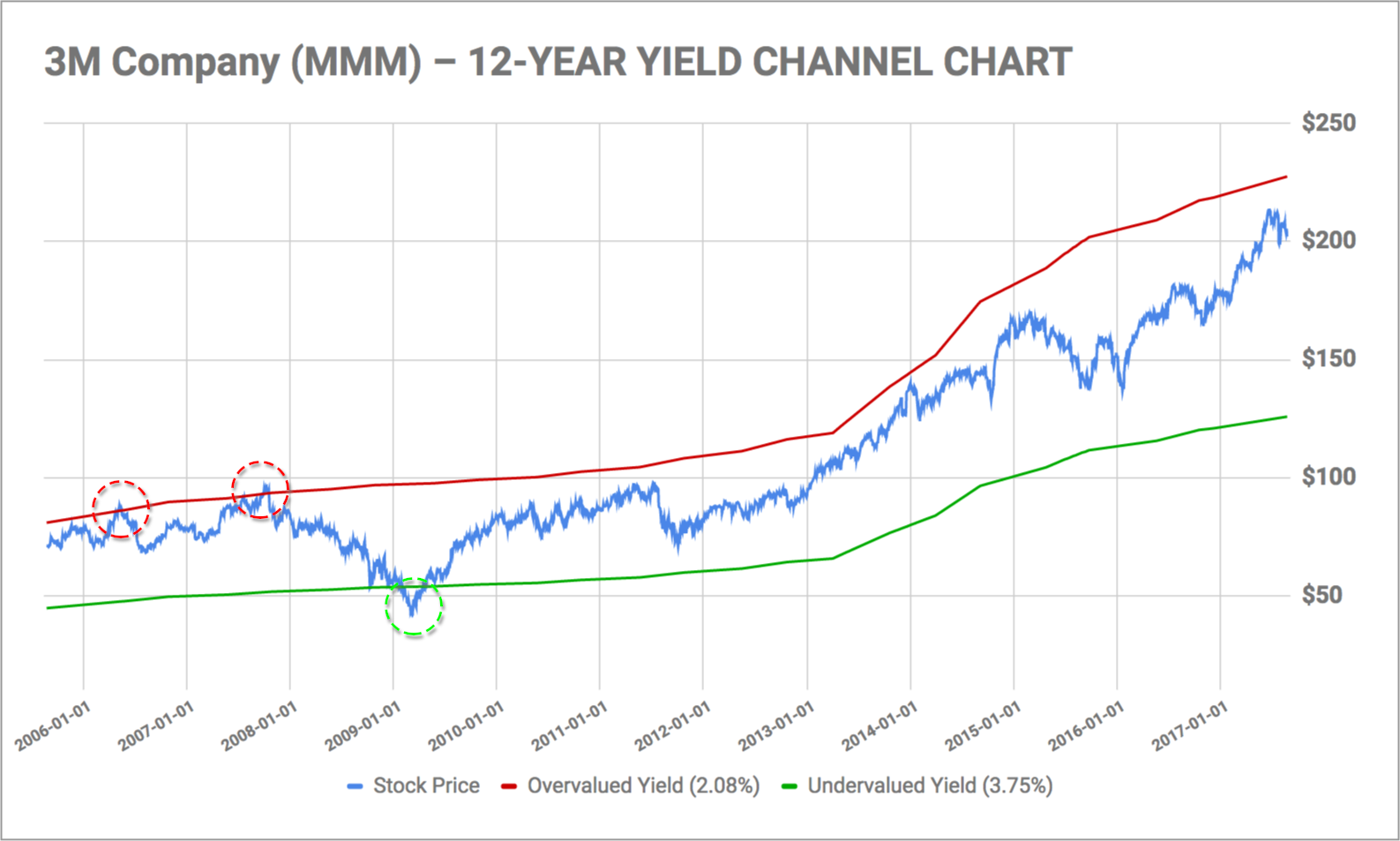](https://static.seekingalpha.com/uploads/2017/8/28/saupload_yield-channel-charts-MMM.png)
*Dividend-paying stocks*
1. Dividend Yield: The dividend yield is a financial ratio that measures the annual dividend payment relative to the stock's price. A higher dividend yield generally indicates a higher income payout for investors. However, investors should be cautious of excessively high yields, as these may indicate underlying financial distress.
2. Dividend Growth: Dividend growth is another crucial factor to consider when evaluating dividend-paying stocks. A company that consistently increases its dividend payout demonstrates financial strength and a commitment to rewarding shareholders.
3. Payment Stability: Investors should also assess a company's history of dividend payments to determine the stability of its dividend policy. A company with a consistent track record of paying dividends is generally a safer investment than one with a more volatile dividend history.
## Bond Basics: Understanding Fixed-Income Securities
Bonds are another critical component of income investing. A bond is a fixed-income security that represents a loan made by an investor to a borrower, typically a corporation or government entity. In exchange for the loan, the borrower agrees to make interest payments to the investor, along with the return of the loan's principal at maturity.
When investing in bonds, investors should consider the following factors:
[](https://static.wiseradvisor.com/wiseradvisor/infographics/large/Investment-grade-Infographic-full.jpg)
*Understanding Bonds*
1. Credit Quality: Credit quality is a measure of a borrower's ability to meet its debt obligations. Investors should prioritize bonds with high credit quality, as these are less likely to default on their debt payments.
2. Interest Rate Risk: Interest rate risk refers to the potential decline in a bond's market value due to changes in interest rates. When interest rates rise, bond prices typically fall, leading to capital losses for investors. Conversely, when interest rates decline, bond prices increase, resulting in capital gains.
3. Maturity: The maturity of a bond is the length of time until the borrower is required to repay the loan's principal. Generally, longer-maturity bonds offer higher yields to compensate investors for taking on greater interest rate risk.
## Real-World Applications: Dividend Aristocrats and REITs
To illustrate the practical applications of income investing, let's explore two real-world examples: Dividend Aristocrats and REITs.
### Dividend Aristocrats
Dividend Aristocrats are a select group of S&P 500 companies that have increased their dividends for at least 25 consecutive years. These companies have demonstrated a strong commitment to rewarding shareholders and have a proven track record of financial stability. As a result, Dividend Aristocrats are often considered a safe haven for income-focused investors.
### Real Estate Investment Trusts (REITs)
REITs are companies that own, operate, or finance income-generating real estate properties. REITs typically invest in commercial properties, such as office buildings, shopping malls, and apartment complexes. By law, REITs are required to distribute at least 90% of their taxable income to shareholders in the form of dividends. As a result, REITs offer attractive dividend yields and are a popular choice among income investors.
[](https://www.investopedia.com/thmb/qNxT3vGAwbTuDINC2rM2EkwPZb0=/1500x0/filters:no_upscale%28%29:max_bytes%28150000%29:strip_icc%28%29/Real-Estate-Investment-Trust-189c6cf51a03412b880b12f10ff1ee05.jpg)
*Real Estate Investment Trusts \(REITs\)*
## Conclusion
Income investing is a vital investment strategy that focuses on generating a steady stream of income, typically through dividend-paying stocks, bonds, and REITs. By carefully considering factors such as dividend yield, dividend growth, credit quality, and interest rate risk, investors can construct a diversified portfolio that provides a reliable income stream while minimizing risk.
To further explore the topic of income investing, consider reading "The Intelligent Investor" by Benjamin Graham and conducting additional research on Dividend Aristocrats and REITs. By delving deeper into these concepts, you can enhance your understanding of income investing and become a more informed and successful investor.
Last updated: 2024-06-25
Related Books
Related Knowledges