# Investment Record Keeping: The Importance of Documenting Your Financial Journey
## Introduction
[](https://www.investopedia.com/thmb/1PGUoi5diBREI34IBZoCSphcRfA=/1500x0/filters:no_upscale%28%29:max_bytes%28150000%29:strip_icc%28%29/bengraham.asp-ADD-V1-85a6ac15b8bd4be7af14e7037f1c2443.jpg)
*Benjamin Graham, author of 'The Intelligent Investor'*
In his seminal work, "The Intelligent Investor," Benjamin Graham emphasizes the significance of thorough investment record keeping. The practice of documenting and organizing financial data is crucial for investors as it provides a clear overview of their financial journey, allowing them to make informed decisions and track progress towards their financial goals.
## Core Concepts and Relevance
Investment record keeping encompasses the systematic documentation and organization of financial data related to investments, such as stocks, bonds, mutual funds, and other assets. This process is essential for the following reasons:
[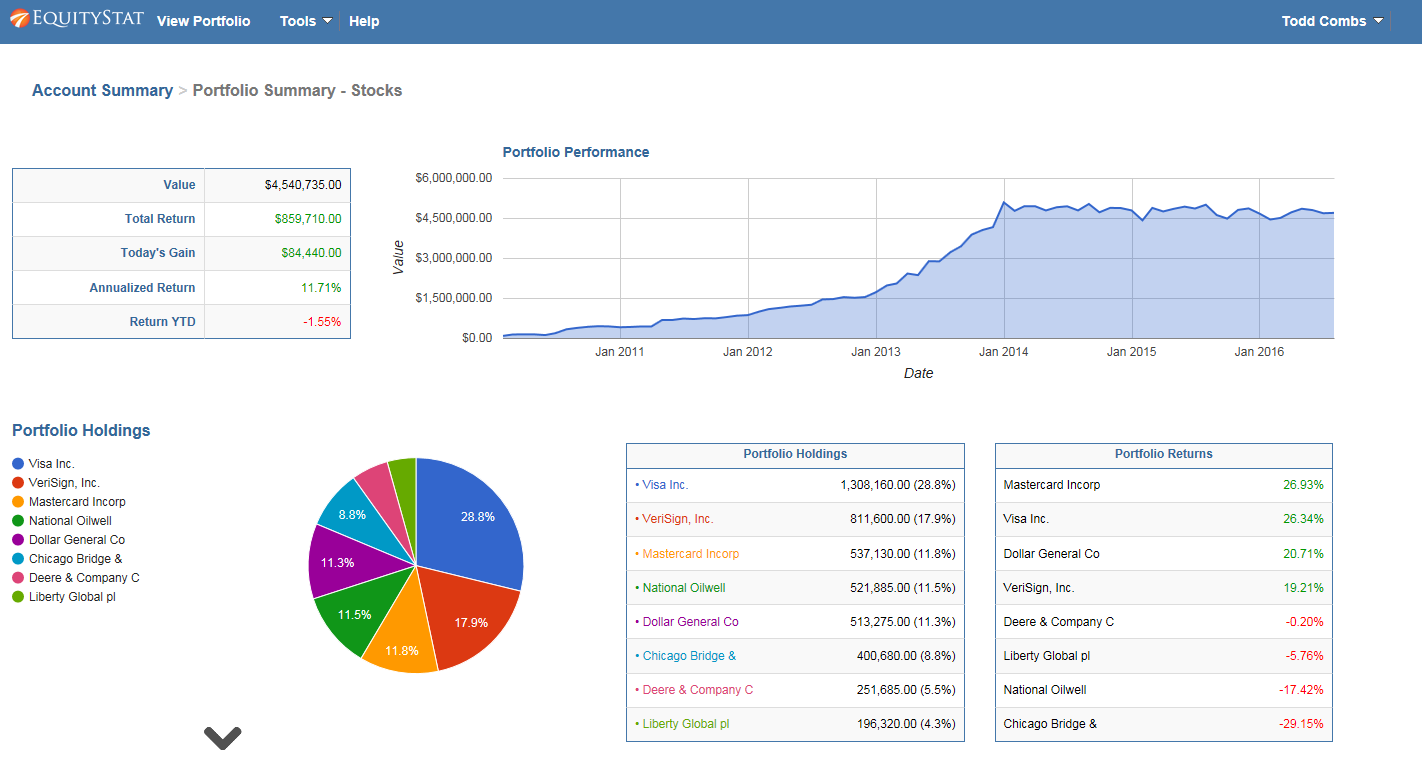](https://www.equitystat.com/wordpress/wp-content/uploads/2017/10/portanalysis.png)
*Example of an investment portfolio analysis*
1. **Monitoring performance:** Regularly reviewing and analyzing investment records helps investors evaluate their returns, identify successful and unsuccessful investments, and develop strategies for improvement. It allows for tracking of the growth of investments over time, which is an indicator of the investor's overall financial health.
2. **Tax and accounting purposes:** Accurate investment records are vital for tax reporting and preparing financial statements. They help investors track capital gains and losses for tax filing, ensuring compliance with tax laws and regulations.
3. **Risk management:** Investment records provide insights into the investor's portfolio diversification and concentration, enabling them to assess and manage risk. By identifying over-concentrated positions, investors can rebalance their portfolios to minimize risk and optimize returns.
## Examples and Applications
### Case Study 1: Identifying Investment Patterns
Consider an investor who has been actively investing in the stock market for the past five years. By maintaining detailed investment records, they can analyze their investing behavior, identifying trends and patterns. For example, the records may indicate that the investor is particularly successful in identifying undervalued growth stocks. By acknowledging this pattern, the investor can allocate a larger portion of their portfolio to growth stocks, enhancing potential returns.
### Case Study 2: Tax Loss Harvesting
[](https://www.investopedia.com/thmb/MLUJRlHhA1IQb4eJiPa6_gjSUaU=/1500x0/filters:no_upscale%28%29:max_bytes%28150000%29:strip_icc%28%29/taxgainlossharvesting.asp-final-00d62f57a67b4b2aa66d7f90d7e60126.png)
*Tax loss harvesting example*
Accurate investment records are essential for effective tax loss harvesting – a strategy that involves selling securities at a loss to offset capital gains. Suppose an investor acquired shares of Company A for $10,000 and sold them for $7,000, resulting in a loss of $3,000. In the same year, they also sold shares of Company B for a profit of $5,000. With detailed investment records, the investor can use the $3,000 loss from Company A to offset the $5,000 gain from Company B, reducing their tax liability.
## Conclusion
Investment record keeping is an indispensable practice for intelligent investors. By meticulously documenting and organizing financial data, investors can monitor performance, manage risk, and fulfill tax and accounting obligations. Key insights from this topic include:
- Systematic investment record keeping facilitates informed decision-making, allowing investors to track progress towards their financial goals.
- Accurate investment records are essential for tax reporting, ensuring compliance with tax laws and regulations.
- Investment records assist in assessing and managing risk by enabling investors to identify over-concentrated positions in their portfolios.
For further exploration of investment record keeping and related topics, consider delving into more specialized literature, such as "The Bogleheads' Guide to Investing" or "A Random Walk Down Wall Street" by Burton G. Malkiel. These resources provide comprehensive overviews of investment strategies, incorporating fundamental principles from Benjamin Graham's work, including investment record keeping. Furthermore, engaging with investment communities and participating in online forums can help expand one's understanding of effective record-keeping practices.
Last updated: 2024-05-22
Related Books
Related Knowledges