Central Banks: Pillars of Financial Stability and Economic Management
======================================================================
In the aftermath of the 2008 financial crisis, three prominent public officials played instrumental roles in navigating the treacherous waters of financial turmoil: Ben S. Bernanke, Timothy F. Geithner, and Henry M. Paulson, Jr. In their respective accounts *Firefighting* (Bernanke), *Stress Test* (Geithner), and *On the Brink* (Paulson), they offer invaluable insights into the operations and significance of central banks during times of economic distress.
[](https://static01.nyt.com/images/2019/05/03/books/review/03Krugman/merlin_25404832_ab4f18b2-b918-4253-b58c-da948f81b8f2-articleLarge.jpg?quality=75&auto=webp&disable=upscale)
*Key figures in the 2008 financial crisis*
At its core, a central bank is a financial institution responsible for managing a country's currency, monetary policy, and maintaining overall financial stability. In the United States, the Federal Reserve (or "the Fed") serves as the primary central bank, while other countries have their own central banking authorities, such as the European Central Bank and the Bank of England.
[](https://cdn.sketchbubble.com/pub/media/catalog/product/optimized1/3/8/3862d9c19eff891f182a3ac62ff3b5994ce734a3131af119e1d12a53b00c4cc2/central-bank-mc-slide1.png)
*Functions of a Central Bank*
The Importance of Central Banks
-------------------------------
Central banks occupy a critical position within the financial ecosystem for several reasons:
1. **Monetary Policy:** Central banks wield immense power over a country's monetary policy framework, including interest rates, reserve requirements, and open market operations. By carefully managing these tools, they can effectively influence inflation rates, employment levels, and overall economic growth.
2. **Financial Stability:** Central banks serve as the lender of last resort, ensuring that critical financial institutions maintain access to necessary funds during times of financial stress or crisis. Moreover, they play a pivotal role in safeguarding the integrity of the financial system by monitoring and addressing potential threats like asset bubbles or systemic risk.
3. **Economic Advisory:** Central banks provide crucial guidance to governments and other stakeholders, offering expert analysis and recommendations on key economic indicators, policy proposals, and long-term strategic planning.
Applications and Examples
------------------------
To further illustrate the practical implications of central banks' roles, let us consider the following examples:
### 1. Quantitative Easing (QE)
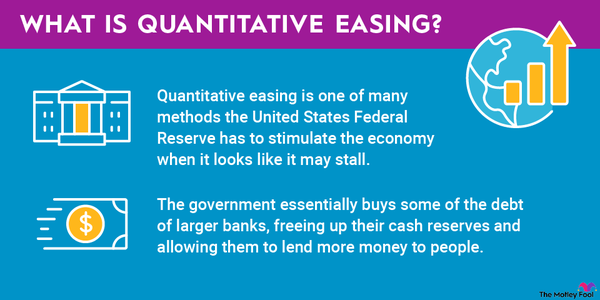
A notable example of central banks' monetary policy prowess is Quantitative Easing (QE), which involves the purchase of securities by a central bank in an effort to inject liquidity into the economy and lower long-term interest rates. The Federal Reserve employed QE extensively during the 2008 financial crisis, purchasing trillions of dollars' worth of Treasury bonds and mortgage-backed securities. This unprecedented intervention bolstered market confidence, supported economic recovery, and kept borrowing costs at historical lows.
[](https://m.foolcdn.com/media/dubs/images/what-is-quantitative-easing-infographic.width-600.png)
*Quantitative Easing Explained*
### 2. Financial Crisis Management: Lehman Brothers
Central banks' role as lenders of last resort became evident during the dramatic collapse of Lehman Brothers in 2008. Despite ample warnings from regulators, Lehman was allowed to fail, sparking a global panic and threatening the stability of financial institutions worldwide. Geithner's *Stress Test* recounts how the Federal Reserve and other central banks coordinated efforts to contain the fallout and preserve financial stability. By providing emergency loans and securities guarantees, they helped prevent a complete collapse of the global financial system.
[](https://cdn.britannica.com/70/254770-050-707D3E1F/Two-employees-of-Christies-auction-house-maneuver-the-collapsed-investment-bank-Lehman-Brothers.jpg)
*Lehman Brothers Collapse 2008*
### 3. Exchange Rate Management: Swiss National Bank
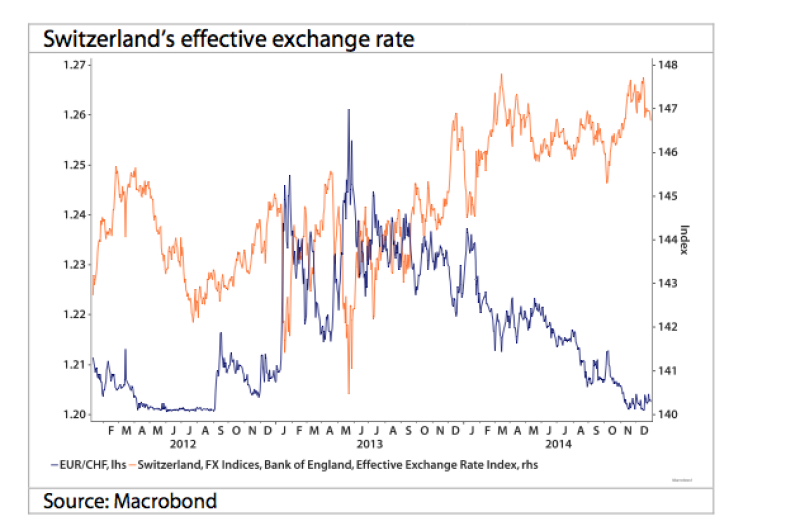
Central banks also play a significant role in managing exchange rates, often intervening in currency markets to keep their nation's currency within desired levels. In 2011, the Swiss National Bank (SNB) famously capped the Swiss franc's value relative to the euro, committing to buy unlimited amounts of foreign currency to maintain the peg. The SNB eventually abandoned the strategy in 2015 after facing mounting losses, highlighting the challenges central banks confront when managing exchange rates.
[](https://assets.euromoneydigital.com/dims4/default/e92d25b/2147483647/strip/true/crop/631x415+0+0/resize/800x526!/quality/90/?url=http%3A%2F%2Feuromoney-brightspot.s3.amazonaws.com%2Fac%2Fd4%2F5cc49201299de34bd24d8088b28b%2Fswiss-effective-exchange-rate.png)
*Swiss National Bank Currency Peg*
Key Insights and Further Exploration
-------------------------------------
In summary, central banks serve as bulwarks against financial instability, economic downturns, and market turbulence. Through their mastery of monetary policy, lender-of-last-resort functions, and ability to provide critical economic guidance, they wield substantial influence over financial systems and economic health worldwide.
To expand your understanding of central banks and their roles, consider exploring the following avenues:
1. **Case Studies:** Dive deeper into specific episodes of central banks' interventions, such as the European Central Bank's response to the Greek debt crisis or the Bank of Japan's battle against deflation.
2. **Comparative Analysis:** Examine the variations in central bank structures, mandates, and policy frameworks across different countries, providing a richer appreciation of their roles in shaping national and international economies.
3. **Policy Debates:** Delve into contemporary debates surrounding central bank independence, inflation targeting, and the future of digital currencies, offering significant insights into the evolving landscape of central banking.
Last updated: 2025-05-31
Related Books

Related Knowledges