Liquidity Traps: Understanding the Unconventional Tools for Monetary Policy
======================================================================
In this session, we'll be discussing a crucial concept from the books Firefighting by Ben S. Bernanke, Timothy F. Geithner, and Henry M. Paulson, Jr. Our topic is **liquidity traps**, which is essential in understanding unconventional monetary policy tools.
Core Concept and Relevance
-------------------------
[](https://www.investopedia.com/thmb/Arh3_HxS9k7BHZbyuzsOtaLKUzw=/1500x0/filters:no_upscale%28%29:max_bytes%28150000%29:strip_icc%28%29/liquiditytrap.asp_Final-6590b33aa8b54861871f159ddcbf8aac.png)
*Understanding Liquidity Traps*
Liquidity traps occur during episodes of prolonged economic stagnation where standard monetary policies are rendered ineffective, and short-term interest rates approach or reach the zero lower bound (ZLB). In such a situation, the traditional transmission channels of monetary policy become impaired, and the central bank finds it challenging to stimulate aggregate demand as the public is reluctant to borrow or lend. This results in a strong preference for holding cash over other financial assets, exacerbating the economic downturn.
Example 1: Japan's Lost Decade
-----------------------------
[](https://thenextrecession.files.wordpress.com/2013/02/020913krugman1-blog480.jpg)
*Japan's Lost Decade: A Case Study*
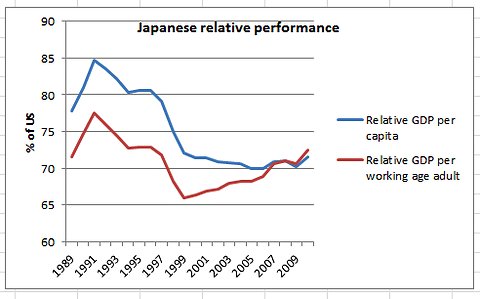
Following the Japanese asset price bubble burst in the early 1990s, deep-seated deflationary pressures, anemic economic growth, and chronic low-interest rates persisted throughout the 1990s and into the 2000s, a scenario economists refer to as Japan's 'Lost Decade'. In this period, the Japanese central bank (Bank of Japan) maintained short-term rates close to zero, however, the interest rate transmission channel was paralyzed as businesses and households remained reluctant to borrow and spend or invest. Despite substantial efforts from the Bank of Japan to boost aggregate demand, it was unsuccessful or insufficient in averting Japan's economic malaise. This exemplifies the perils of a liquidity trap.
Example 2: Global Financial Crisis and its Aftermath
--------------------------------------------------
[](https://www.investopedia.com/thmb/1ct4l03zPw_-STbF8BREGkgBt5w=/1500x0/filters:no_upscale%28%29:max_bytes%28150000%29:strip_icc%28%29/great-recession_sourcefile-1-26478e8a0b5e48ce9df18f92cc991a7e.jpg)
*Global Financial Crisis and Liquidity Traps*
In response to the 2007-2008 Global Financial Crisis (GFC), many countries' central banks, such as the Federal Reserve, borrowing costs lowered to near-zero levels. Nevertheless, the historically low-interest rates were insufficient to jolt the anemic economies back to their pre-crisis health. Disrupted credit markets (disrupted financial intermediation) and fearful consumers and enterprises effectively immunized against low-interest rates contributed to the liquidity trap.
Tools to Overcome Liquidity Traps
---------------------------------
Modern monetary theorists recommend various policies to combat liquidity traps, which are elaborated in detail in the book 'Firefighting'. Some of these measures are as follows:
### Quantitative Easing (QE)
[](https://www.brookings.edu/wp-content/uploads/2021/07/fig1_assets.png)
*Quantitative Easing as a Monetary Policy Tool*
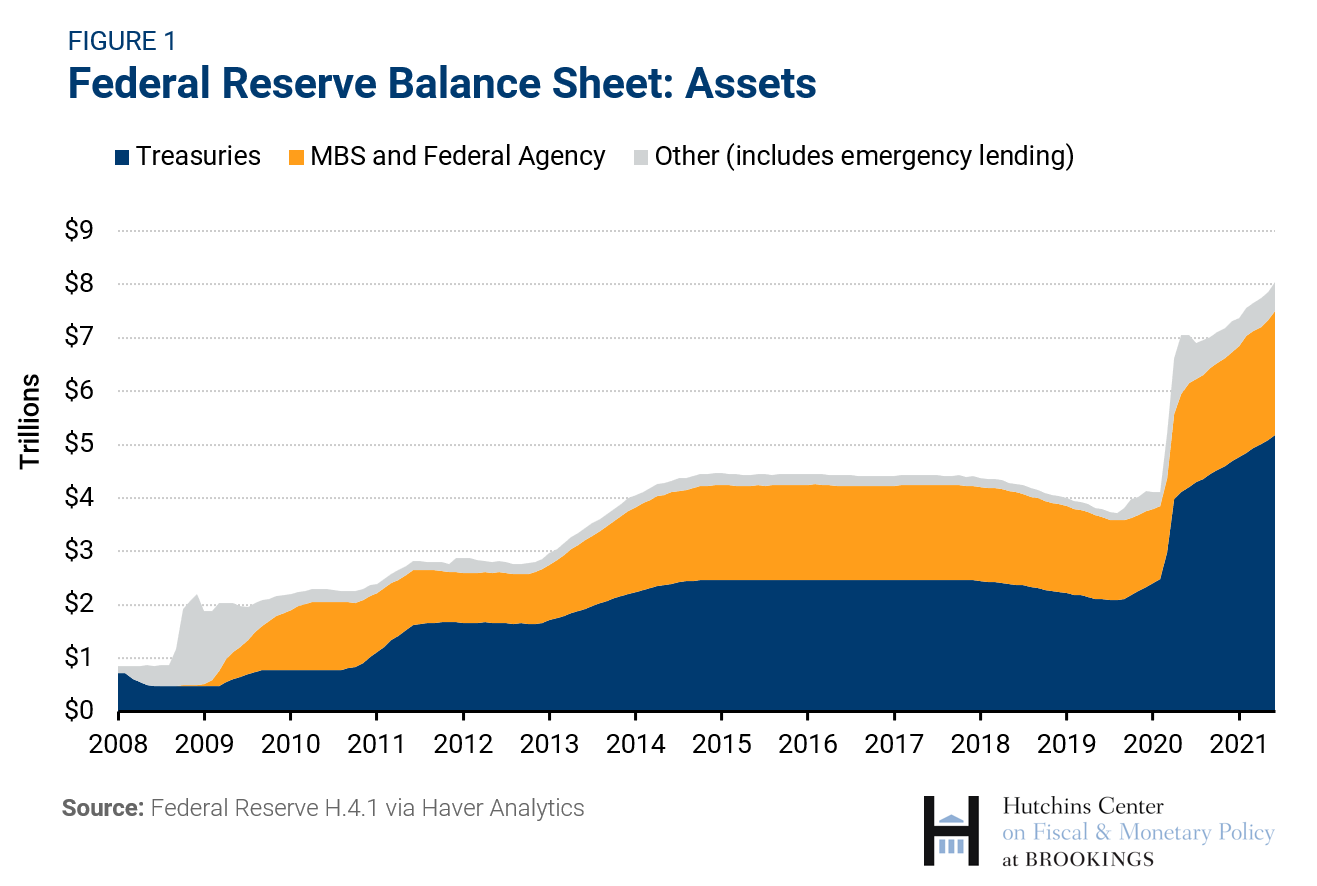
Central banks can purchase large quantities of long-term securities (usually sovereign bonds) from the open market to infuse funds into the economy. This enhances banks' access to credit, reducing long-term interest rates and driving up the price of securities. Bernanke termed this technique as 'credit easing'.
### Forward Guidance
[](https://pbs.twimg.com/media/DRFfkl9X0AAu2-l.jpg)
*Using Forward Guidance in Monetary Policy*
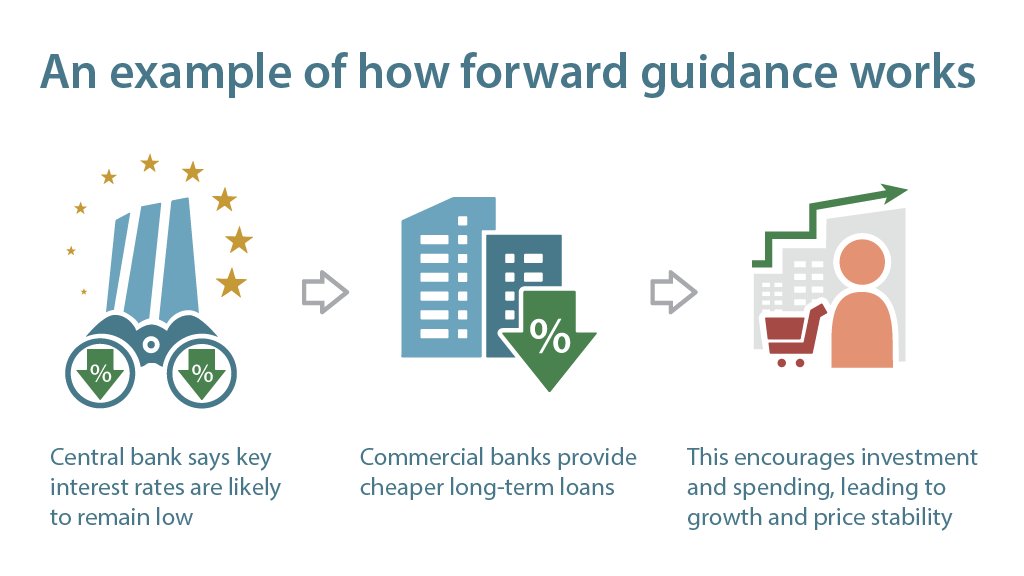
Communication becomes vital in challenging liquidity trap scenarios. Central banks can employ explicit forward guidance on maintaining accommodative policies for extended periods; this is done to soothe market participants' expectations of future interest rate increases.
### Negative Interest Rates
[](https://www.econlib.org/wp-content/uploads/2020/05/Screen-Shot-2020-05-15-at-12.47.45-AM-e1589518173857.png)
*Exploring Negative Interest Rates*
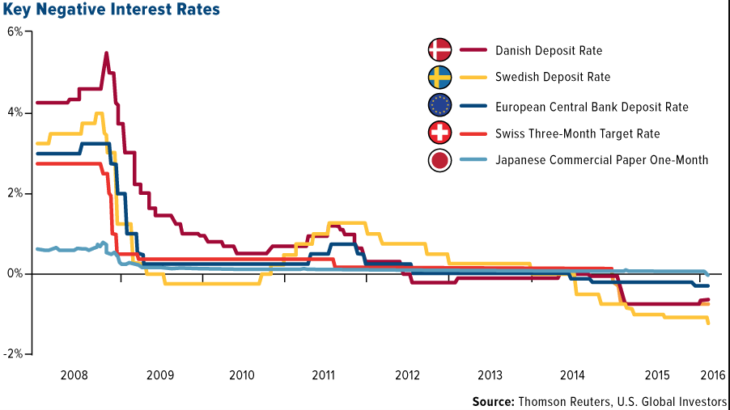
A daring but contentious method is implementing a negative short-term interest rate policy. By imposing a penalty on commercial banks' excess reserves at the central bank, these banks are encouraged to extend loans instead of retaining cash surpluses.
Key Insights and Further Exploration
-------------------------------------
Our examination of liquidity traps from the book 'Firefighting' enables us to grasp the broader implications of the complex channels of monetary policy transmission. In addition, it is essential to examine the fundamental challenge of the zero lower bound for modern central banking. Furthermore, the analysis of liquidity traps motivates students to explore various facets of the macroeconomy, such as the countercyclical role of fiscal policy and the importance of robust financial supervision in financial intermediation.
Nevertheless, it is essential to recognize that the financial crises and policy responses are inherently contextual, thus a one-size-fits-all approach is not suitable. Hence, it is crucial for aspiring policymakers and scholars to appreciate the various channels of policy transmission, the financial system's nitty-gritty, and the art of making a pragmatic judgement call amidst the messy process of policymaking.
### Further Resources
To gain a more comprehensive comprehension of the topic, consider the following valuable resources:
- [Monetary Policy in a Liquidity Trap: An Empirical Analysis of Japan](https://www.frbsf.org/economic-research/files/el2003-18.pdf) - A paper by Takatoshi Ito and Andrew K. Rose
- [Central Banking's Zero-Lower Bound Problem and a Proposal for Overcoming It](https://www.brookings.edu/bpea-articles/central-bankings-zero-lower-bound-problem-and-a-proposal-for-overcoming-it/) - A paper by Marvin Goodfriend
- [A Primer on Unconventional Monetary Policy](https://www.bis.org/publ/work801.htm) - A paper by Claudio Borio, Leonardo Gambacorta, and Boris Hofmann
By mastering the concept of liquidity traps, students pursue the deeper intricacies of monetary policy and financial economics, setting the stage for informed assessments of current and future policy challenges.
Last updated: 2024-04-14
Related Books

Related Knowledges