### Systematic Risk: Understanding the Unpredictable Beast
Financial crises, like the one that struck the world in 2008, can often be traced back to the presence of systematic risk. This unique form of risk, also known as market risk or non-diversifiable risk, is an inherent feature of any financial system. While it might not be possible to eliminate systematic risk entirely, understanding its core concepts is vital for those seeking to navigate the world of finance successfully.
[](https://www.investopedia.com/thmb/1hAyxum-XhdXmZ8rbv9cQNExD04=/1500x0/filters:no_upscale%28%29:max_bytes%28150000%29:strip_icc%28%29/systematicrisk.asp-final-cbc49386de704100b961dfe4371212c9.png)
*Illustration of Systematic Risk*
'Firefighting: The Financial Crisis and Its Lessons' by Ben S. Bernanke, Timothy F. Geithner, and Henry M. Paulson, Jr., provides a wealth of knowledge on this subject. Through their experiences at the helm of major financial institutions during the 2008 crisis, these authors offer invaluable insights into systematic risk and its real-world implications.
#### The Nature of Systematic Risk
Systematic risk is the vulnerability of a wide range of investments or assets to a common factor or event, leading to a correlated decrease in their values. Unlike unsystematic risk (also known as company-specific risk or diversifiable risk), systematic risk cannot be eliminated through diversification. Instead, investors must rely on hedging strategies or absorb the risk as part of the investment process.
The authors of 'Firefighting' encountered systematic risk during the financial crisis of 2008. The collapse of the housing market, fueled by subprime mortgages, led to a chain reaction affecting various financial institutions and markets. Since these risks were interconnected, they could not be mitigated by merely diversifying investment portfolios.
#### Case Study: The 2008 Financial Crisis
The 2008 financial crisis demonstrated the devastating effects of systematic risk. Housing prices declined dramatically, dragging down the value of mortgage-backed securities (MBS). These securities were held by various financial institutions worldwide, spreading the impact and correlating the decline in asset values.
[](https://www.thebalancemoney.com/thmb/Al_fZwP4TKvw21IMFuHa49UuEHg=/1500x0/filters:no_upscale%28%29:max_bytes%28150000%29:strip_icc%28%29/2008-financial-crisis-3305679-final-JS-03a006d464d7465aaf331145a1252beb.png)
*2008 Financial Crisis Overview*
As the values of MBS plummeted, financial institutions faced severe losses. Banks became reluctant to lend, as their balance sheets' deterioration hindered their ability to extend credit. In turn, this worsened the situation, leading to a classic liquidity trap and economic downturn.
Several factors contributed to the crisis, including the mispricing of risk and the complex interplay of financial instruments. However, the core issue was the systematic risk inherent in the interconnectedness of the financial system.
#### Case Study: The Dot-Com Bubble
Another example of systematic risk can be traced back to the dot-com bubble of the late 1990s. During this period, technology stocks, particularly those related to the internet, experienced skyrocketing valuations. Investors, intoxicated by the promise of new technology, overlooked underlying financial fundamentals.
As the bubble grew, tech stocks became overvalued, demonstrating a clear correlation and vulnerability to a common factor, namely the irrational exuberance surrounding technology. Ultimately, the bubble burst, causing a significant and rapid decline in technology stocks' values.
[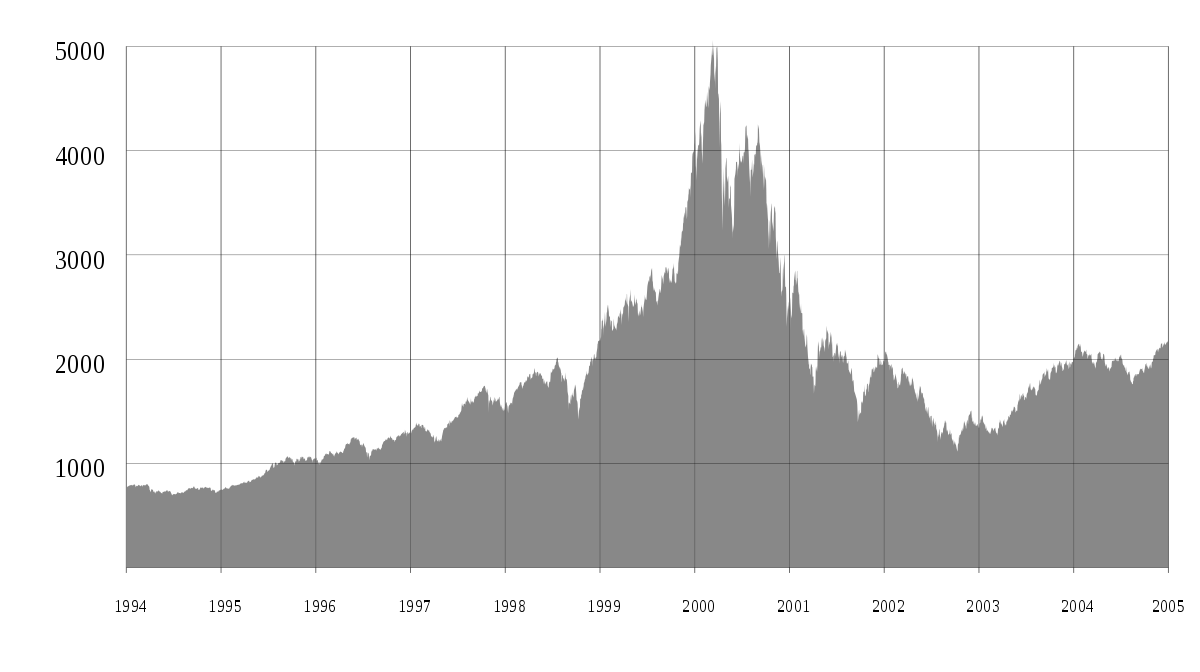](https://upload.wikimedia.org/wikipedia/commons/thumb/8/84/Nasdaq_Composite_dot-com_bubble.svg/1200px-Nasdaq_Composite_dot-com_bubble.svg.png)
*Dot-Com Bubble Burst*
As with the 2008 financial crisis, the dot-com bubble showcased systematic risk's ability to affect various investments and markets. However, its impact was slightly more containable because the linkages between different assets and industries were less pronounced than in the 2008 crisis.
#### Mitigating Systematic Risk
While systematic risk cannot be eliminated entirely, it is possible to take several steps to mitigate its effects:
[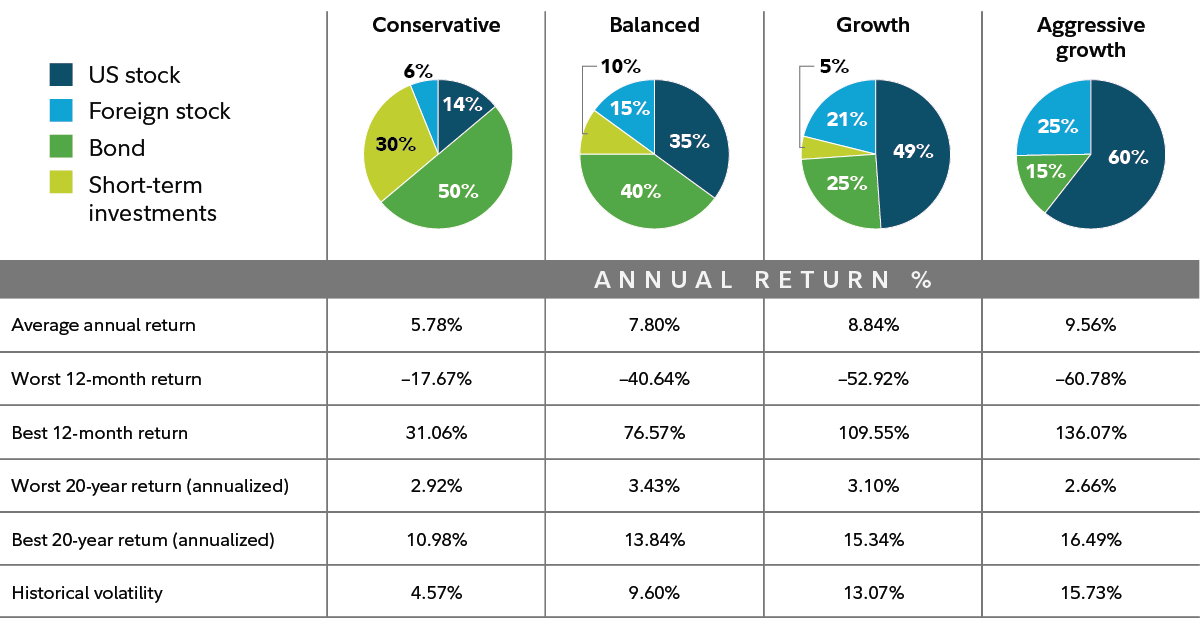](https://www.fidelity.com/bin-public/600_Fidelity_Com_English/images/migration/callouts/callouts-B/611122_diversification2024.png)
*Portfolio Diversification in Finance*
* **Portfolio Diversification:** Although diversification does not address systematic risk directly, it can help protect investors from unsystematic risk. By investing in a variety of assets, sectors, and geographic regions, investors can reduce their exposure to individual company risk.
* **Hedging Strategies:** Investors can employ hedging strategies to help insulate themselves from systematic risk. For example, options, futures, and forwards can be used to offset potential losses from adverse market movements.
* **Risk Management Practices:** Implementing robust risk management frameworks can help institutions identify and address risks more effectively. These frameworks should include stress testing, scenario analysis, and adequate capital buffers.
* **Regulatory Measures:** Policymakers and regulators can play a crucial role in mitigating systematic risk by implementing appropriate regulations, monitoring systemic vulnerabilities, and fostering a resilient financial system.
#### Conclusion
Understanding systematic risk is critical for navigating the world of finance. The 2008 financial crisis and the dot-com bubble demonstrate the unpredictable and destructive power of systematic risk. By employing diversification, hedging strategies, risk management practices, and regulatory measures, investors and institutions can better protect themselves from the perils of systematic risk.
Further exploration of systematic risk can include studying other historical financial crises, examining risk management techniques, and analyzing regulatory frameworks' effectiveness. By delving deeper into systematic risk, students and practitioners can become better equipped to face the challenges and uncertainties that the financial world presents.
Last updated: 2025-05-31
Related Books
Related Knowledges