Financial Crisis: Understanding the Dynamics and Implications
============================================================
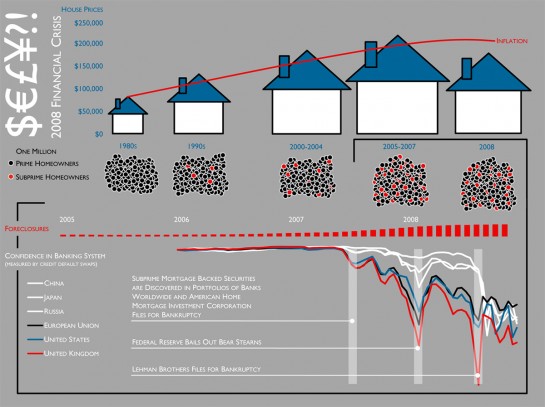
A financial crisis is a systemic failure of financial institutions and markets, resulting in massive disruptions to the real economy. The 2008 financial crisis, studied extensively in 'Firefighting' by Ben S. Bernanke, Timothy F. Geithner, and Henry M. Paulson, Jr., serves as the most relevant example of this phenomenon, with far-reaching implications for students and policymakers alike.
[](https://flowingdata.com/wp-content/uploads/2009/03/aler-recession-fullsize-545x407.jpg)
*2008 Financial Crisis Infographic*
Understanding Financial Crises
-----------------------------
Financial crises manifest through interrelated factors:
[](https://i0.wp.com/betterdwelling.com/wp-content/uploads/2018/09/Toronto-Real-Estate-Prices-Literally-Look-Like-The-Textbook-Chart-For-Asset-Bubble.jpg?fit=1920%2C1080&ssl=1)
*Asset Price Bubble Illustration*
1. **Asset price bubbles**: Asset prices increase significantly, fueled by excessive borrowing and low-interest rates, creating an illusion of wealth.
2. **Excessive risk-taking**: Financial institutions engage in increasingly risky activities, confident in their ability to offload risks and anticipating continued profit growth.
3. **Regulatory failures**: Inadequate risk management practices and regulatory oversight often exacerbate the situation by allowing unchecked risk-taking.
4. **Leverage**: Unsustainable levels of borrowing and debt financing can trigger a rapid deleveraging process when asset values decline or risk perception shifts.
These elements can interact in a complex, non-linear manner, leading to cascading failures across institutions and markets.
### Key players and Institutions
Financial crises involve multiple stakeholders:
- **Central banks**: They manage monetary policy, ensuring price stability while maintaining financial system stability.
- **Treasury departments**: They manage a country's fiscal policy, implementing measures to mitigate crises' economic impacts.
- **Financial institutions**: Commercial banks, investment banks, and other financial intermediaries are at the epicenter of most financial crises.
- **Financial markets**: Equity, bond, and derivative markets facilitate the allocation of capital, with distortions and disruptions having severe consequences in times of crisis.
[](https://www.investopedia.com/thmb/_Rag0R7zCTzN-vmlWfaR0H0Yqjk=/1500x0/filters:no_upscale%28%29:max_bytes%28150000%29:strip_icc%28%29/ben_bernanke_official_portrait-5bfd850646e0fb0051babee8)
*Financial Crisis Key Players*
Real-World Implications
----------------------
The 2008 financial crisis exemplifies the devastating repercussions of a financial crisis, shedding light on the importance of effective regulatory responses and safeguards. Some of the crisis' key dimensions include:
### The Subprime Mortgage Market
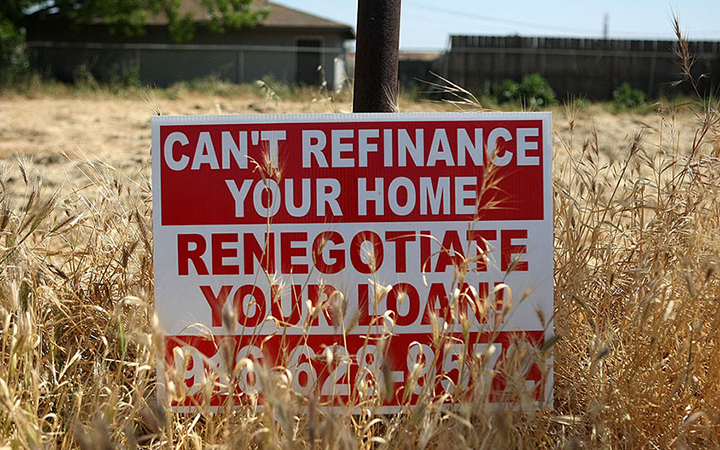
The initial trigger for the 2008 crisis was the U.S. subprime mortgage market, characterized by:
- **Loose underwriting standards**: Inadequate verification of borrowers' income, employment, and assets, leading to a surge in mortgage defaults as interest rates increased.
- **Securitization**: High-risk mortgages were bundled and sold to global investors through structured financial products, allowing risk to spread globally.
- **Predatory lending**: Irresponsible and deceptive lending practices fueled riskier borrowing, amplifying losses throughout the system.
[](http://www.federalreservehistory.org/-/media/images/subprime_mortgage_crisis_720x450.jpg)
*Subprime Mortgage Market*
### Global Financial Contagion
The propagation of the crisis occurred via:
- **Bank runs**: Fears over financial institutions' solvency led to massive deposit withdrawals, magnifying liquidity pressures.
- **Credit crunches**: Disrupted credit supply by struggling financial institutions undermined economic growth.
- **Fire sales**: Forced asset sales by distressed institutions exacerbated price declines, spreading losses.
- **Systemic risk**: An interconnected financial system implied that individual institutions' troubles could spill over, threatening the entire system's stability.
[](https://upload.wikimedia.org/wikipedia/en/1/13/Subprime_Crisis_Diagram_-_X1.png)
*Global Financial Crisis Contagion Diagram*
### Policy Responses
Policy responses included:
- **Lender of last resort**: Central banks served as lenders of last resort, providing liquidity to prevent disorderly failures.
- **Recapitalization**: Governments injected capital in ailing financial institutions, stabilizing their balance sheets and preserving financial intermediation.
- **Monetary expansion**: Central banks employed quantitative easing, swelling their balance sheets and facilitating market functioning.
- **Regulatory reforms**: New regulations, such as the Dodd-Frank Act in the U.S., aimed to enhance the resilience and robustness of the financial system.
[](https://www.asisonline.org/globalassets/security-management/current-issues/2023/january/0123-meyer-infographic-3-types-of-emergency-03.gif)
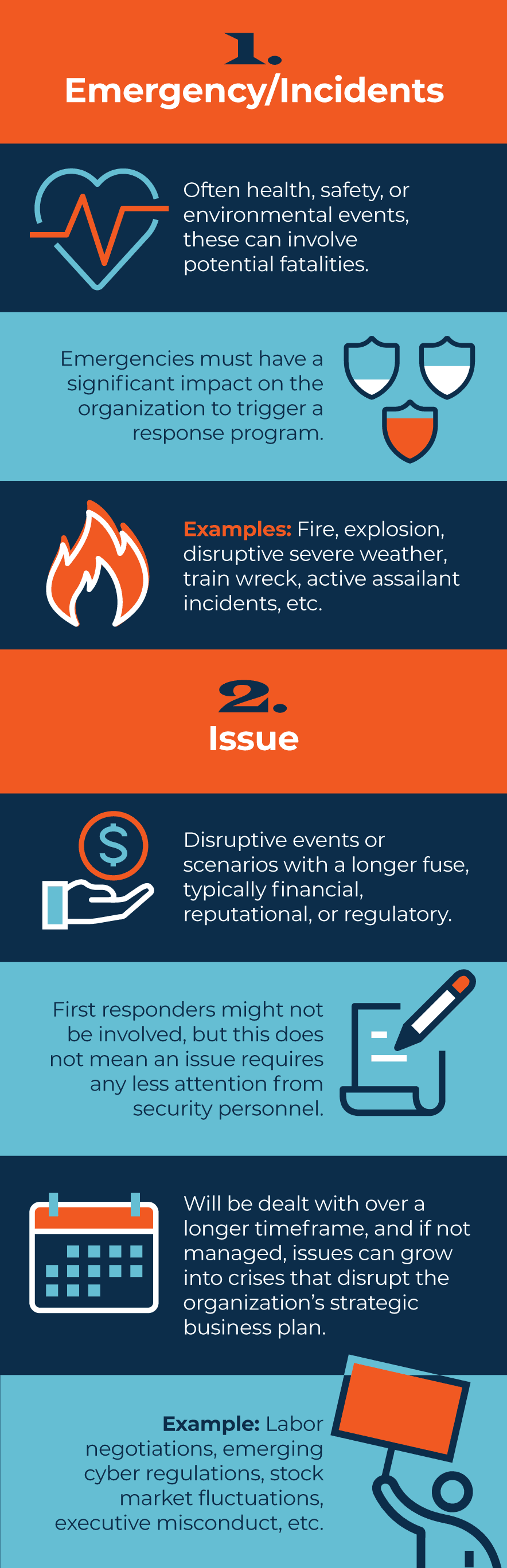
*Financial Crisis Policy Responses*
Key Insights and Further Exploration
----------------------------------
The 2008 financial crisis reveals crucial lessons:
1. **Complexity and interconnectedness**: Interactions in financial systems can generate unforeseen consequences, requiring constant vigilance and robust risk management systems.
2. **Regulation and oversight**: Inadequate regulation and risk monitoring can facilitate excessive risk-taking, emphasizing the need for stringent but dynamic regulatory frameworks.
3. **Policy responses**: Crisis management requires swift, proactive, and multifaceted approaches in conjunction with international cooperation, given the global nature of finance.
Further exploration can include analyzing:
- The 1997 Asian Financial Crisis: A seminal moment exemplifying the importance of robust macroeconomic fundamentals, exchange rate systems, and fiscal management.
- The European Debt Crisis: A case study highlighting the vulnerabilities of the Eurozone architecture, the role of fiscal profligacy, and the interactions between sovereign debt dynamics and financial systems.
- Cryptocurrencies and financial innovation: Navigating the world of decentralized finance, stablecoins, and the appropriate regulatory response for digital assets and blockchain technology.
The study of financial crises allows students to develop a nuanced understanding of the interactions and intricacies across various facets of the financial landscape, ultimately cultivating more informed and responsible stewards of the financial system.
Last updated: 2024-05-10
Related Books
Related Knowledges