# The Past Does Not Dictate the Future: Understanding the Psychology of Money
## Introduction

*Cover of 'The Psychology of Money' by Morgan Housel*
The book "The Psychology of Money" by Morgan Housel is a comprehensive exploration of the emotional, psychological, and behavioral aspects of personal finance. One of the most critical concepts presented in the book is that the past does not dictate the future, particularly in the realm of finance and investing. This idea challenges the conventional wisdom that historical returns, trends, and data can predict future market performance. Instead, Housel argues that understanding the psychological factors that drive financial decision-making is essential for long-term success.
## Past Performance and Future Expectations
In finance, it is common to use past performance as an indicator of future expectations. However, basing financial decisions solely on historical data can be misleading and even risky. The financial markets are influenced by a myriad of factors, many of which are unpredictable and cannot be captured by past data alone.
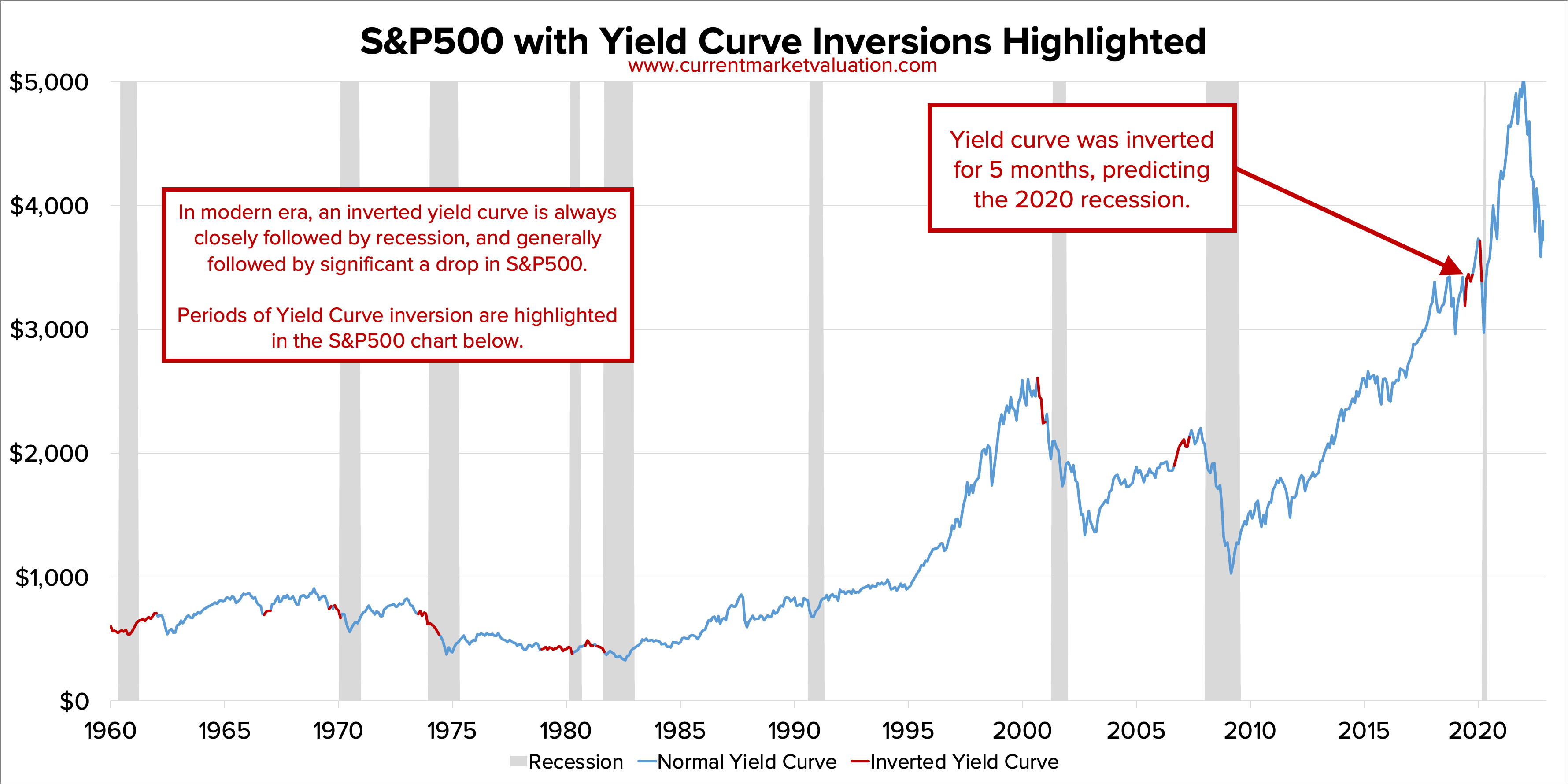
*Illustration of a financial market downturn*
For instance, the 2008 financial crisis demonstrated how even seemingly robust financial institutions could collapse under the weight of unforeseen circumstances. Despite the historical success of these institutions, they were unable to withstand the unexpected shocks that led to the crisis. This example illustrates the limitations of relying solely on past performance as a predictor of future success.
## Behavioral Biases and Emotional Decision-Making
Housel argues that behavioral biases and emotional decision-making play a significant role in financial success or failure. These biases can lead to irrational decisions, such as panic selling during market downturns or chasing after "hot" investments. By understanding and acknowledging these biases, individuals can make more informed and rational financial decisions.

*Emotional decision-making in investing*
Consider the example of an investor who has experienced significant losses during a market downturn. Although past performance suggests that the market will eventually recover, the investor may be hesitant to reinvest, fearing another loss. This emotional response, driven by a behavioral bias called loss aversion, can prevent the investor from taking advantage of future opportunities.
Another example is the confirmation bias, which refers to the tendency to seek out information that confirms our preexisting beliefs while disregarding contradictory evidence. For instance, an investor who is bullish on a particular stock may selectively focus on positive news and data about the company while ignoring negative indicators. This bias can lead to poor investment decisions and financial losses.
## Flexibility and Adaptability

*Concept of flexibility and adaptability in financial planning*
The idea that the past does not dictate the future also highlights the importance of flexibility and adaptability in financial planning. Rather than relying on a rigid financial plan based on historical data, individuals should be prepared to adjust their strategies in response to changing market conditions and personal circumstances.
For example, an individual who has planned their retirement based on a specific rate of return may need to reevaluate their strategy if the market experiences a prolonged downturn. By remaining flexible and open to alternative approaches, they can adapt their plan to ensure long-term financial stability.
## Further Exploration
To further explore the concept of the past not dictating the future, consider the following avenues:
1. Delve deeper into the psychological factors that influence financial decision-making, such as cognitive biases, emotional intelligence, and heuristics.
2. Examine the role of technology in shaping financial planning and investment strategies, including the impact of artificial intelligence, machine learning, and robo-advisors.
3. Investigate the role of government policies and regulations in influencing financial markets and individual financial behavior.
4. Analyze the ethical implications of financial decision-making, including the responsibility of financial professionals and institutions to act in the best interests of their clients.
## Conclusion
The idea that the past does not dictate the future is a powerful concept in understanding the psychology of money. By recognizing the limitations of historical data and embracing the complexity of financial decision-making, individuals can make more informed and rational choices. Through an awareness of behavioral biases, emotional decision-making, and the importance of flexibility and adaptability, individuals can build a stronger foundation for long-term financial success.
Last updated: 2024-03-19
Related Books
Related Knowledges