# Time is Our Friend: Embracing the Power of Compounding in Personal Finance
## Introduction
In *The Psychology of Money*, Morgan Housel introduces the idea that 'time is our friend' when it comes to personal finance. This concept highlights the power of compounding, patience, and long-term thinking in investing and wealth accumulation. It is, indeed, a crucial aspect of understanding personal finance and fosters a healthy relationship with money.
Time as an ally is especially relevant for college students as they embark on their financial journeys. Building a strong foundation in personal finance while young can significantly impact their financial future. The earlier one understands and embraces the power of time, the better the outcomes in the long run.
## Compounding: The Magic of Time
Compounding is a fundamental concept tied to the idea 'time is our friend.' It is the process through which interest or returns are earned not only on one's original investment but also on any interest, dividends, or capital gains that accumulate—often described as "interest on interest."
[](https://www.investopedia.com/thmb/nkwVV6fOnaOF5fY7k6lnPz2fVTY=/1500x0/filters:no_upscale%28%29:max_bytes%28150000%29:strip_icc%28%29/compounding.asp-final-11c1b77f605d4ed0a317f0cf32c73b3f.png)
*Compounding effect over time illustration*
In other words, compounding is the snowball effect of money. It takes time to pick up speed but, once it does, can lead to substantial growth. The power of compounding is illustrated by the rule of 72, which provides an estimate of how long it takes for an investment to double at a given annual rate of return. By dividing 72 by the rate of return, one can estimate the number of years it takes for the initial investment to grow twice its size.
## Patience, Persistence, and the Long Game
Patience and persistence are two essential virtues that complement the idea 'time is our friend.' Combined with the power of compounding, patience allows individuals to reap the benefits of long-term investing. It is crucial to understand that building wealth doesn't happen overnight; it is a slow and steady process that requires consistent contributions and a long-term perspective.
## Putting It Into Practice: Real-World Examples
### 1. The Power of Early Investing
[](https://i.postimg.cc/HnK3Hr3r/Capture.jpg)
*Early Investing vs. Late Investing graphical comparison*
Consider two college graduates, Anna and Ben, who both invest $5,000 per year starting at age 22. Anna invests for 10 years and then stops, while Ben continues investing $5,000 per year until age 65. Assuming a 7% average annual rate of return, by the time Ben retires, Anna's investments will have grown to around $1.12 million, even though she stopped investing 37 years earlier. This example showcases the remarkable power of compounding that comes with starting early and giving time to work its magic ([source](https://www.nerdwallet.com/blog/investing/the-math-behind-why-starting-to-invest-early-is-so-important/)).
### 2. The Impact of Emotional Decision-Making
[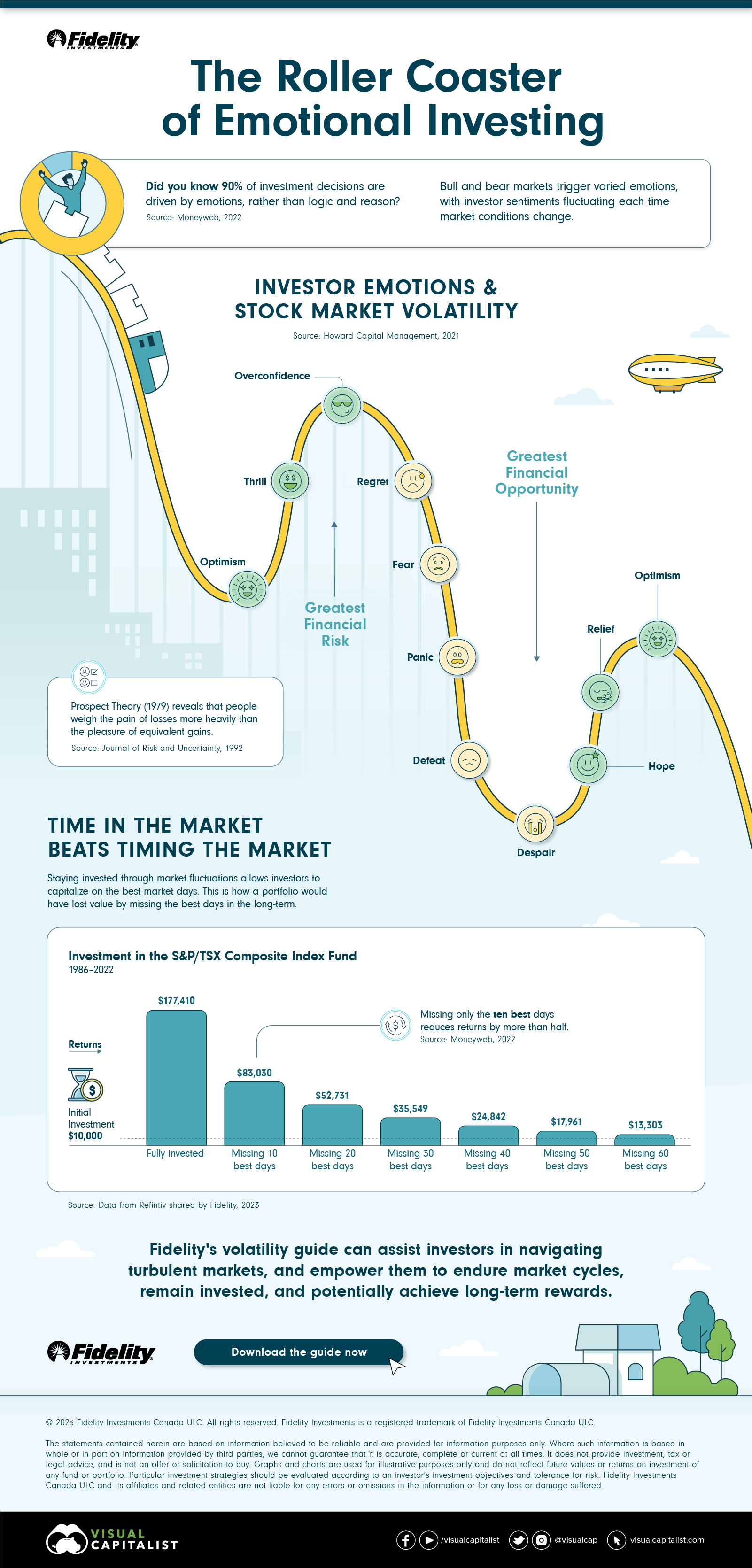](https://www.visualcapitalist.com/wp-content/uploads/2023/08/Fidelity_Volatility_Impact_The-Roller-Coaster-of-Emotional-Investing_Aug-14-1.jpg)
*Impact of emotional decision-making on investments graph*
Suppose Chris and Diana both invest $10,000 per year for 40 years, starting at age 22, with an average annual rate of return of 7%. However, Chris panics during market downturns and sells his investments, while Diana remains calm and continues investing. By age 62, Diana's investments will have grown to about $3.1 million, while Chris's portfolio will be worth only about $1.2 million, assuming he misses out on the best 12 months of market performance due to his panic selling ([source](https://www.calculator.net/investment-comparison-calculator.html)). This example highlights the importance of patience and persistence in investing and the negative consequences of giving in to short-term emotional responses.
## Conclusion
Time is indeed a powerful ally when it comes to personal finance. Embracing the ideas of compounding, patience, and persistence can significantly impact an individual's financial well-being. College students, in particular, can greatly benefit from understanding the concept of 'time is our friend' as they begin their financial journey.
By internalizing these ideas, students can develop a healthier relationship with money and make more informed decisions in the long run. As a starting point for further exploration, students can delve into topics such as index fund investing, dollar-cost averaging, and the importance of a well-diversified portfolio.
Ultimately, the idea 'time is our friend' underscores the significance of long-term thinking and patience in personal finance, inviting students to embrace the beauty of slow and steady wealth accumulation.
Last updated: 2024-04-14
Related Books
Related Knowledges