# Fear and Greed Rule Markets: An In-depth Analysis of Morgan Housel's Perspective
## Introduction
[](https://m.media-amazon.com/images/S/amzn-author-media-prod/rtoaal9u1721n93pmiqkl7s1u1.jpg)
*Morgan Housel*
In his book, *The Psychology of Money*, Morgan Housel presents a compelling argument that human emotions, specifically fear and greed, drive financial markets. Housel posits that investors are not always rational actors and instead make decisions based on their emotions, leading to irrational market behavior. In this analysis, we will explore Housel's argument and its practical implications. Furthermore, we will discuss how understanding the emotional drivers of financial markets is critical for investors and financial professionals.
## Emotions and Market Behavior
[](https://www.miraeassetmf.co.in/images/default-source/default-album/annotation-2020-08-17-171957808fe46a5302445f90090cfd980f4f9a.png)
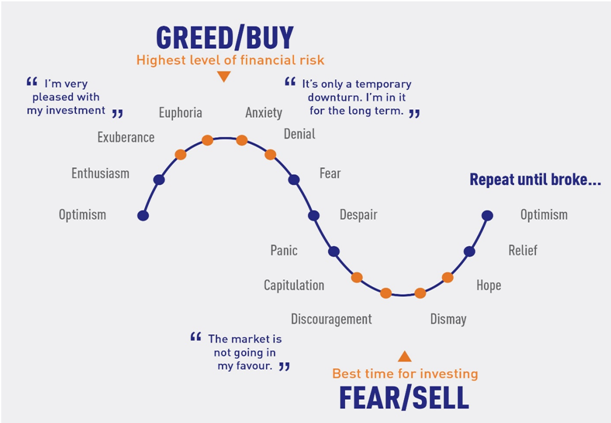
*Fear and Greed in Financial Markets*
Fear and greed are powerful emotions that can dramatically impact investors' decision-making and lead to market volatility. Housel argues that investors often act out of fear of missing out (FOMO) or greed for gains. These emotions can result in herd mentality, bubbles, and panics.
For instance, during the dot-com bubble of the late 1990s, investors were driven by greed and the belief that technology stocks would continue to appreciate. Consequently, investors piled into technology stocks, driving up their prices. Eventually, however, the bubble burst, and investors who got caught up in the frenzy lost vast sums of money.
[](https://www.investopedia.com/thmb/SzDheidju9m8xmcSAwtnWf4qfzk=/1500x0/filters:no_upscale%28%29:max_bytes%28150000%29:strip_icc%28%29/dotcom-bubble.asp-FINAL-97b80a4f3ae44b38bef25defa02127a5.png)
*Dot-com Bubble*
On the other hand, fear can cause investors to sell off assets during market downturns, exacerbating volatility. For instance, during the 2008 financial crisis, investors sold off stocks en masse due to fear of further losses. This reaction resulted in a significant drop in stock prices and exacerbated the crisis.
[](https://upload.wikimedia.org/wikipedia/en/thumb/2/21/Stock_market_crash_%282020%29.svg/1200px-Stock_market_crash_%282020%29.svg.png)
*2008 Financial Crisis*
## Practical Implications
Understanding the emotional drivers of financial markets is crucial for investors and financial professionals. By recognizing that fear and greed drive market behavior, investors can make better-informed decisions.
For instance, investors can avoid getting caught up in market frenzy or fear-driven selling. Moreover, financial professionals can help clients develop investment strategies that account for the emotional tendencies of investors. For example, a financial advisor may recommend a diversified portfolio, which may help mitigate the impact of market volatility driven by fear and greed.
## Further Exploration
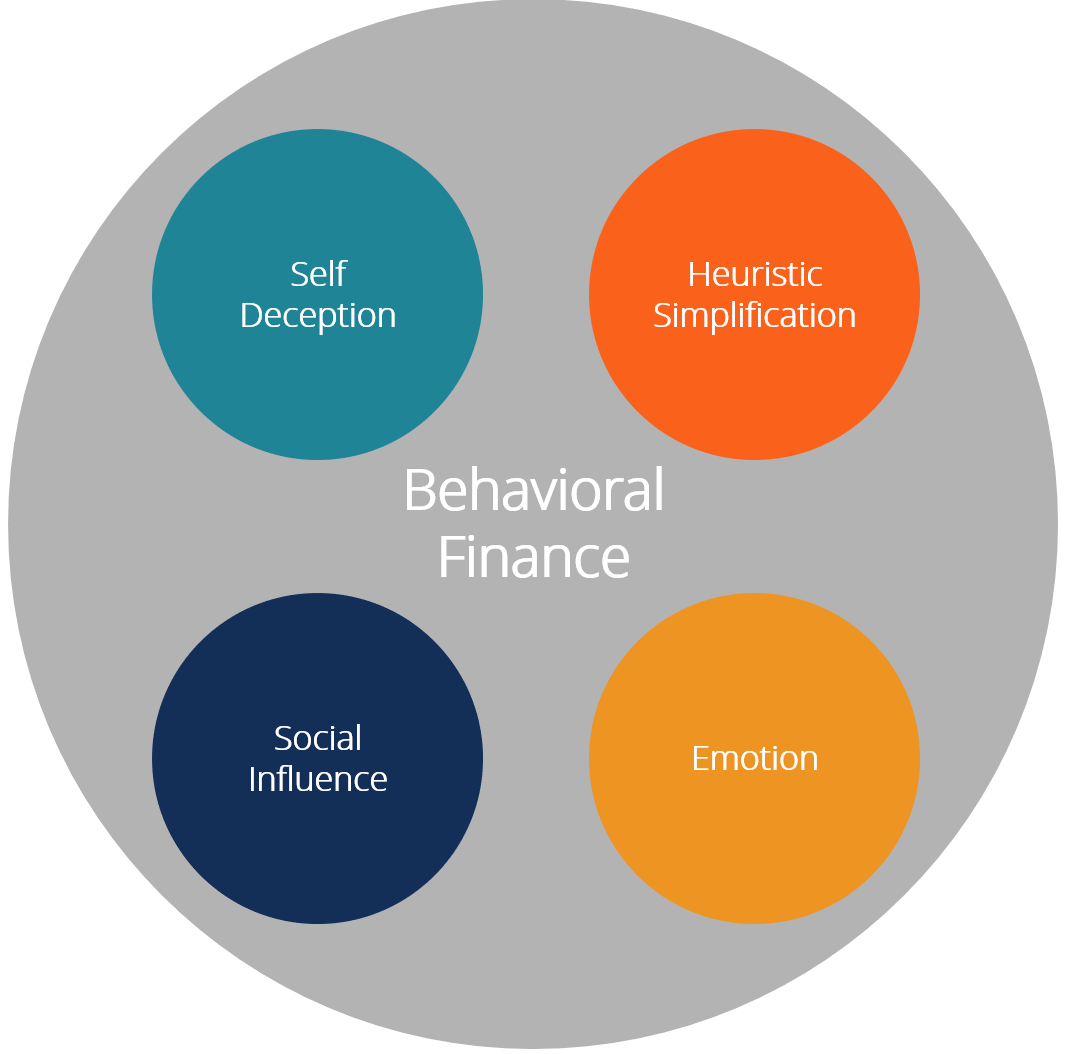
Exploring further the emotional drivers of financial markets can yield valuable insights for investors and financial professionals. For instance, behavioral finance is a field that combines insights from psychology and finance to better understand investor behavior. Additionally, studying historical market patterns and events can help investors and financial professionals recognize the signs of market frenzy or fear-driven selling.
[](https://cdn.corporatefinanceinstitute.com/assets/behavioral-finance-diagram.png)
*Behavioral Finance*
Furthermore, examining the role of technology in financial markets can shed light on the ways emotions can impact markets. For instance, social media and online forums can exacerbate market volatility by spreading fear or greed-driven narratives quickly. However, technology can also mitigate the impact of emotions on financial markets. For example, modern trading algorithms can help investors make more rational decisions by removing human emotions from the decision-making process.
## Conclusion
Understanding that fear and greed drive financial markets is crucial for investors and financial professionals. By recognizing the emotional drivers of market behavior, investors can make better-informed decisions and avoid getting caught up in market frenzy or fear-driven selling. Moreover, financial professionals can help clients develop investment strategies that account for the emotional tendencies of investors.
Furthermore, exploring the emotional drivers of financial markets can yield valuable insights for investors and financial professionals. For instance, behavioral finance and historical market patterns can provide valuable insights into investor behavior. Additionally, examining the role of technology in financial markets can help investors and financial professionals recognize the ways emotions can impact markets and mitigate their impact.
In sum, understanding the emotional drivers of financial markets is critical for investors and financial professionals. By recognizing the role of fear and greed in financial markets, investors can make better-informed decisions, and financial professionals can help clients develop effective investment strategies.
Last updated: 2024-04-11
Related Books
Related Knowledges