The Paradox of Stupidity and Brilliance: A Deep Dive into The Psychology of Money
================================================================================
Introduction
------------
"Stupidity is more common than brilliance." This statement, taken from Morgan Housel's book "The Psychology of Money," challenges our conventional understanding of success and wealth. It suggests that, while brilliance can lead to success, it is often the absence of stupidity that truly defines financial well-being.

*Morgan Housel speaking at an event*
The concept of stupidity and brilliance is deeply intertwined with the psychology of money, as it sheds light on the decision-making processes that lead to financial success or failure. By examining this idea more closely, we can gain valuable insights into our own financial behaviors and develop a healthier relationship with money.
The Paradox of Stupidity and Brilliance
----------------------------------------
The paradox of stupidity and brilliance lies in the fact that financial success often has less to do with being brilliant and more to do with avoiding critical mistakes. In other words, the absence of stupidity can be more important than the presence of brilliance.
Consider the story of two investors, Alice and Bob. Alice is incredibly intelligent and spends hours analyzing financial reports, market trends, and economic indicators. She believes that her brilliance will lead her to make consistently brilliant investment decisions. Meanwhile, Bob is of average intelligence and relies on a simple, diversified investment strategy. He avoids high-risk ventures and focuses on long-term growth.
Over time, Bob's portfolio consistently outperforms Alice's. Despite her brilliance, Alice falls prey to common cognitive biases, such as overconfidence and recency bias. She makes impulsive decisions based on short-term market fluctuations, leading to significant losses. Bob, on the other hand, avoids these pitfalls by sticking to his simple, yet effective strategy.
### Example 1: The Dot-Com Bubble
The dot-com bubble of the late 1990s provides a compelling example of the paradox of stupidity and brilliance. During this time, many investors believed that they could outsmart the market by identifying the next big tech company. They were convinced that their brilliance would lead them to make winning investments.
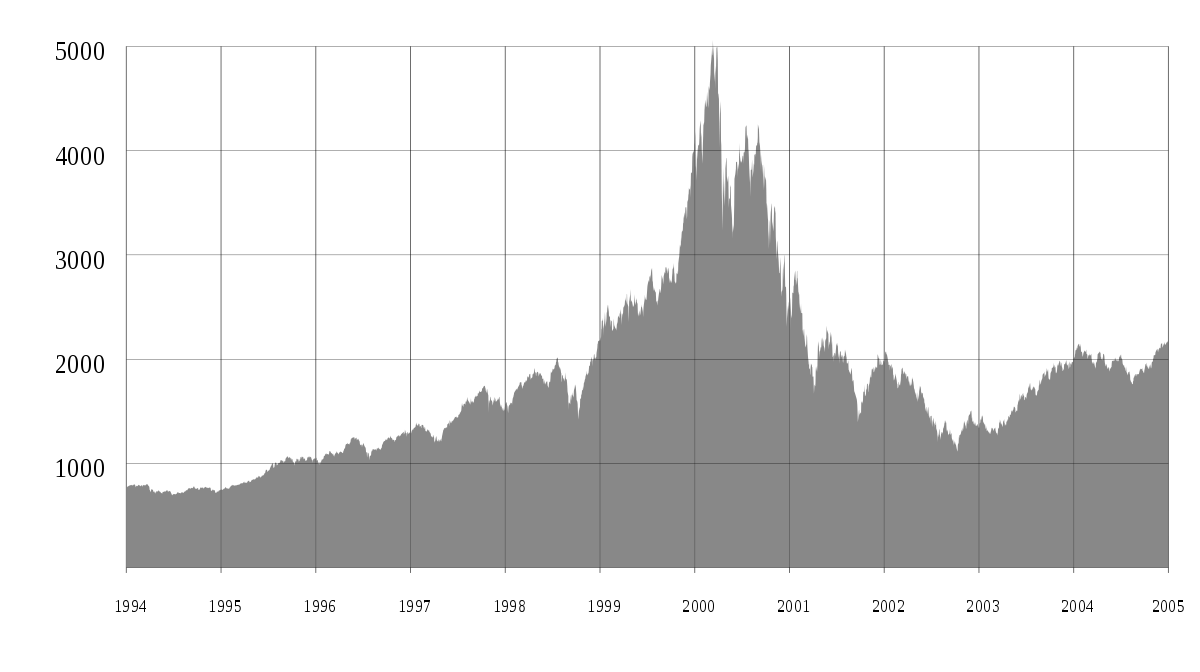
*Dot-com bubble chart*
However, those who avoided the hype and stuck to more traditional investment strategies, such as index funds, fared much better in the long run. By avoiding the temptation to chase after the latest tech trend, these investors sidestepped significant losses when the bubble eventually burst.
### Example 2: The Housing Market Crash
The 2008 housing market crash offers another illustration of the paradox of stupidity and brilliance. Many homebuyers and investors were lured into the market by the promise of easy money and soaring home values. They believed that their brilliance would allow them to time the market perfectly and reap substantial profits.

*2008 housing market crash graph*
In contrast, those who remained skeptical of the housing market's meteoric rise and avoided taking on excessive debt were better positioned to weather the ensuing financial crisis. By avoiding the allure of easy money and speculative investments, these individuals protected themselves from significant financial hardship.
Key Insights and Further Exploration
-----------------------------------
The paradox of stupidity and brilliance offers several key insights into the psychology of money:
1. **Avoiding critical mistakes is more important than chasing brilliance.** By focusing on avoiding common financial pitfalls, such as cognitive biases and impulsive decision-making, we can significantly increase our chances of long-term financial success.
2. **Simplicity can be a powerful tool in managing money.** A simple, diversified investment strategy can often lead to more consistent returns than chasing after the latest trend or high-risk investment.
3. **Overconfidence can be a significant barrier to financial success.** Recognizing our own limitations and seeking the guidance of financial professionals can help mitigate the risks associated with overconfidence.
To further explore the paradox of stupidity and brilliance, consider the following avenues for further study:
* Read more about behavioral finance and cognitive biases to better understand the psychological factors that influence financial decision-making.
* Research the concept of "financial fragility" and how it relates to the paradox of stupidity and brilliance.
* Explore the role of luck in financial success and how it interacts with the paradox of stupidity and brilliance.
Conclusion
----------
The paradox of stupidity and brilliance, as presented in Morgan Housel's "The Psychology of Money," challenges our assumptions about what leads to financial success. By focusing on avoiding critical mistakes and embracing simplicity, we can increase our chances of long-term financial well-being. As college students, understanding this concept can help us develop a healthier relationship with money and make more informed financial decisions.
Last updated: 2024-03-19
Related Books
Related Knowledges