Big Brother: The Architect of an Inevitable Surveillance Society
==============================================================
In George Orwell's dystopian novel *1984*, the omnipresent figure of 'Big Brother' embodies the ruling party's absolute control over the lives of the citizens in the nation of Oceania. The phrase 'Big Brother is watching you' is a constant reminder of the pervasive surveillance that permeates every aspect of society. This concept, although born in the realms of fiction, has become increasingly relevant in today's digital age.
[](https://study.com/cimages/videopreview/videopreview-full/edixjf9183.jpg)
*Representation of Big Brother in George Orwell's 1984*
Big Brother: Core Concepts and Relevance
--------------------------------------
At its core, Big Brother represents the ultimate manifestation of a surveillance state. It is a system where every action, word, and thought of the citizens is monitored, controlled, and manipulated by those in power. The ruling party, led by the enigmatic Big Brother, employs an intricate network of spies, telescreens, and informants to maintain its iron grip over the population.
[](https://americasquarterly.org/wp-content/uploads/2025/09/NCMAI.jpg)
*Conceptual illustration of a surveillance state*
The concept of Big Brother is particularly relevant today due to the rapid advancements in technology and the increasing reliance on digital platforms for communication, commerce, and social interaction. With the advent of data harvesting, facial recognition, and artificial intelligence, the line between voluntary data sharing and involuntary surveillance has become increasingly blurred.
Practical Implications: Examples and Applications
-------------------------------------------------
### Example 1: Social Media and Data Mining
One of the most striking parallels between the world of *1984* and our contemporary society can be seen in the realm of social media and data mining. Social media platforms, while providing a valuable means of communication and connection, have also become powerful tools for data collection.
[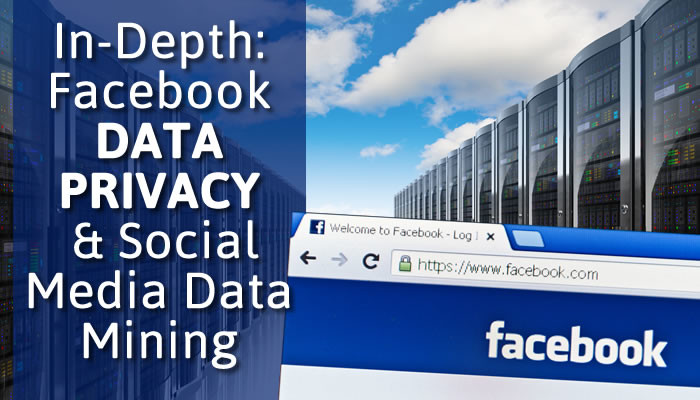](https://media.licdn.com/dms/image/v2/C4D12AQGzvqut6OMxEw/article-cover_image-shrink_600_2000/article-cover_image-shrink_600_2000/0/1527010701541?e=2147483647&v=beta&t=8hoQF5HAyBkEnXn-vboRGqHSZJ9jDpgTz_VkxhJXqBU)
*Illustration of data mining in social media*
Consider the following scenario: A popular social media platform announces a new feature that uses AI-driven algorithms to analyze users' posts, photos, and interactions to generate a detailed profile of their personality traits, preferences, and behaviors. While this information can be used to deliver personalized content and targeted advertising, it also raises serious privacy concerns.
In this scenario, the social media platform serves as a modern-day telescreen, monitoring and analyzing the users' activities to generate a detailed dossier of their lives. While users may willingly share this information in exchange for the convenience and connectivity offered by the platform, they often remain unaware of the extent to which their data is being collected, stored, and used.
### Example 2: Smart Cities and IoT
Another area where the concept of Big Brother becomes increasingly relevant is in the development of smart cities and the Internet of Things (IoT). Smart cities, designed to optimize urban living through the integration of technology and data, have the potential to revolutionize the way we live, work, and interact with our environment. However, they also introduce new challenges related to privacy and surveillance.
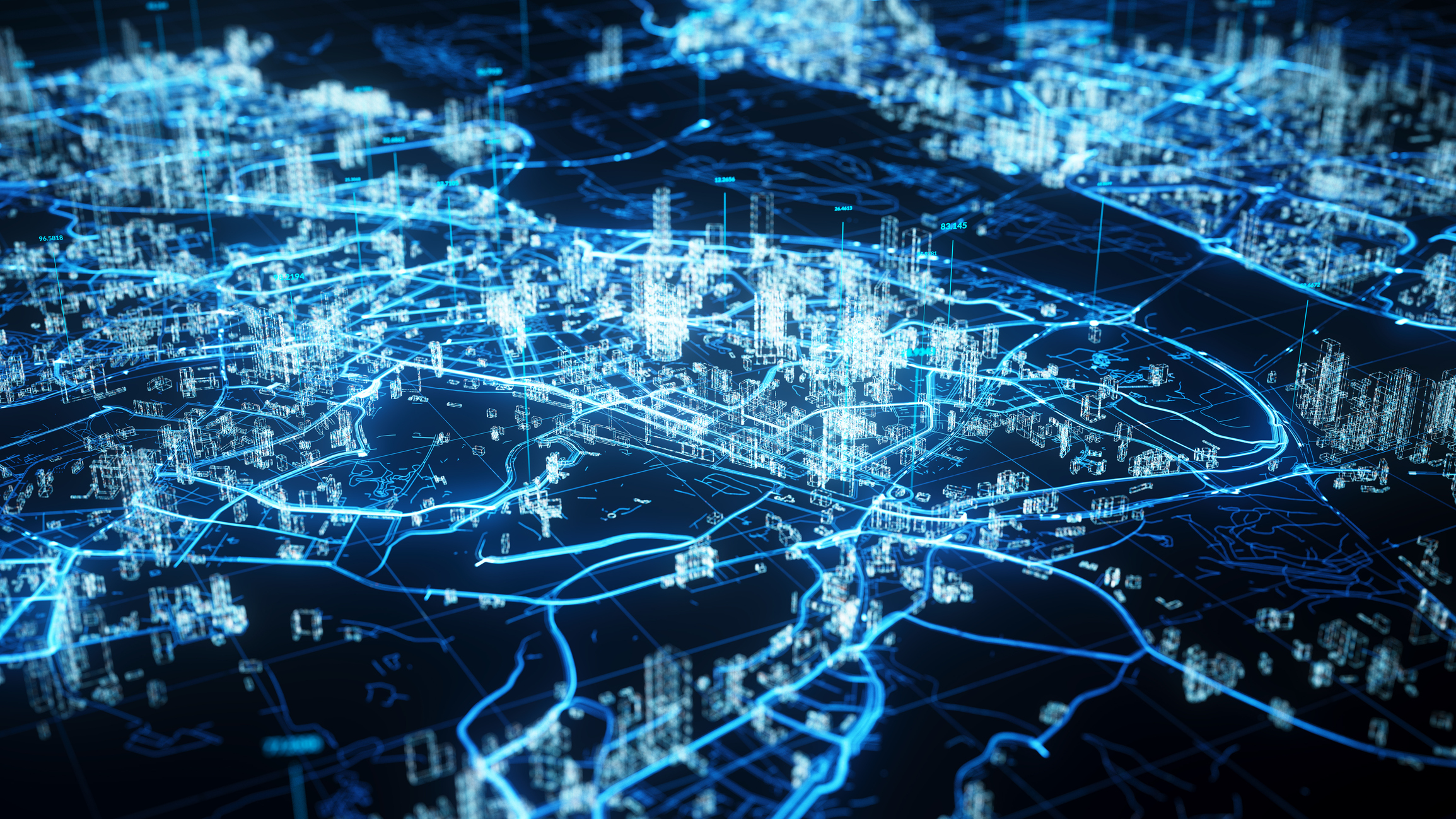
[](https://www.kaaiot.com/img/ikb/27022024-1.png)
*Example of surveillance technology in smart cities*
Imagine a city where sensors and cameras are embedded in every corner, monitoring traffic, managing energy consumption, and ensuring public safety. While these technologies can significantly improve the quality of life for city dwellers, they also create an environment where an individual's movements, behaviors, and interactions can be continuously monitored and analyzed.
In this context, the potential for misuse and abuse of surveillance technology is a genuine concern. For instance, if the data collected by these systems were to fall into the wrong hands, it could be used to manipulate or control the population, much like the citizens of Oceania in *1984*.
Key Insights and Further Exploration
------------------------------------
The concept of Big Brother, as presented in George Orwell's *1984*, serves as a powerful reminder of the potential dangers of unchecked surveillance and the importance of safeguarding individual privacy. As our society becomes increasingly reliant on digital platforms and technologies, it is crucial that we remain vigilant in protecting our rights and freedoms.
[](https://media.licdn.com/dms/image/v2/D4E0BAQEvJuFU-GEyvQ/company-logo_200_200/company-logo_200_200/0/1681563774650?e=2147483647&v=beta&t=hKHxe4ljHV-k3g7IJtAuBNehVKxur9AUhApxGN7jWTw)
*Importance of protecting digital privacy*
To further explore the topic of Big Brother and its implications, consider the following avenues for further study:
1. Analyze the role of language and propaganda in the manipulation and control of citizens in *1984*. Investigate how similar tactics are employed in today's society through the use of targeted messaging and media manipulation.
2. Examine the ethical implications of data collection and surveillance in the context of smart cities and the Internet of Things. Consider the balance between the potential benefits of these technologies and the risks they pose to individual privacy and autonomy.
3. Investigate the role of artificial intelligence and machine learning in the future of surveillance and data analysis. Discuss the potential consequences of allowing algorithms to make decisions that impact our lives and the measures that can be taken to ensure accountability and transparency.
By critically engaging with the concept of Big Brother and its relevance in today's society, we can foster a deeper understanding of the complex issues surrounding surveillance, privacy, and the role of technology in our lives. Through thoughtful analysis and open dialogue, we can work towards creating a future where the benefits of innovation are balanced with the protection of individual rights and freedoms.
Last updated: 2025-10-21
Related Books
Related Knowledges