Room 101: An In-depth Analysis of Power, Fear, and Manipulation in George Orwell's 1984
=================================================================================

*Representation of Room 101 in George Orwell's 1984*
In George Orwell's dystopian novel 1984, Room 101 stands as a chilling symbol of the totalitarian regime's power and control over its citizens. The room is a place where the Party's agents, the Thought Police, bring individuals to face their worst fears and nightmares, effectively brainwashing them into complete submission and loyalty. This essay will delve into the core concepts of Room 101, its relevance in understanding the broader themes of the novel, and its implications for understanding power dynamics in society.
Core Concepts and Relevance
---------------------------
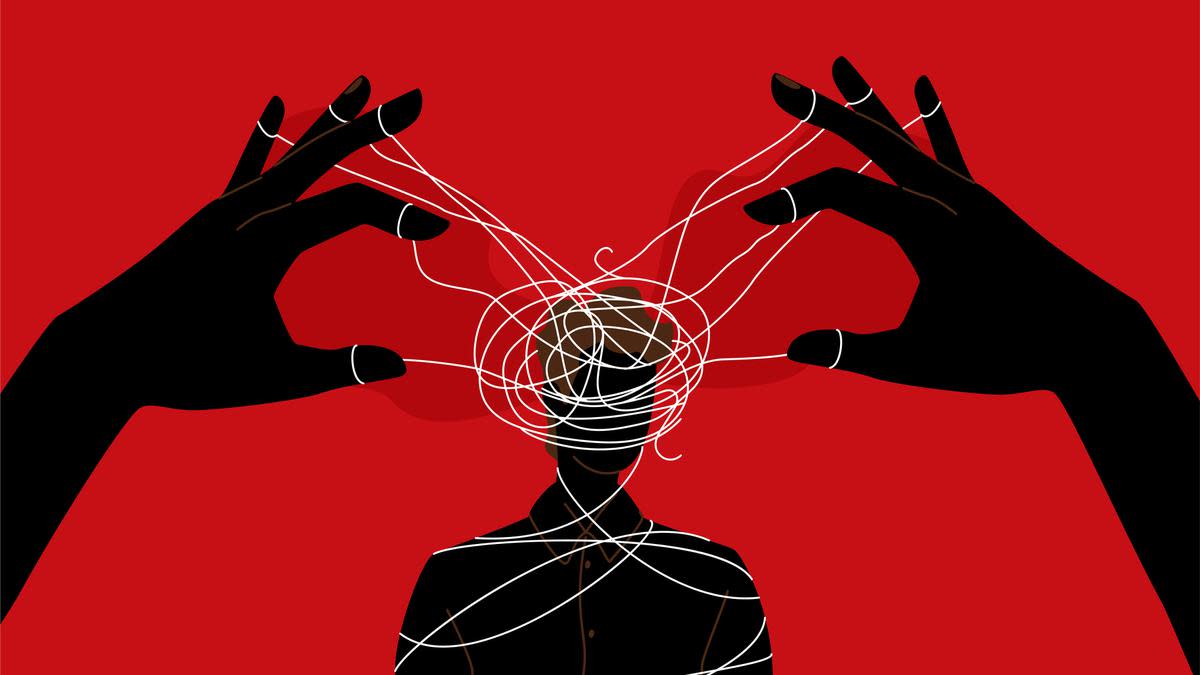
*Symbolism of control and manipulation in totalitarian regimes*
At its core, Room 101 represents the ultimate manifestation of the Party's control over the human psyche. By forcing individuals to confront their deepest fears, the Party can manipulate and reshape their subjects' beliefs, values, and behaviors. This process of psychological manipulation is a crucial aspect of the Party's hold on power, as it ensures that citizens are too terrified to question or resist the regime.
The relevance of Room 101 extends beyond the confines of Orwell's fictional world. The concept of a totalitarian regime using fear and manipulation to control its citizens remains a pertinent issue in contemporary society. Understanding Room 101's role in 1984 can shed light on the ways in which power dynamics operate in real-world contexts, enabling us to recognize and challenge similar tactics of control.
Examples and Applications
------------------------

*Example of political brainwashing in North Korea*
### Political Brainwashing in North Korea
One example of Room 101's real-world implications can be seen in the political brainwashing tactics employed by the North Korean regime. Similar to the Party in 1984, the North Korean government uses fear and manipulation to maintain control over its citizens. Through intense propaganda campaigns and surveillance, the regime instills a deep-seated fear of punishment for any form of dissent.
Moreover, the government has been known to kidnap and detain individuals who have either criticized the regime or have been perceived as threats. These detainees are often subjected to brutal interrogations, torture, and brainwashing techniques designed to force them to confess to imagined crimes and to pledge loyalty to the regime. This process of psychological manipulation mirrors the terrifying ordeal that Room 101 represents in 1984.
### The Use of Torture in Guantánamo Bay
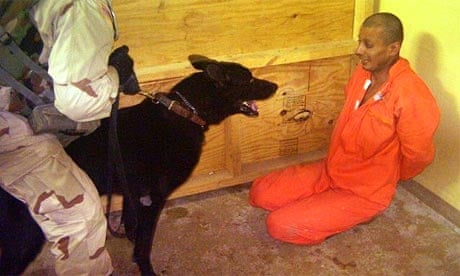
*Interrogation techniques in Guantánamo Bay*
Another example of Room 101's real-world implications can be seen in the use of torture and psychological manipulation in detention facilities such as Guantánamo Bay. While the United States government has denied using torture as a matter of policy, numerous reports and testimonies from former detainees have detailed the use of brutal interrogation techniques, including sleep deprivation, stress positions, and sensory deprivation.
These tactics, designed to break down detainees' psychological resistance, bear a striking resemblance to the methods employed in Room 101. By subjecting detainees to extreme fear and psychological distress, the government seeks to extract information, force confessions, and instill a deep sense of loyalty. This raises ethical questions about the use of such tactics and their implications for understanding the dynamics of power and control.
Key Insights and Further Exploration
-----------------------------------
By examining Room 101 in the context of 1984, we can gain valuable insights into the ways in which power and control operate in both fictional and real-world contexts. The room serves as a potent symbol of the dangers of totalitarianism, illustrating the devastating consequences of unchecked power and the importance of resisting manipulation and control.
To further explore the topic of Room 101 and its implications, students might consider the following questions and avenues for research:
1. How do other dystopian narratives (e.g., Brave New World, The Handmaid's Tale) depict similar tactics of control and manipulation?
2. What are the psychological effects of prolonged exposure to fear and manipulation, as seen in the experiences of Room 101 detainees?
3. How can individuals and societies protect themselves from the tactics of control employed in Room 101?
4. What are the ethical implications of using fear and manipulation as tools of control, and how can these tactics be challenged and resisted?
By engaging with these questions and exploring the concept of Room 101 in greater depth, students can develop a more nuanced understanding of the dynamics of power and control, as well as the importance of resisting manipulation and oppression.
Last updated: 2024-03-19
Related Books

Related Knowledges